

It’s common to feel your permanent makeup has faded or even vanished over time. What you’re noticing is often part of the natural settling process, influenced by factors like skin undertones, sun exposure, and skincare routines. Understanding why permanent makeup fading happens helps you know when a gentle refresh or colour adjustment might be the right next step for you.
Common Reasons for Makeup Fading
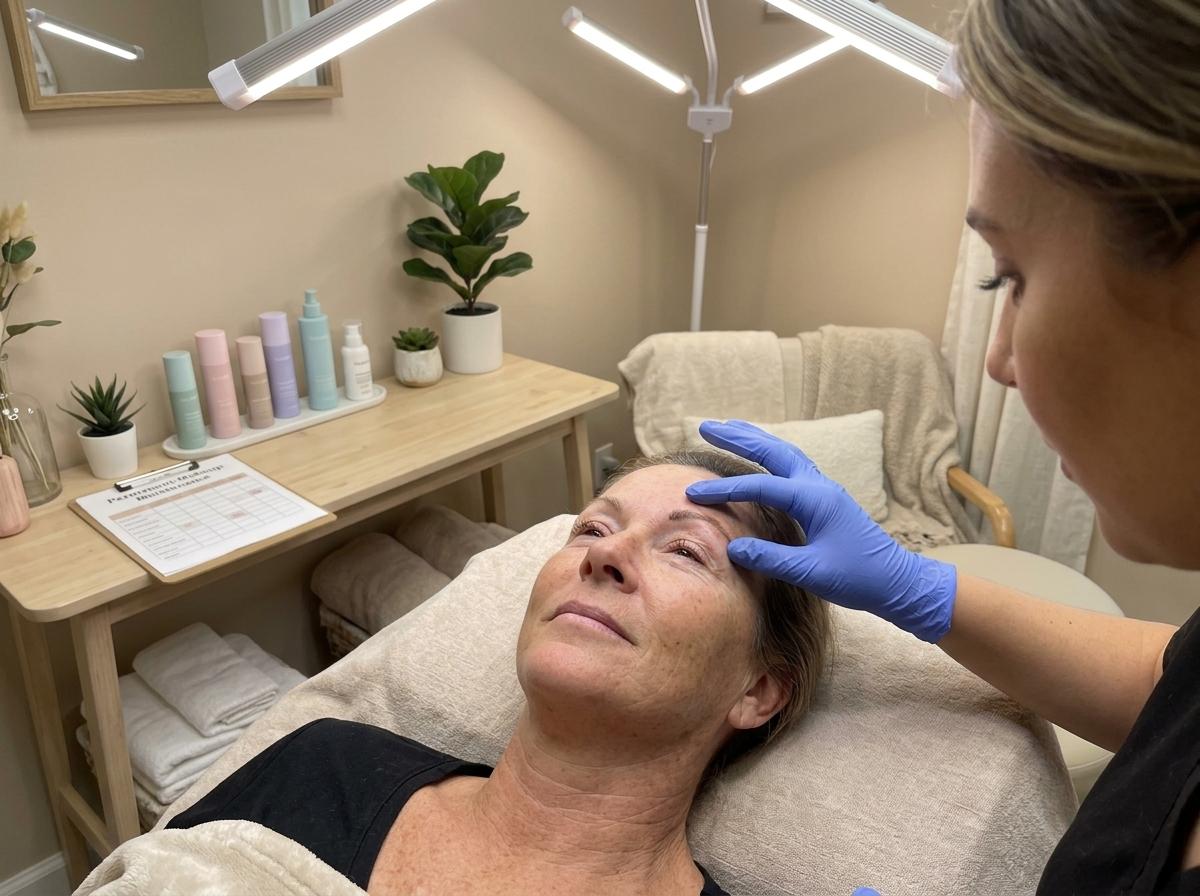
Understanding why your makeup seems to fade is the first step in maintaining its vibrancy. Let’s explore the three main reasons this happens.
Natural Healing Process
After your initial procedure, the healing process begins. The skin takes time to recover, and during this phase, your makeup may appear lighter. As your skin heals, it forms a protective layer over the pigment, causing a temporary fade. This is a natural part of the recovery phase, and patience is key. Your makeup will gradually settle into its intended hue as your skin completes healing.
Pigment Settling Under Skin
The pigment used in permanent makeup settles into the skin over time. This settling process can cause the appearance of fading, but it’s a normal occurrence. As the pigment integrates with your skin, some colour may initially seem lost. This is not a permanent change. The pigment will often reappear more prominently once it fully settles into place, and your skin adjusts.
Sun Exposure and Skincare
Exposure to the sun and certain skincare products can affect the longevity of your makeup. UV rays can break down pigment, causing it to fade faster. Using products with ingredients like retinoids or chemical exfoliants can also impact the colour. To preserve your makeup, it’s important to use sun protection and choose skincare products that are gentle on your treated areas.
Understanding Maintenance and Colour Shifts
To keep your makeup looking fresh, it’s crucial to understand how maintenance and colour shifts play a role.
Microblading vs Powder Brows
Different techniques can affect how your makeup fades. Microblading involves creating hair-like strokes that can fade more quickly than the shaded effect of powder brows. Powder brows often have a softer, more filled-in appearance that can last longer between touch-ups. Knowing which method was used can help set realistic expectations for maintenance.
Skin Undertones and Pigment Changes
Your skin’s undertones can influence how pigments appear. Over time, pigments may shift in colour due to your natural undertones interacting with the ink. This might make brows look warmer or cooler than initially intended. Understanding your skin tone helps in choosing the right pigments and anticipating how they may change.
Importance of Timely Colour Boosts
Regular colour boosts are essential in maintaining your desired look. These sessions help refresh the colour and can correct any shifts in tone. Scheduling timely touch-ups ensures your makeup remains vibrant and aligns with your aesthetic goals. Don’t wait too long to book your session, as regular maintenance maximises the lasting effect of your makeup.
Next Steps for Restoring Vibrancy
If your makeup seems faded, knowing the next steps can help restore its vibrancy.
Assessing Your Permanent Makeup
Start by evaluating the current state of your makeup. Look in natural light to see if there are significant changes in colour or definition. This assessment can guide you in deciding whether a touch-up or adjustment is necessary. Sometimes, what seems like fading is just a minor shift that can be easily corrected.
Refresh or Colour Adjustment Options
Depending on your assessment, you might consider a refresh or colour adjustment. A refresh involves enhancing the existing pigment, while a colour adjustment focuses on correcting any undesired tone changes. Discussing these options with your technician can help you choose the best path to achieve your desired look.
Protective Aftercare Tips
To protect your makeup and extend its life, follow aftercare advice diligently. This includes avoiding excessive sun exposure, using gentle skincare products, and keeping the area moisturised. These simple steps can significantly impact the longevity and appearance of your permanent makeup.
Frequently Asked Questions
Why does permanent makeup fade over time?
Permanent makeup can fade due to the natural healing process, pigment settling, and external factors like sun exposure. These elements contribute to the gradual change in colour intensity.
How often should I get a colour boost for my permanent makeup?
It’s generally recommended to have a colour boost every 12 to 18 months. This helps maintain vibrancy and correct any changes in tone due to skin undertones or fading.
Can I prevent my permanent makeup from fading too quickly?
Yes, you can protect your permanent makeup by using sunscreen, avoiding harsh skincare products, and following aftercare instructions. These practices help preserve the colour and extend its lifespan.
What is the difference between microblading and powder brows?
Microblading creates hair-like strokes and can fade more quickly, while powder brows provide a shaded, filled-in look that tends to last longer. The choice depends on the desired aesthetic and maintenance preferences.
How do I know if I need a refresh or colour adjustment?
Evaluate the current state of your makeup in natural light. If the colour has shifted or faded significantly, consult your technician to determine whether a refresh or colour adjustment is needed.