

You may feel stuck with a tattoo that no longer feels like part of you. The choice isn’t just about removal—it’s about deciding whether to keep, alter, cover, fade, or remove that ink. Understanding your tattoo regret options can help you find a path that suits your skin, style, and story with honesty and care. Let’s explore what each step involves so you can move forward with confidence. https://www.merriam-webster.com/dictionary/i
Understanding Tattoo Regret Options
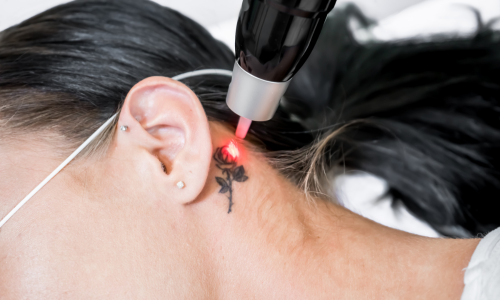
Choosing what to do with a tattoo you no longer love is a personal journey. Whether you keep it, alter it, or remove it, each choice carries its own set of considerations. Let’s explore these options to find what feels right for you.
Keep or Remove a Tattoo
Sometimes, a tattoo might seem less appealing with time, yet it holds memories worth preserving. Keeping it can be a reminder of past experiences or personal milestones. If removal feels necessary, it’s important to understand what the process entails. Tattoo removal isn’t instant. Usually, it involves multiple sessions to fade the ink effectively. The process can be uncomfortable, similar to a rubber band snapping against your skin. It’s crucial to consult with a qualified professional for a realistic outlook on what to expect.
Alter a Tattoo UK
Altering a tattoo is a creative way to breathe new life into old ink. Whether it’s adding new elements or changing the design, alteration allows for personalisation without complete removal. In the UK, many skilled artists specialise in transforming tattoos into something fresh and meaningful. This can be a more cost-effective and less painful alternative to removal. Consider consulting with a trusted artist to explore how your existing tattoo can evolve into a design you’ll love.
Exploring Tattoo Alteration
Altering a tattoo doesn’t only mean changing its design. It also includes covering it up entirely or fading it for a better cover-up. Both options offer unique pathways to alter your tattoo’s story.
Tattoo Cover-Up vs Removal
Cover-ups are a popular choice for those who want to conceal an old tattoo with a new design. This approach allows for creativity and can result in a tattoo that truly reflects your current style. On the other hand, removal is ideal if you want to erase the tattoo entirely. It’s important to weigh these options carefully. Cover-ups are generally quicker and less expensive but may require a larger design to effectively mask the old tattoo.
Fade Tattoo for Cover-Up
Fading a tattoo before a cover-up can greatly improve the outcome. By lightening the original design, you create a cleaner canvas for new artwork. Laser treatments are commonly used to achieve this fading. It’s a process that takes time, so patience is key. Fading ensures the new design stands out without the old one showing through. Discuss with your tattoo artist how fading can enhance your cover-up.
The Path to Tattoo Removal
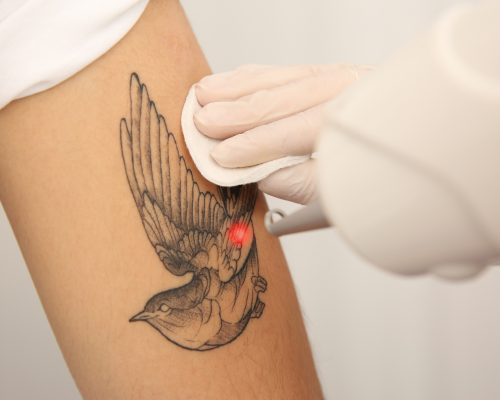
If you choose to remove your tattoo, understanding the removal process is essential. Let’s look at how laser treatments work and what makes removal safe in the UK.
Laser Tattoo Fading
Laser tattoo fading is a method that uses light to break down ink particles in the skin. Your body’s immune system then naturally eliminates these fragments over time. It’s a gradual process requiring multiple sessions. Different ink colours absorb different wavelengths, so removal success can vary. Blacks and blues are usually easier to fade, while greens and reds can be more stubborn. Always seek a consultation with a certified professional to discuss your specific needs.
Safe Tattoo Removal UK
In the UK, ensuring your tattoo removal is safe involves choosing a reputable clinic with experienced practitioners. Look for clinics that offer comprehensive consultations, explaining the risks and expected outcomes clearly. Safety should be your top priority, as improper removal techniques can lead to scarring or infection. Trust in providers who prioritise your wellbeing and use advanced technology for the best possible results.
Frequently Asked Questions
What is the best way to remove an unwanted tattoo?
The best way involves consulting with a certified professional to discuss laser removal options. Laser treatments are effective but require multiple sessions and professional handling to minimise risks.
Can all tattoos be covered up?
Most tattoos can be covered up, but it depends on the size, colour, and placement of the existing tattoo. Consulting with an experienced tattoo artist will provide the best advice for your specific design.
How much does tattoo removal cost in the UK?
Costs vary based on the size and complexity of the tattoo, as well as the number of sessions needed. It’s important to get a detailed quote from your chosen clinic to understand the full scope of the expense.
Is tattoo fading painful?
The sensation is often compared to a rubber band snapping against the skin. Pain levels vary depending on personal tolerance and the tattoo’s location. Clinics often offer numbing options to ease discomfort.
How long does it take for a tattoo to fade with laser treatment?
Fading takes multiple sessions, often spaced weeks apart. Complete removal can take several months to years, depending on the tattoo’s size and colours. Patience and adherence to aftercare advice are important during this process.