
Laser tattoo removal is often misunderstood as a quick process, but the truth lies beneath the surface. The laser breaks down tattoo ink into tiny fragments, which your body then needs weeks to clear safely. Rushing treatments can disrupt this delicate balance, slowing progress and risking skin health. Understanding how laser tattoo removal works helps you appreciate why waiting around eight weeks between sessions leads to better, natural-looking fading over time. For more information, visit this link.
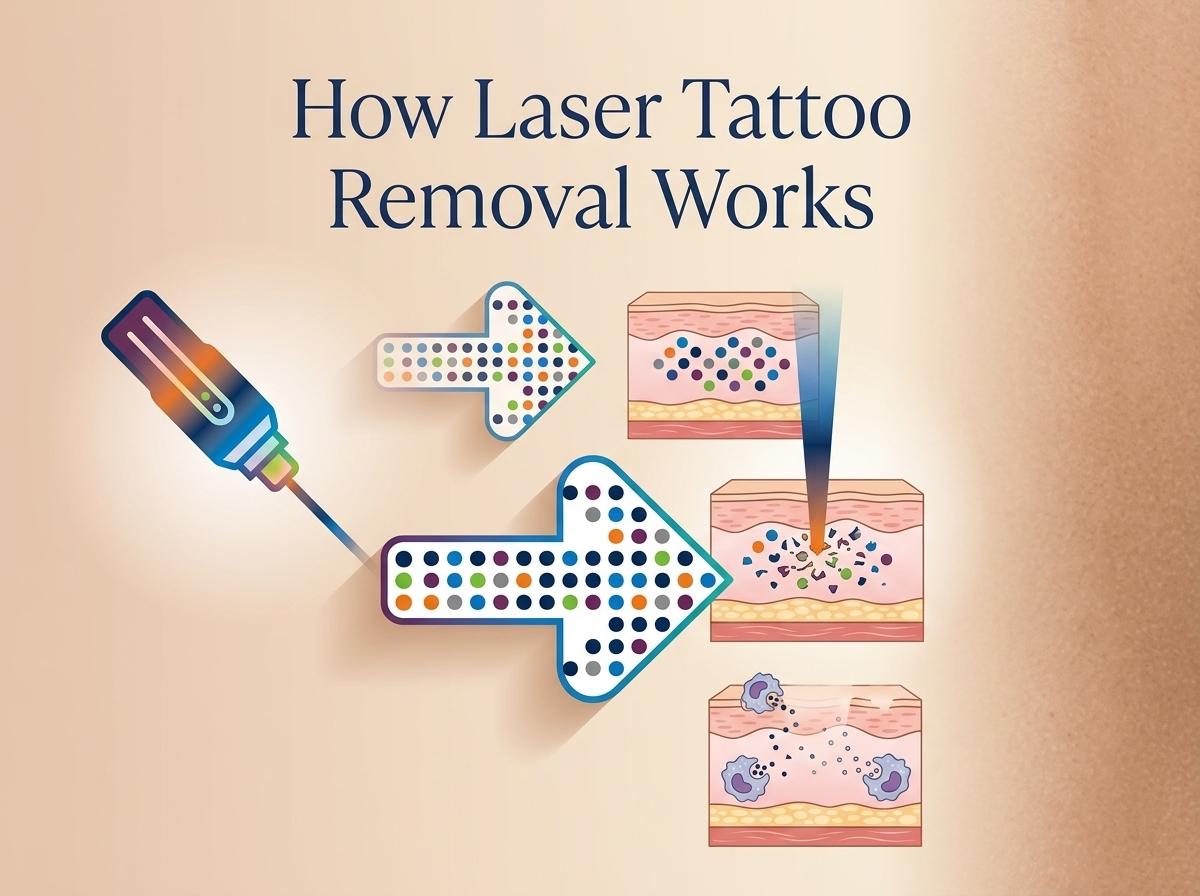
How Laser Tattoo Removal Works
Understanding laser tattoo removal starts with knowing how laser light interacts with tattoo ink. This knowledge is crucial for a safe and effective removal process.
Laser Light and Tattoo Ink
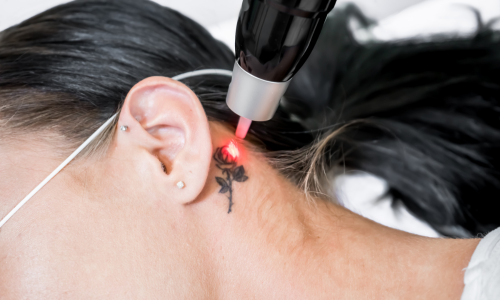
Laser tattoo removal works by using light energy to target ink particles. The laser emits short pulses of light that are absorbed by the tattoo ink, causing the ink to heat up and break apart. Different laser wavelengths are used to target different ink colors. For instance, a specific wavelength might be more effective for black ink, while another is needed for colours like green or red.
The goal is to shatter the ink particles into smaller fragments without harming the surrounding skin. This requires precision and expertise in selecting the right laser setting. It’s not just about the machine; understanding skin types and ink colours is vital too.
Tattoo Ink Fragmentation Process
Once the laser light hits the tattoo, it breaks the ink aggregates into tiny particles. This fragmentation process is key to the removal, as smaller particles are easier for the body to eliminate. The laser’s energy is absorbed by the ink, causing it to fragment into microscopic pieces. This process involves multiple passes with the laser, each targeting different layers of ink.
The success of this fragmentation depends on several factors, including the type of ink, its color, and how deep it is in the skin. The more fragmented the ink, the more accessible it is for the body’s natural processes to clear.
Immediate Skin Reactions
After a laser session, it’s normal for your skin to react. Common reactions include redness, swelling, and a sensation similar to a mild sunburn. These are temporary and usually subside within a few days. The skin’s initial response is a sign that the laser has effectively targeted the ink.
To help your skin recover, it’s important to follow aftercare instructions, which may include applying a soothing ointment and avoiding sun exposure. Proper care supports healing and improves the overall results of the removal process.
The Body’s Role in Ink Clearance
Once the laser has fragmented the ink, your body takes over to clear it away. This is where your immune system plays a crucial role in the removal process.
Macrophages and Tattoo Ink
Macrophages are white blood cells that help remove foreign particles from the body. After the ink is broken down, these cells engulf the tiny fragments and transport them to the lymph nodes. This is a natural process and part of how your body clears out debris.
The efficiency of macrophages can vary from person to person. Factors like immune health and lifestyle can influence how quickly the ink is cleared. Supporting your immune system by staying hydrated and maintaining a healthy lifestyle can aid this natural process.
Lymphatic System Tattoo Removal
The lymphatic system acts as a highway for clearing tattoo ink. Once macrophages have captured the ink particles, the lymphatic system carries them away from the tattooed area. This system is integral to detoxifying the body and removing unwanted materials.
Understanding this process highlights why laser tattoo removal isn’t instant. The body needs time to gradually clear the ink fragments, which is why patience and proper spacing between sessions are essential for optimal results.
Why Wait Between Sessions?
Spacing out tattoo removal sessions is crucial. It allows your skin and body the time needed to recover and clear ink effectively.
Safe Tattoo Removal Timelines
Waiting between sessions ensures that your skin heals properly and reduces the risk of adverse reactions. Typically, a wait of around eight weeks is recommended. This timeframe allows the body to clear as much ink as possible before the next session, enhancing the overall removal process.
Rushing the process by scheduling sessions too close together can lead to skin damage and less effective removal, as the body needs sufficient time to clear the fragmented ink.
Tattoo Removal Healing Time
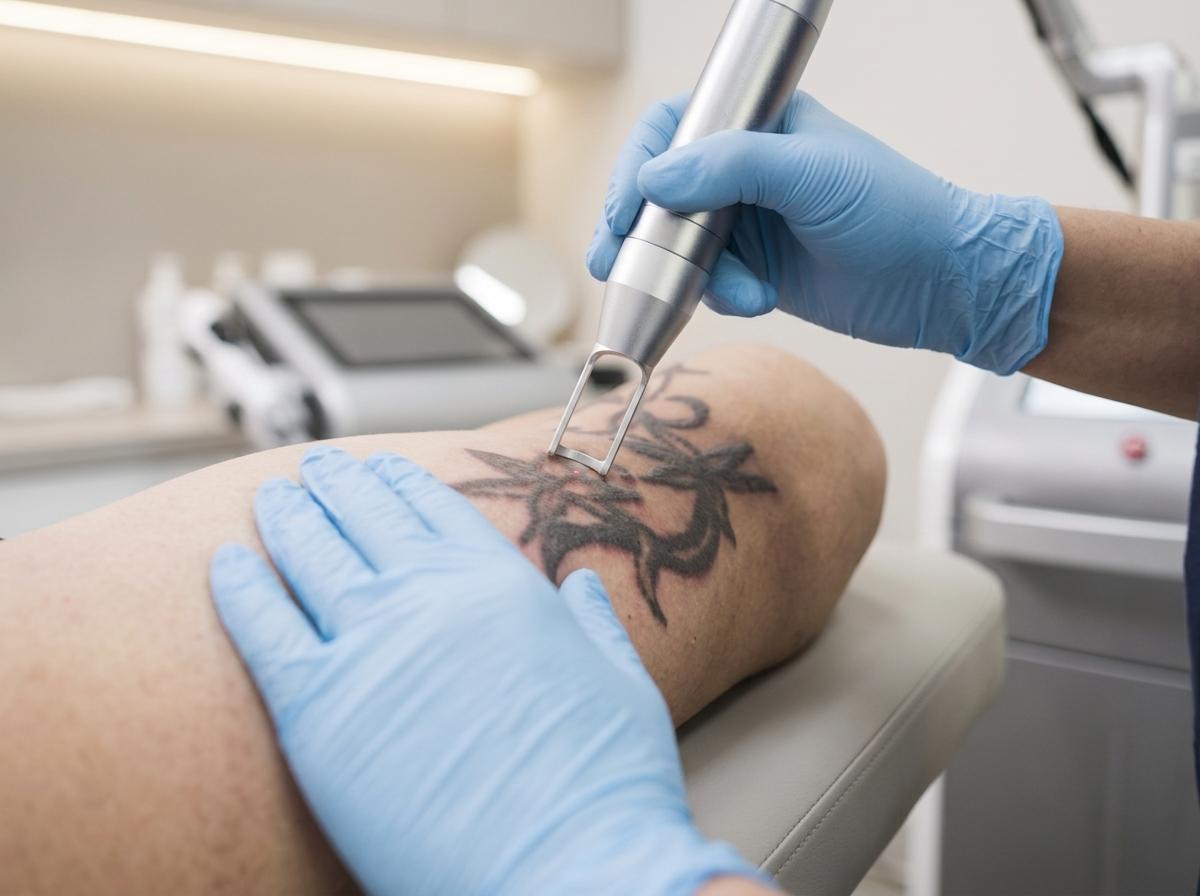
Healing time is vital for protecting your skin. Each session causes a controlled injury to the skin, which needs time to heal before being treated again. Proper healing reduces the risk of scarring and ensures that each session is as effective as possible.
Following aftercare instructions is key during this period. Keeping the skin moisturised and protected from the sun helps in achieving the best results.
When Longer Gaps Make Sense
In some cases, longer gaps between sessions may be beneficial. Factors such as skin type, ink depth, and color can influence the ideal timing for sessions. Some individuals may find that their skin responds better with more extended intervals, allowing for more complete healing and ink clearance.
Ultimately, working with a professional who understands your unique situation can help determine the best timing for your sessions, ensuring safe and effective results.
Frequently Asked Questions
How does laser tattoo removal work?
Laser tattoo removal uses light energy to break down tattoo ink into tiny particles. These particles are then cleared by the body’s immune system over time.
Where does tattoo ink go after laser treatment?
After laser treatment, the ink is fragmented into small particles, which are then absorbed by macrophages and transported through the lymphatic system for clearance.
Why wait 8 weeks between tattoo removal sessions?
Waiting 8 weeks between sessions allows the body time to clear ink fragments and the skin to heal properly, ensuring better and safer removal outcomes.
What happens immediately after a laser tattoo removal session?
After a session, the skin may be red and swollen, similar to a mild sunburn. These reactions are temporary and indicate that the laser has effectively targeted the ink.
Can longer gaps between laser sessions be beneficial?
Yes, longer gaps can be beneficial for some individuals, allowing more time for skin healing and ink clearance, depending on factors like skin type and ink depth.