
Medical tattooing and cosmetic permanent makeup often get mixed up, but they serve very different purposes—even when the same machine is used. When you’re dealing with scarred or surgically altered skin, like in areola reconstruction or scar camouflage, it calls for a deep understanding of how skin heals and changes over time. Knowing when to work on scar maturity, how to match colours naturally, and applying specialist training makes all the difference. In this article, you’ll learn why medical tattooing isn’t just permanent makeup by another name—and why your safety and realistic expectations come first.
Understanding Medical Tattooing
Medical tattooing requires a deep dive into the art and science of using pigments to restore confidence in individuals. It’s more than just a cosmetic procedure; it involves addressing specific medical needs.
What is Medical Tattooing?
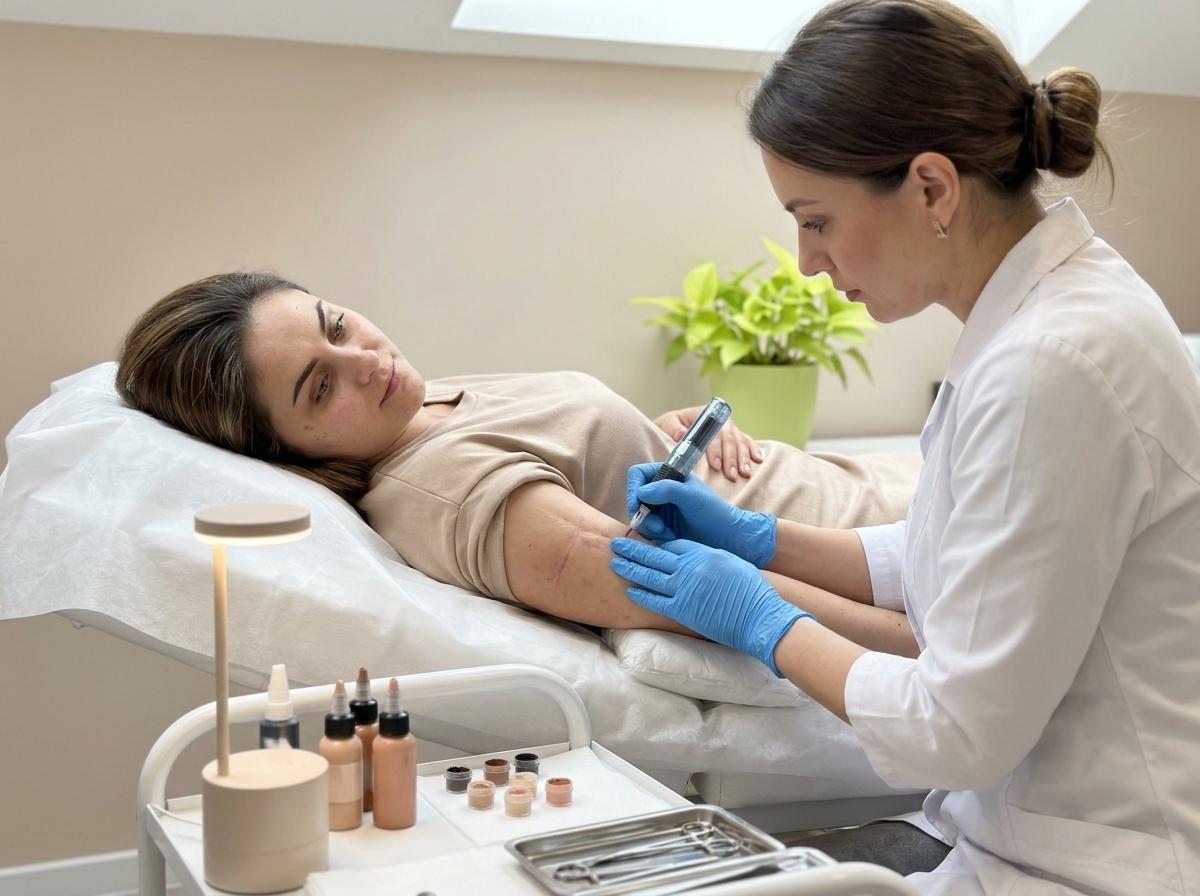
Medical tattooing, also known as paramedical tattooing, is a technique used to improve the appearance of scars, recreate areolas, and more. It involves depositing pigment into the skin to achieve natural and lasting results. This process can help individuals who have undergone surgeries or have medical conditions that affect their skin’s appearance. It’s a transformative experience that offers more than just aesthetic benefits; it brings confidence and comfort to those seeking to feel more like themselves again.
Medical Tattooing vs Permanent Makeup
While both use similar tools, the purpose and application differ significantly. Permanent makeup typically focuses on enhancing facial features like eyebrows, eyeliner, and lips. Medical tattooing, however, is about recovery and restoration. It caters to those with medical needs, requiring a deeper understanding of skin texture, colour changes, and healing processes. The expertise needed in medical tattooing goes beyond aesthetics, ensuring that the outcomes are both natural and medically appropriate.
The Role of Specialist Training
Specialist training is crucial in medical tattooing. Professionals need to understand how to work with delicate, often compromised skin. This training ensures they can assess when it’s safe to tattoo on scarred tissue and how to match pigments accurately. It’s not just about skill with a needle but knowing the science behind skin healing and pigment retention. This knowledge safeguards clients, ensuring their safety and the success of the tattoo.
Working with Scarred Tissue
When working with scarred tissue, timing and technique are everything. Understanding how scars heal is vital to achieving the desired results.
Scar Maturity for Tattooing
Before tattooing scarred tissue, it’s essential to evaluate scar maturity. Scars change over time; they can lighten, flatten, and become less sensitive. Tattooing on immature scars can lead to less than ideal results and could even cause further skin damage. Typically, waiting at least a year after the scar forms is recommended. This patience ensures that the skin has healed properly and can hold the pigment well.
Colour Matching for Scars
Matching colours for scar camouflage is a highly specialised skill. Scars often have a different hue from the surrounding skin, making it challenging to blend seamlessly. A medical tattoo artist must be adept at mixing pigments to achieve a natural look. This process involves understanding the undertones of the client’s skin and adjusting the pigments accordingly. The goal is to make the tattoo indistinguishable from the natural skin tone, providing a seamless and natural appearance.
Setting Realistic Expectations
Setting realistic expectations is a cornerstone of medical tattooing. Clients need to understand that while tattoos can significantly improve the appearance of scars, they may not make them completely invisible. The process involves multiple sessions and careful monitoring of healing, which can take time. Clear communication about what can be achieved helps build trust and ensures clients are satisfied with their results.
Areola Reconstruction and Scar Camouflage
Areola reconstruction and scar camouflage are life-changing for many, offering both aesthetic and emotional benefits.
Areola Tattooing After Breast Surgery
After breast surgery, reconstructing the areola can be a crucial step in feeling whole again. Areola tattooing involves creating a realistic 3D appearance that matches natural skin tones. This process is about more than just appearance; it’s about restoring confidence and helping individuals embrace their bodies post-surgery. The artistry involved requires precision and a keen eye for detail, ensuring the result is as natural as possible.
Specialist Techniques in Scar Camouflage
Scar camouflage requires unique techniques that differ from traditional tattooing. The artist must be able to adapt to the skin’s unique texture and colour variations. Techniques such as layering pigments and adjusting needle depth ensure that the tattoo blends smoothly with the skin. This meticulous approach helps to minimise the visibility of scars, allowing individuals to move forward with enhanced confidence.
Local Services in Maidstone and Llanover
In Maidstone and Llanover, local services offer expertise in medical tattooing. These services are tailored to meet the needs of clients seeking restoration and confidence through skilled artistry. With specialists trained in scar camouflage and areola reconstruction, residents can access these transformative treatments close to home. Choosing a local expert ensures continuity of care and a personalised approach to treatment, making the journey towards renewed confidence more manageable and reassuring.
Frequently Asked Questions
What is medical tattooing?
Medical tattooing involves using pigments to improve the appearance of scars or reconstruct areas like the areola. It’s a technique that blends artistry with medical insights to restore confidence.
How does medical tattooing differ from permanent makeup?
While permanent makeup enhances facial features, medical tattooing addresses medical needs like scar camouflage and areola reconstruction, requiring specialised knowledge of skin healing and pigmentation.
Why is specialist training important in medical tattooing?
Specialist training ensures that practitioners understand how to work safely with scarred tissue, match pigments accurately, and provide results that are both natural and medically appropriate.
When is the right time to tattoo over a scar?
It’s generally recommended to wait at least a year after a scar forms before tattooing. This allows the scar to mature and ensures better pigment retention and healing.
What can I expect from areola tattooing after breast surgery?
Areola tattooing aims to recreate a natural 3D appearance, restoring confidence and helping individuals embrace their bodies post-surgery. The process involves careful colour matching and precision to achieve realistic results.