

Owning a laser device doesn’t mean someone is ready to offer safe, effective treatments. Real qualifications in laser practitioner training UK involve much more than equipment—they require deep knowledge of laser physics, skin biology, and strict safety standards. With my Level 4 laser qualification UK, I’ve learned why understanding contraindications, wavelengths, and thorough consultations matter for your skin’s wellbeing. If you want to know who can perform laser treatment UK responsibly, I’ll explain what sets true expertise apart from just owning a machine.
Understanding Laser Practitioner Qualifications
To offer laser treatments responsibly, you need more than just the equipment. Let’s delve into the qualifications that ensure safety and effectiveness.
Importance of Level 4 Laser Qualification
A Level 4 laser qualification UK is essential. This qualification means you understand the technical and practical aspects of laser treatments. It’s not just about learning how to use the machine. You gain knowledge about laser physics and skin interactions. This depth of understanding helps in performing treatments safely. Many clinics require this level of training. Without it, you might not meet industry standards. This qualification reassures clients that they’re in safe hands.
Core of Knowledge and LSO Training
The Core of Knowledge training is another vital component. This training focuses on the theory behind laser safety. It covers important safety measures and protocols. You also learn about potential hazards and how to manage them. Alongside this, Laser Safety Officer (LSO) training is crucial. It equips you to oversee laser safety within a practice. Such training ensures you can prevent accidents and ensure safe operations. Both these trainings together form a strong foundation for any laser practitioner.
Key Components of Laser Safety Training
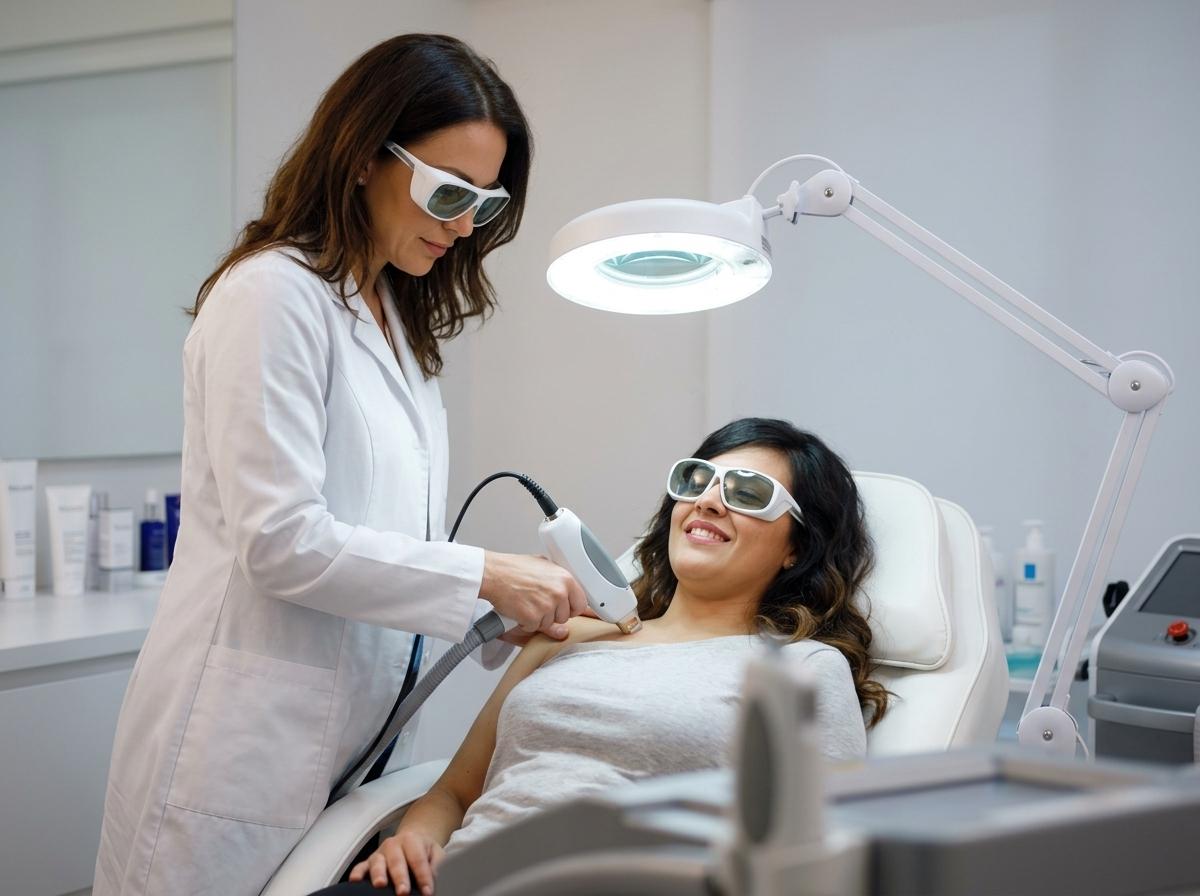
Safety is paramount when dealing with lasers. Knowing the science and biology behind treatments makes all the difference.
The Role of Laser Physics and Wavelengths
Understanding laser physics is crucial. Different wavelengths target different skin concerns. For example, some wavelengths are better for hair removal, while others target pigmentation. This knowledge allows you to choose the right treatment for each client. It’s like having a toolbox where each tool has a specific purpose. Without understanding this, you might use the wrong settings, leading to ineffective or unsafe treatments. Ensuring the correct application is key to client satisfaction and safety.
Understanding Skin Biology and Contraindications
Knowledge of skin biology is equally important. Skin types and tones react differently to laser treatments. What works for one person may not work for another. Understanding contraindications helps prevent adverse reactions. Some conditions make laser treatments unsuitable. For instance, certain medications or skin diseases can increase risk. Knowing when not to treat is as vital as knowing how to treat. This understanding protects clients and helps maintain trust.
Consultation and Treatment Protocols
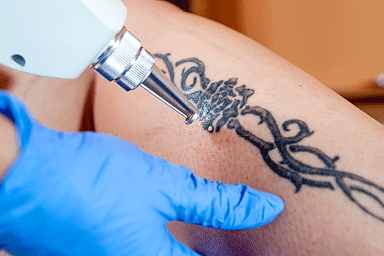
Before any treatment, proper protocols must be followed. This ensures treatments are both safe and effective.
Importance of Laser Consultation and Patch Test
A thorough consultation is the first step. It’s when you assess the client’s needs and expectations. During this time, a patch test is often conducted. This test checks for any adverse reactions to the laser. It’s a simple yet crucial step. Skipping it can lead to unexpected outcomes, damaging both skin and trust. The consultation also allows clients to ask questions, ensuring they feel informed and comfortable.
Ensuring Safe Laser Treatments in the UK
Safety is the backbone of laser treatments. Every client deserves a safe and pleasant experience. This means adhering to established protocols and continuous learning. Stay updated with the latest in laser technology and safety standards. Regularly reviewing and updating your knowledge ensures you provide the best care possible. By doing so, you foster a trustworthy relationship with your clients, enhancing their confidence in your services.
Frequently Asked Questions
What qualifications do I need to perform laser treatments in the UK?
To perform laser treatments, you need a Level 4 laser qualification UK. This ensures you understand both the technical and safety aspects required.
Why is a patch test necessary before laser treatments?
A patch test helps identify any adverse skin reactions to the laser. It ensures the treatment is safe and suitable for the client’s skin type.
What is the role of a Laser Safety Officer (LSO)?
An LSO oversees the safety protocols within a practice. They ensure that all laser treatments are conducted safely and in compliance with regulations.
How does understanding skin biology help in laser treatments?
Understanding skin biology helps tailor treatments to individual needs. It ensures that the correct laser settings are used, reducing risks and improving outcomes.
What are contraindications in laser treatments?
Contraindications are conditions or factors that make laser treatment unsuitable. This could include certain medications or skin conditions, and recognizing them is crucial for safe practice.