
Permanent makeup pigments are not the same as traditional tattoo inks, and knowing the difference matters. What goes into each pigment affects how natural your results look and how they change over time. When you understand colour theory, undertones, and implantation depth, you see why every detail requires skill and care. Let’s take a closer look behind the bottle to reveal the subtle craft and knowledge shaping your permanent makeup.
Understanding Permanent Makeup Pigments
When it comes to permanent makeup, knowing what goes onto your skin is essential. This section uncovers how PMU pigments differ from conventional tattoo inks to help you make informed choices.
PMU Pigments vs Tattoo Ink
PMU pigments and tattoo inks are often confused, but they’re distinct in composition and purpose. Tattoo inks are designed for bold, lasting colours, often containing more pigment particles. In contrast, PMU pigments are formulated for softer, natural-looking shades, using smaller amounts of particles that fade more gracefully over time. This subtlety is what allows your permanent makeup to enhance your features without looking harsh.
If you’re considering permanent makeup, understanding this difference is crucial. PMU pigments are crafted to work with your natural skin tones, giving you a result that’s tailored to your unique complexion. This makes the artistry behind PMU not just about applying pigment but ensuring it harmonises beautifully with your natural look.
What is in PMU Pigments?
The ingredients in PMU pigments are carefully selected to ensure safety and effectiveness. They typically include a blend of synthetic and organic compounds, each with a specific role. Common components like iron oxide provide stability and colour retention, while titanium dioxide adds brightness and opacity. These ingredients are chosen to avoid skin irritation and ensure the pigments hold well over time.
Understanding what is in PMU pigments helps you trust the process. These pigments are developed to be safe and long-lasting, so you can enjoy your enhanced look without worry. The careful selection of each ingredient reflects the dedication to quality and safety in the PMU industry.
Organic vs Inorganic Pigments PMU
Choosing between organic and inorganic pigments is an important decision in PMU. Organic pigments are known for their vibrant colours and are often used for brighter hues like lip blush. However, they can fade faster if not properly maintained. Inorganic pigments, on the other hand, provide more muted, earth-toned shades and are typically more stable, making them ideal for brow and eyeliner work.
Your choice will depend on your desired outcome and maintenance preferences. Both options offer unique benefits, making it essential to discuss with your artist to find what’s best for your skin and lifestyle. This conversation is a cornerstone of achieving a look that you love and that lasts.
The Art of Colour Selection
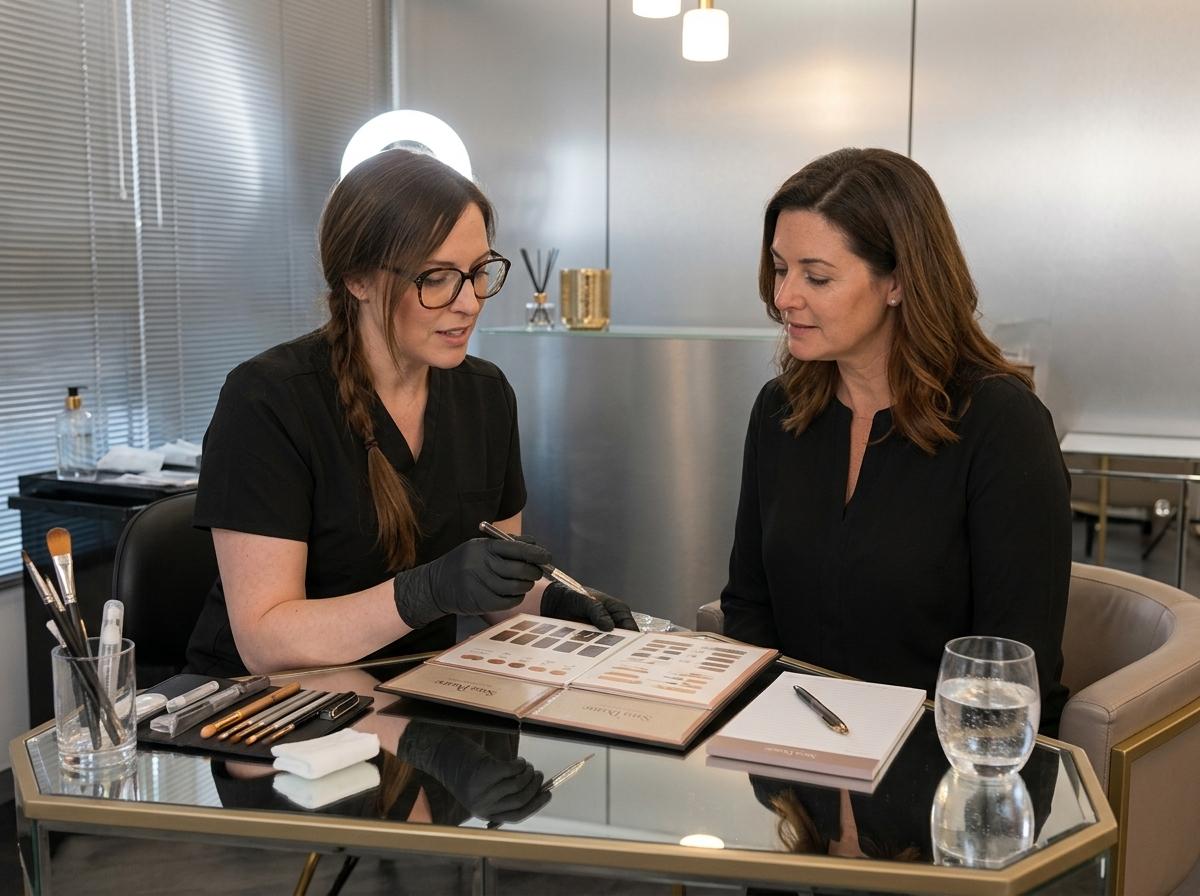
Once you understand the pigments’ composition, the next step is selecting the right colours. This involves a deep dive into colour theory, considering undertones and specific pigment needs for brows and lips.
Colour Theory in Permanent Makeup
Colour theory is the backbone of creating stunning PMU results. It involves understanding how different pigments interact with your skin tone to create a harmonious look. For example, cool undertones may require warmer pigments to achieve a balanced appearance. This knowledge is essential for avoiding unwanted hues, such as bluish brows or orange lips.
By applying colour theory, your artist can tailor the pigments to complement your natural complexion. This ensures a flattering and natural enhancement that respects your unique beauty. It’s this expertise that transforms pigment application into an art form.
Undertones and Pigment Selection
Selecting the right pigment involves understanding your skin’s undertones. Undertones can be cool, warm, or neutral, and they influence how colours appear once applied. A skilled artist will use this knowledge to choose pigments that enhance your natural features rather than clash with them.
For example, cool undertones may benefit from pigments with a warmer base to create a natural look. This approach ensures that your permanent makeup appears seamless and well-integrated with your skin. It’s not just about choosing a colour but choosing the right colour for you.
Brow and Lip Blush Pigments UK
The UK offers a wide range of pigments tailored for brows and lip blush, allowing for a personalised approach to PMU. When selecting pigments for brows, natural shades like ash brown or soft taupe are popular choices for a subtle enhancement. Lip blush pigments often range from soft pinks to deep berries, designed to add a natural flush of colour.
Having a variety of options ensures that your PMU can be customised to your style and preferences. The availability of high-quality pigments in the UK means you can achieve a look that’s both current and classic. This selection process is a key part of creating a lasting impression that truly complements your look.
Technique and Longevity in PMU
Beyond choosing the right pigments, the technique used in their application plays a vital role in the longevity and appearance of your PMU. This section explores how implantation depth affects results and how to ensure safe practices.
Implantation Depth PMU
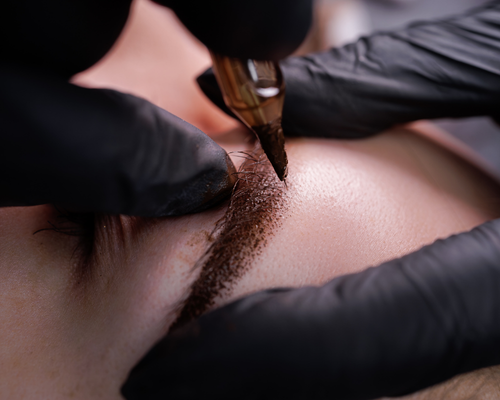
Implantation depth is a critical factor in achieving lasting PMU results. Pigments should be deposited at the correct skin layer, ensuring they are deep enough to stay but not too deep. This balance allows for a natural fade over time, maintaining the desired look without harsh edges.
Understanding this aspect helps you appreciate the skill involved in PMU application. It requires not only precision but also an understanding of skin anatomy. This ensures that your enhancements remain consistent and beautiful over time, reinforcing the artistry of your chosen professional.
PMU Fading Over Time
Fading is a natural part of the PMU process, influenced by factors like sun exposure and skin type. While some fading is expected, proper care can extend the life of your pigments. Using sunscreen and avoiding harsh exfoliants can help maintain the vibrancy of your PMU.
It’s important to embrace fading as part of the journey, knowing that it allows for adjustments and touch-ups as your style evolves. This adaptability is one of the great benefits of PMU, offering you the flexibility to change your look over time without permanent commitment.
Safe Permanent Makeup Practices
Safety should always be a priority with PMU. This means choosing a qualified artist who follows best practices, including sterilising equipment and using high-quality pigments. It’s also essential to undergo a patch test to prevent allergic reactions.
By prioritising safety, you protect your health and ensure the best possible outcome for your PMU. This commitment to careful practice is what sets reputable professionals apart, providing you with peace of mind and a look you’ll love.
Frequently Asked Questions
What makes PMU pigments different from tattoo inks?
PMU pigments are designed for a softer, more natural look and fade gracefully over time. They contain less pigment particles and specific ingredients like iron oxide, which are carefully chosen for safety and effectiveness.
How do I choose the right pigment for my skin tone?
Understanding your undertones is key. A skilled PMU artist will consider whether your skin has cool, warm, or neutral undertones and select pigments that harmonise with them for a seamless look.
What should I expect during the fading process?
Fading is gradual and varies based on factors like sun exposure and skin type. Regular touch-ups can help maintain your desired look, and using sun protection can slow down the fading process.
How deep should PMU pigments be implanted?
The pigments should be implanted in the upper dermal layer for optimal results, allowing them to fade naturally over time. This depth ensures a delicate balance between durability and adaptability.
What safety measures should be taken with PMU?
Ensure your artist uses sterile equipment, conducts a patch test, and uses high-quality pigments. These practices are crucial for protecting your health and achieving the best results.