

Surgical scars and changes after breast surgery can feel like constant reminders of a difficult chapter. Medical tattooing offers a subtle way to soften those marks and restore natural detail through scar camouflage and areola restoration. At our Maidstone and Llanover clinics, we focus on skin tone colour matching and gentle, careful application to help you feel more like yourself again. Let’s explore how these treatments support post-surgery confidence with natural-looking results. For more information, read this calm, expert guide.
Understanding Medical Tattooing
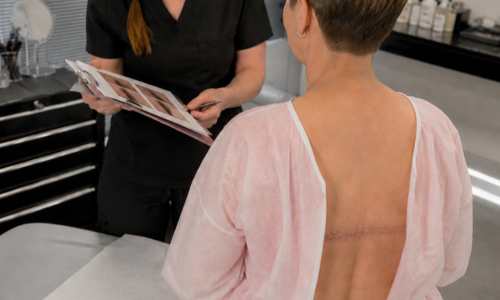
Medical tattooing is an artful way to support healing and confidence after surgery. It offers solutions that blend with your natural skin tone.
What Is Medical Tattooing?
Medical tattooing, also known as micropigmentation, involves applying pigment to the skin to enhance or restore appearance. It can be used to soften scars or create the look of a natural areola after breast surgery. This technique is highly effective for individuals seeking to feel more like themselves again, offering a way to visually restore what a surgical procedure might have altered. Unlike regular tattoos, medical tattooing uses pigments specifically designed to match your skin tone, aiming for results that look as natural as possible.
Benefits of Scar Camouflage
Scar camouflage is a medical tattooing technique that helps blend surgical scars with the surrounding skin. This treatment can make scars less noticeable, allowing the skin to appear more even. Scar camouflage can significantly improve self-esteem, making everyday interactions feel more comfortable. By using pigments matched to your skin tone, the treatment is tailored to your individual needs. This personalised approach ensures that the results blend seamlessly with your natural complexion.
Exploring Areola Restoration
Areola restoration is a specialised form of medical tattooing for those who have undergone breast surgery. It involves creating a realistic areola and nipple appearance, which can be an essential step in post-surgery recovery. The process uses 3D techniques to simulate natural shadows and highlights, resulting in a lifelike appearance. This procedure is particularly beneficial for those who have had mastectomy or breast reconstruction. It helps restore a sense of wholeness and can be a crucial aspect of emotional healing, allowing individuals to feel complete and confident.
The Process and Expectations
The process of medical tattooing is a careful journey from consultation to completion. Understanding what to expect can help ease any concerns.
Consultation and Colour Matching
The initial consultation is a vital step to ensure the best results. During this session, you’ll discuss your goals and expectations with your tattoo artist. Colour matching is an integral part of this process. The artist will assess your skin tone and choose pigments that blend seamlessly with your natural complexion. This careful selection ensures that the treatment enhances your appearance subtly and naturally. Understanding the process and knowing that your needs are the priority can make this step reassuring and empowering.
Application and Healing Stages
The application of medical tattooing is a delicate process. The procedure typically involves a numbing cream to minimise discomfort. The artist uses fine needles to apply the pigment, creating a natural look that softens scars or restores the areola. After the procedure, it’s normal to experience some redness and swelling, which subsides in a few days. The healing process is straightforward, with aftercare instructions focusing on keeping the area clean and moisturised. Most clients find the healing phase manageable and are excited to see the final results.
Refinement and Follow-Up Sessions
After the initial application, follow-up sessions may be necessary to refine the results. These sessions allow the artist to make any adjustments needed for the pigment to match perfectly with your skin tone. Refinement ensures that the final outcome meets your expectations and maintains a natural appearance. The process is flexible, and your comfort and satisfaction are the priorities. Regular follow-ups also offer an opportunity to discuss any concerns and ensure that your post-surgery journey is as smooth as possible.
Restoring Confidence Post-Surgery
Restoring confidence is at the heart of medical tattooing. These treatments offer more than just aesthetic benefits; they provide emotional support and healing.
Emotional Impact of Mastectomy Tattooing
Mastectomy tattooing can have a profound emotional impact. It helps individuals reclaim their bodies and feel more like themselves after surgery. The process acknowledges the emotional journey associated with breast surgery and offers a compassionate way to restore what was lost. By providing a natural-looking appearance, tattooing supports emotional healing and confidence. Many clients find that this treatment is an essential step in moving forward, enhancing their sense of identity and well-being.
Achieving Natural-Looking Results
Achieving natural-looking results is a key goal of medical tattooing. The use of custom-matched pigments ensures that the treatment blends seamlessly with your skin. This approach respects your natural beauty and enhances it, rather than altering it. The aim is to create results that are subtle yet impactful, helping you feel comfortable and confident in your skin. This attention to detail and care ensures that the final results align with your personal appearance goals, promoting a sense of satisfaction and empowerment.
Choosing an Areola Tattoo Artist
Choosing the right areola tattoo artist is crucial for achieving the desired outcome. Look for an experienced professional with a portfolio of natural-looking results. An artist’s skill in colour matching and attention to detail can make all the difference. When selecting an artist, consider their approach to client care and their ability to listen and understand your needs. A compassionate and skilled artist will prioritise your comfort and work to ensure that you feel supported throughout the process. Trust in their expertise, and you’ll be on the path to restoring your confidence.
Frequently Asked Questions
How long does medical tattooing last?
Medical tattoos typically last between two to four years. The longevity can vary based on individual skin types and care routines. Regular touch-ups can help maintain the desired appearance.
Is medical tattooing painful?
Most clients experience minimal discomfort during the procedure due to the application of numbing cream. Any sensation is often described as a light scratching or vibration.
What should I expect during the healing process?
After the procedure, expect some redness and swelling, which usually subsides within a few days. Proper aftercare, including keeping the area moisturised and clean, is essential for optimal healing.
Can anyone have medical tattooing?
Medical tattooing is suitable for most individuals, but those with certain skin conditions or specific medical histories should consult with their healthcare provider first.
How do I find a qualified medical tattoo artist?
Look for an artist with experience in medical tattooing, a strong portfolio, and positive client reviews. A good artist will prioritise your needs and ensure a safe, comfortable experience.