
Choosing the right medical tattooing for scar camouflage and areola restoration: a calm, expert guide
Choosing the right medical tattooing for scar camouflage or areola restoration requires more than picking a colour or style. You want a treatment tailored to your skin tone, timing, and personal story, with a practitioner who listens and guides you carefully. This guide will help you understand what to expect from consultations, colour matching, and technique choices, so you can make informed decisions and feel confident in your path forward. Learn more about restorative tattooing.
Understanding Medical Tattooing
Stepping into the world of medical tattooing can bring a sense of hope and renewal. It’s a path to restoring not just appearances but also confidence. But what exactly is involved?
What is Medical Tattooing?
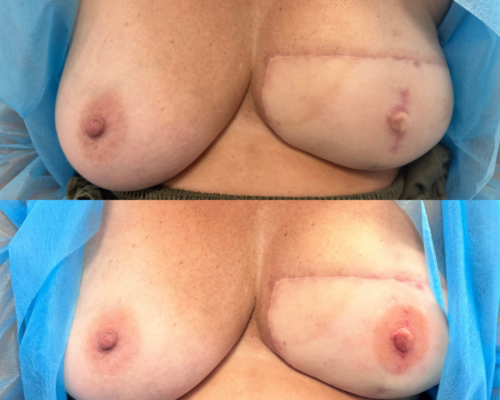
Medical tattooing, also known as medical micropigmentation, involves applying pigments to the skin for therapeutic reasons. This treatment is often used to help with scar camouflage and areola restoration. By introducing pigments into the skin, it helps blend or accentuate areas affected by surgery or trauma. The process can be seen as creating art on the skin, where precision and care lead to a natural look. If you’re curious about how medical micropigmentation can work for you, explore more in this detailed guide.
Benefits of Scar Camouflage Tattoo
Scar camouflage tattoos offer more than just a visual improvement. They provide a way to blend scars into your natural skin tone, making them less noticeable. This process can significantly boost your self-esteem. Imagine walking into a room without worrying about your scars catching anyone’s eye. The beauty of this technique lies in its ability to make scars less visible while maintaining a natural appearance. For more insights, this resource can offer detailed information on its benefits.
Areola Restoration Explained
For many, areola restoration is a step towards feeling whole again after breast surgery. This technique recreates the nipple-areola complex using pigment, aiming to match your natural skin tone. Areola tattooing can be a deeply personal choice, providing emotional closure after mastectomy or other surgeries. It’s about helping you feel more like yourself again. The technique involves careful colour matching and shading to create a realistic appearance. To understand more about this process, you can learn from this comprehensive overview.
Choosing the Right Approach
Now that you understand the basics, let’s explore how to choose the best approach for your needs. The right strategy can significantly impact your results and satisfaction.
Importance of Colour Matching
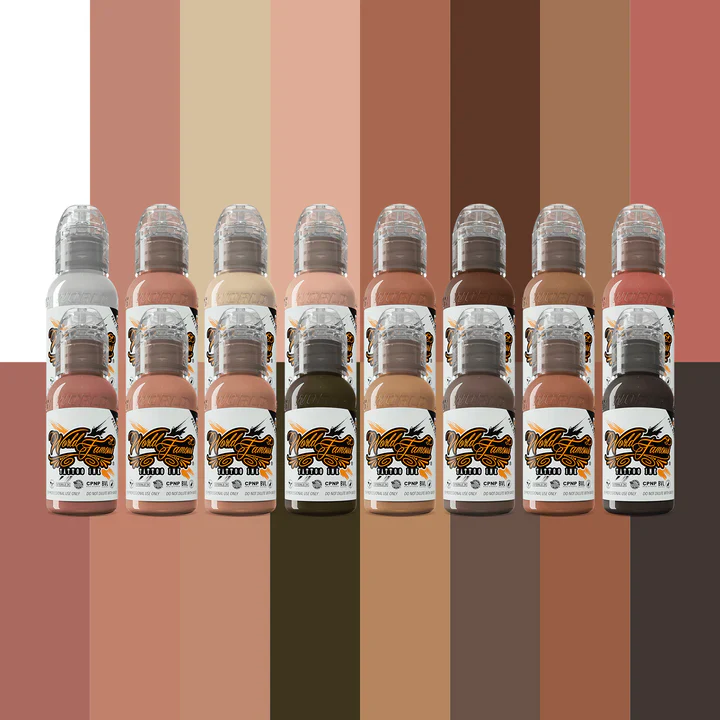
Colour matching is crucial for a seamless result. It ensures that the tattoo blends well with your skin, making it almost invisible. The process involves analysing your skin’s undertones and selecting the right pigment mix. This step is vital for achieving natural-looking results. An expert practitioner will take the time to test pigments against your skin, ensuring the best match. Inaccurate colour matching can result in an unnatural appearance, which is why this step should never be rushed.
Techniques for Natural-Looking Results
Different techniques can be used based on the area being treated and the desired outcome. For scars, blending the edges with your skin tone can make them appear more subtle. For areola restoration, 3D shading techniques can create depth and realism. These methods require a skilled hand and an artist’s eye to ensure the result is both natural and flattering. Choosing the right technique is essential for achieving results that enhance your confidence.
Timing After Surgery or Healing
Timing is a critical factor in medical tattooing. Your skin needs time to heal post-surgery or trauma before undergoing tattooing. Generally, it’s recommended to wait at least 6 to 12 months after surgery. This waiting period allows the skin to settle, ensuring that the tattooing process will not interfere with your body’s natural healing. Rushing this step can lead to complications or unsatisfactory results.
Finding the Right Practitioner
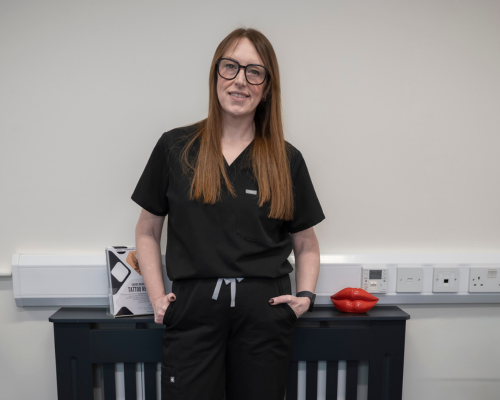
Selecting the right practitioner is as important as the procedure itself. The expertise and approach of your chosen artist will affect both the process and the outcome.
Credentials of a Skilled Artist
A skilled practitioner will have both the technical ability and the artistic vision required for medical tattooing. Look for certifications in medical micropigmentation and examples of their previous work. A professional portfolio can offer insight into their style and proficiency. Don’t hesitate to ask for references or recommendations from other clients. Trusting someone with your skin is significant, and their credentials should reflect that responsibility.
Role of Integrated Services
Integrated services combine different treatments to achieve the best results. For example, laser treatments can be used alongside tattooing to refine scars before pigment application. This holistic approach ensures that each aspect of the treatment complements the others. Discussing these options with your practitioner can provide a clearer picture of how various treatments can work together to enhance results.
When to Book a Consultation
Timing your consultation is key. Ideally, you should reach out to a practitioner as soon as you start considering medical tattooing. Early consultations allow you to gather information, understand the process, and plan accordingly. This proactive approach ensures you have ample time to consider all aspects before making a decision. Feel comfortable taking your time to choose the right path for your needs.
Remember, embarking on this journey is a personal decision. By choosing the right approach and practitioner, you can achieve natural-looking, confidence-boosting results.