

Laser tattoo removal isn’t a one-size-fits-all process. Whether you want to fade your tattoo for a cover-up, refine a specific detail, or start again with a fresh canvas, knowing what to expect helps you make informed choices. At our Maidstone and South Wales clinics, we focus on safe laser tattoo removal tailored to your goals, with honest advice and careful planning every step of the way. Let’s explore what this journey really looks like for you. https://www.saraduane.com/laser-tattoo-removal-explained-when-to-remove-when-to-refine-and-how-to-plan-properly-2/
Understanding Laser Tattoo Removal
What to Expect in Kent and South Wales
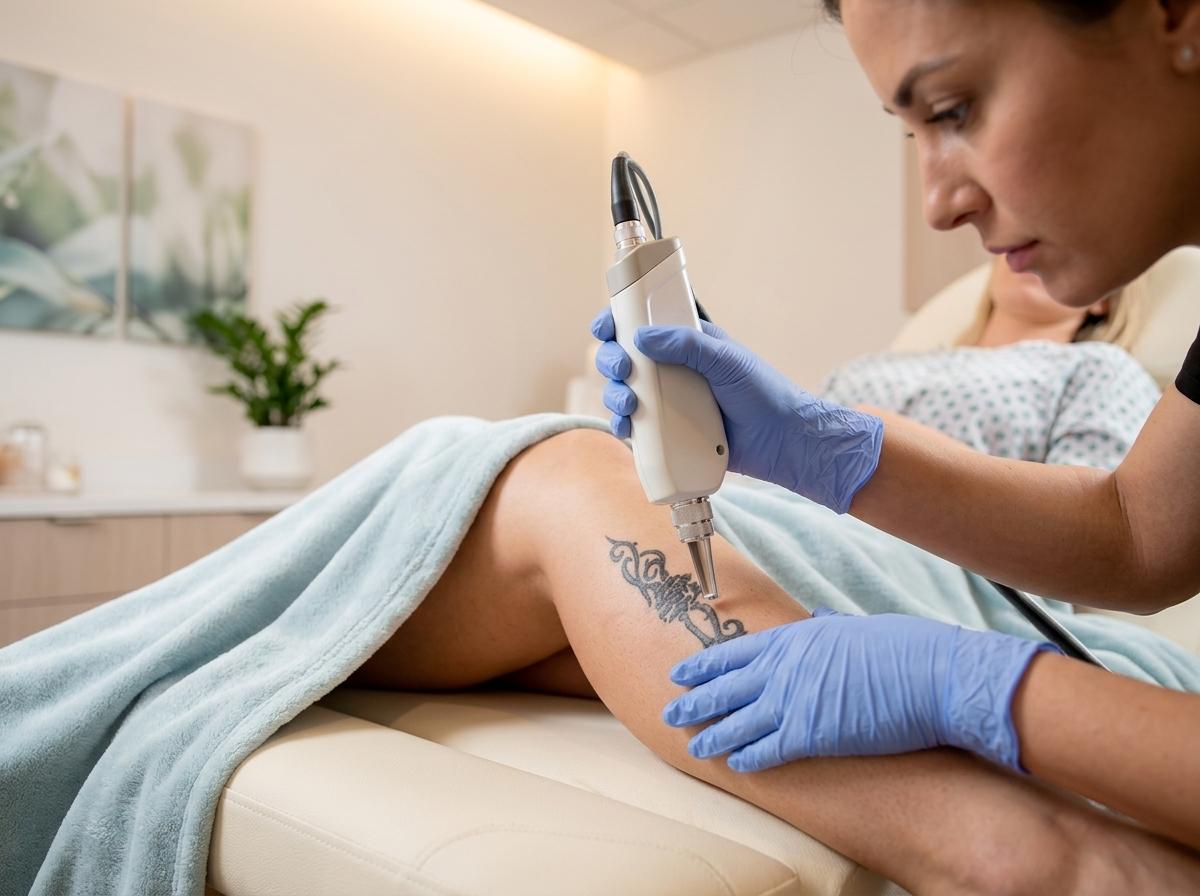
Laser tattoo removal is a personal journey, and knowing what to expect can make it less daunting. At our Maidstone and South Wales clinics, we prioritise your safety and comfort from start to finish. The process often involves multiple sessions, spaced weeks apart, to ensure optimal results and skin healing.
The Science Behind Laser Tattoo Removal
Laser tattoo removal works by using laser light energy to break down tattoo ink into tiny particles. Your body’s immune system then naturally clears these particles over time. The type of laser used can vary depending on the colours in your tattoo, which is why some tattoos require multiple types of lasers for effective removal. Understanding the science helps set realistic expectations and ensures you know the process is both safe and systematic.
Factors Affecting Laser Tattoo Success
Several factors can influence the success of laser tattoo removal. The age, size, and colour of your tattoo play significant roles. Darker inks like black and dark blue are typically easier to remove compared to lighter colours like green or yellow. Additionally, your skin type and overall health can affect how well your body responds to the treatment. Knowing these factors can help you better plan your tattoo removal journey.
Tailoring Your Tattoo Removal Plan
Fading for Cover-Up Tattoos
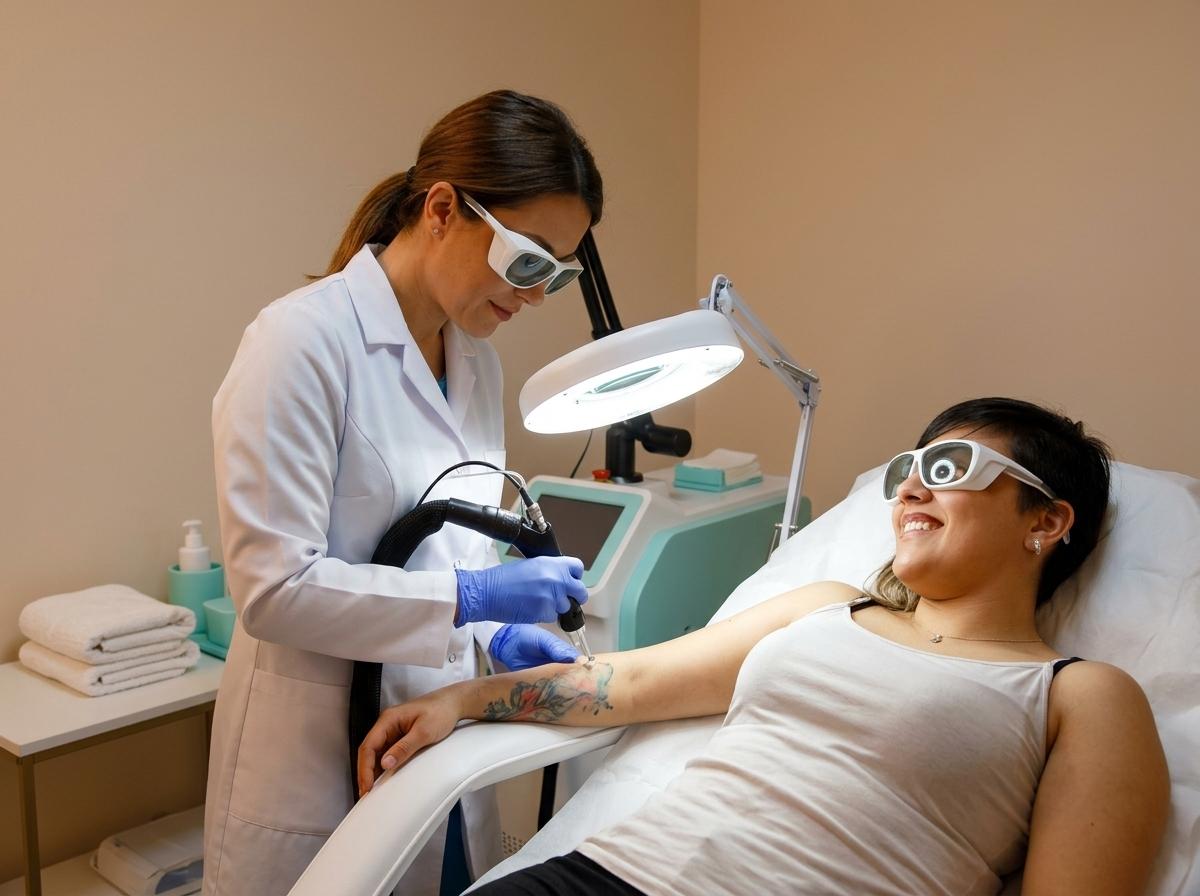
If you’re looking to fade your tattoo for a cover-up, laser removal can be a great option. Fading a tattoo involves fewer sessions than complete removal, making it a quicker process. By lightening the original design, your tattoo artist has more flexibility to create a new design. This approach allows you to transform your existing tattoo into something new and meaningful.
Refining and Removing Specific Details
Sometimes, you might want to refine or remove specific details from your tattoo. This targeted approach focuses on altering certain areas rather than the entire tattoo. It requires precision and often involves fewer sessions, allowing you to maintain the parts of your tattoo you love while adjusting others. This option is perfect for those who want to keep much of their existing ink but improve specific elements.
Starting Fresh: Complete Tattoo Removal
For those wanting a clean slate, complete tattoo removal is the goal. This process involves a series of sessions to gradually fade the tattoo until it’s no longer visible. Although it can take more time and dedication, the result is a blank canvas ready for new possibilities or simply the absence of unwanted ink. Complete removal offers the freedom to start anew, whatever your next steps might be.
Preparing for Your Laser Tattoo Journey
Your Initial Laser Tattoo Consultation
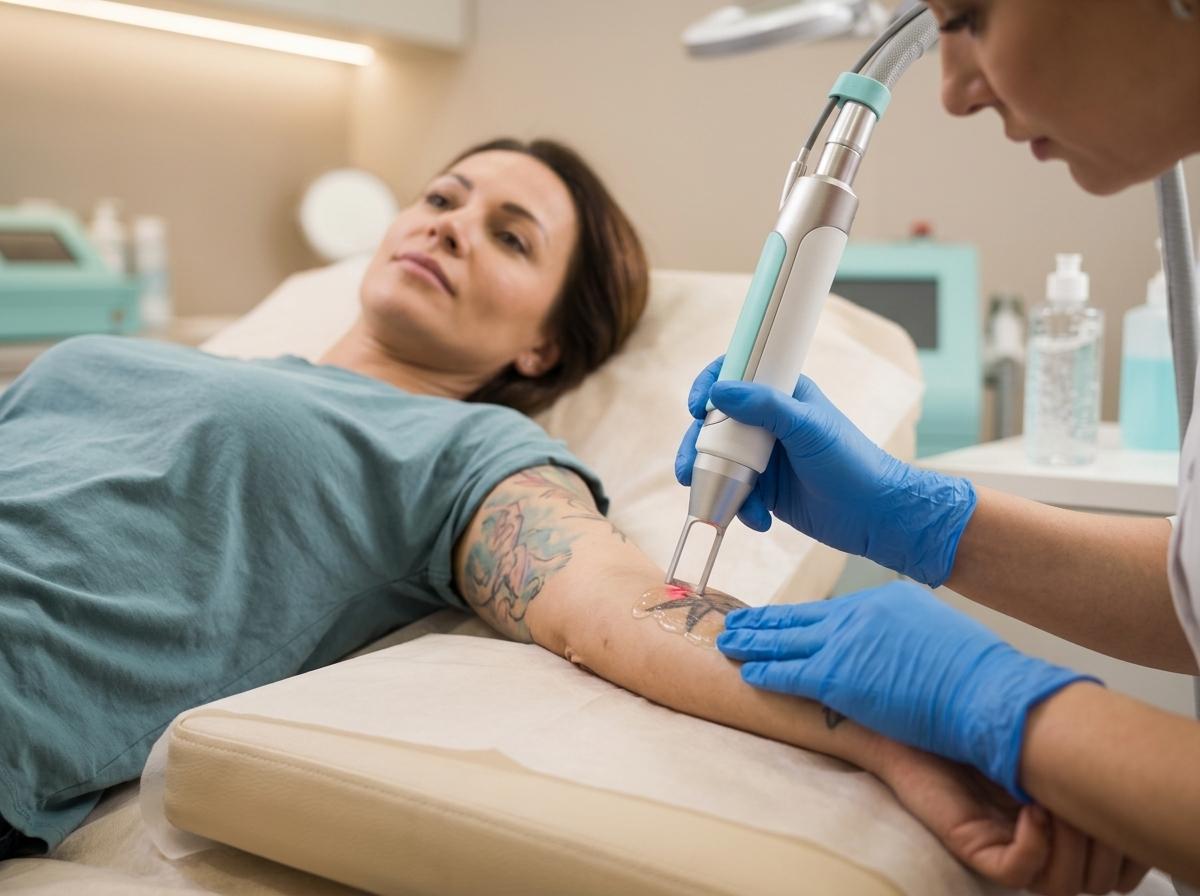
Your journey begins with an initial consultation where we discuss your goals, assess your tattoo, and create a personalised removal plan. This is the time to ask questions, understand the process, and set realistic expectations. It’s essential to feel fully informed and comfortable with the plan before starting the treatment.
Tattoo Removal Patch Test Explained
A patch test is a crucial step before full treatment. It involves applying the laser to a small area of your tattoo to gauge how your skin reacts. This test helps ensure the procedure will be safe and effective for you. It’s an important part of preparing for your laser tattoo journey, giving both you and the technician valuable insights.
Essential Aftercare for Best Results
Proper aftercare is essential for achieving the best results from laser tattoo removal. This includes keeping the area clean, avoiding sun exposure, and following any specific instructions provided by your technician. Good aftercare helps your skin heal better and reduces the risk of complications, ensuring the success of your tattoo removal process.
Frequently Asked Questions
How many sessions does laser tattoo removal take?
The number of sessions varies depending on factors like tattoo size, colour, and age. On average, it can take 6 to 10 sessions, but some tattoos may require more or fewer treatments.
Does laser tattoo removal hurt?
The sensation can vary, often compared to a rubber band snapping against the skin. Some discomfort is normal, but it’s generally manageable. Numbing creams can help reduce any pain during the procedure.
Can all tattoo colours be removed?
Most colours can be removed, but some are more challenging than others. Darker colours like black and dark blue are typically easier to remove, while lighter colours like green and yellow can be more stubborn.
What should I avoid after a laser tattoo removal session?
After a session, avoid sun exposure, swimming, and applying makeup or lotions on the treated area. Follow your technician’s aftercare instructions closely to promote healing and reduce the risk of side effects.
Is laser tattoo removal safe for everyone?
Laser tattoo removal is generally safe for most people, but certain skin types and health conditions may require special considerations. A consultation will help determine if it’s the right option for you.
For more detailed information, check our complete overview of laser tattoo removal.