
Laser tattoo removal in Kent and South Wales is more than just erasing ink. Whether you want to remove a tattoo fully or simply lighten it for a cover-up, understanding the right approach makes all the difference. This guide will help you plan carefully, know what to expect during sessions, and learn how to care for your skin afterwards. With clear, honest advice, you can feel confident about your next step. For more insights, see this guide on laser tattoo removal.
Understanding Tattoo Removal Options
Choosing the right tattoo removal option depends on your goals and current tattoo. Let’s explore the differences between full removal, refinement, and lightening.
Full Removal vs. Refinement
When considering laser tattoo removal, you might wonder whether to go for full removal or refinement. Full removal completely clears the tattoo, restoring your skin to its natural state. This choice suits those who no longer want the tattoo or need a fresh start. Expect multiple sessions, as full removal requires time and precision.
Refinement, on the other hand, involves selectively lightening parts of the tattoo. This method helps improve or update an existing design without removing it entirely. People often choose refinement when they wish to alter a specific section or enhance faded parts. Consider both options carefully to decide which aligns best with your goals.
Lightening for Cover-Ups
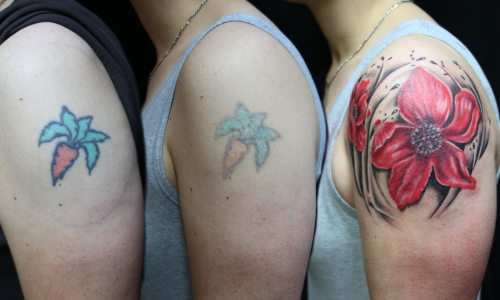
If you’re hoping to cover an old tattoo with a new design, lightening can be essential. Lightening fades the existing tattoo, making it easier to overlay with new ink. This process involves fewer sessions than full removal, focusing on softening the current design. The lighter the base, the more vibrant and accurate the new tattoo will appear.
It’s crucial to communicate with your tattoo artist about the new design before starting lightening. Knowing what you want helps tailor the lightening process to achieve the best results. For more detailed information, check out this preparation guide for laser tattoo removal.
When to Remove or Cover
Deciding whether to remove or cover a tattoo can be challenging. Think about why you want to change it. Full removal may be best if the tattoo holds negative associations or you desire a clean slate. Covering works well if you wish to transform an old design into something new and meaningful.
Consider consulting with professionals before making a decision. They can offer insights based on your skin type, tattoo condition, and desired outcome. Your choice should reflect personal goals and comfort, ensuring satisfaction with the final result.
Planning Your Tattoo Removal Journey
Understanding the steps involved in tattoo removal helps you plan effectively. From the number of sessions to aftercare, preparation is key.
How Many Laser Sessions Needed
The number of laser sessions depends on various factors, including tattoo size, colour, and ink depth. Typically, tattoos require multiple sessions, scheduled weeks apart, to fade effectively. Newer tattoos or those with vibrant colours might need more sessions compared to older or simpler designs.
During your consultation, the specialist will assess your tattoo and provide an estimated session count. Keep in mind, this number can vary as your skin responds to treatment. Stay patient, as gradual progress ensures the safety and health of your skin.
Setting Realistic Timelines
Setting a realistic timeline for tattoo removal is crucial. Each session requires healing time, often four to six weeks, before the next treatment. This pacing allows your skin to recover and optimises results.
If planning for an event or a new tattoo, start your removal journey early. Being proactive prevents rushed decisions and ensures your skin looks its best. Discuss your timeline with your specialist; they’ll guide you to a schedule that aligns with your goals.
Safe Tattoo Removal Aftercare
Aftercare plays a vital role in successful tattoo removal. Proper care helps your skin heal and reduces the risk of complications. Post-treatment, keep the area clean and avoid sun exposure. Moisturising regularly aids in soothing the skin and promoting recovery.
If you experience discomfort or swelling, consult your specialist for advice. Following aftercare guidance ensures the best possible outcome. For more detailed aftercare tips, refer to this comprehensive aftercare guide.
Personalised Consultations and Patch Testing
Personalised consultations and patch testing are important components of a successful tattoo removal journey. They ensure your skin is ready and the treatment is right for you.
Importance of Skin Type Consideration
Your skin type significantly affects how it responds to laser treatment. Understanding this helps tailor the removal process to minimise risks and optimise results. During your consultation, your specialist will assess your skin type, considering factors like pigmentation and sensitivity.
Customising the approach based on your skin ensures a safer and more effective treatment process. This attention to detail reflects a commitment to your well-being and satisfaction.
Patch Test Tattoo Removal Process
Patch testing is a crucial step before starting full tattoo removal. It involves applying the laser to a small area of your tattoo to see how your skin reacts. This test helps identify any adverse reactions and ensures the chosen method suits your skin.
The patch test is typically quick and provides valuable insights into the treatment’s suitability. It’s an essential precaution that promotes safety and confidence as you proceed with removal.
Booking a Consultation in Maidstone or Llanover
Booking a consultation is the first step in your tattoo removal journey. At our Maidstone and Llanover clinics, we offer personalised guidance to help you make informed decisions. During your visit, you’ll learn about the process, expected outcomes, and any questions you might have will be addressed.
Our team focuses on providing a supportive and reassuring experience, ensuring you feel confident and prepared every step of the way. Reach out to book your consultation and take the first step toward achieving your tattoo removal goals.
Frequently Asked Questions
How many sessions does laser tattoo removal require?
The number of sessions varies based on the tattoo’s size, colour, and depth. Most tattoos need multiple sessions, with each spaced several weeks apart to allow for proper healing.
Can all tattoo colours be removed?
While black and dark blue are easier to remove, lighter colours like green and yellow may require more sessions as they can be more resistant to laser treatment.
What should I expect during aftercare?
After treatment, keep the area clean and moisturised, and avoid sun exposure. Follow your specialist’s advice to ensure the best healing and minimise risks of complications.
Is laser tattoo removal painful?
The sensation varies by individual. Some describe it as similar to a rubber band snap against the skin. Discomfort is typically manageable, and specialists can provide tips to ease any discomfort.
How soon can I cover a tattoo after lightening?
It’s best to wait a few weeks after lightening to allow your skin to heal fully before applying new ink. Consult your tattoo artist for the ideal timing based on your skin’s condition.