
A consultation for permanent makeup or skin treatments should be your first step—not just a formality. It’s where your unique story, skin, and goals are carefully explored to shape a plan that feels right for you. Knowing exactly what to expect helps you decide calmly and confidently before committing to brows, scalp, scars or skin procedures. This guide explains what a thoughtful consultation covers so you can feel safe and informed every step of the way.
The Essential Consultation Process
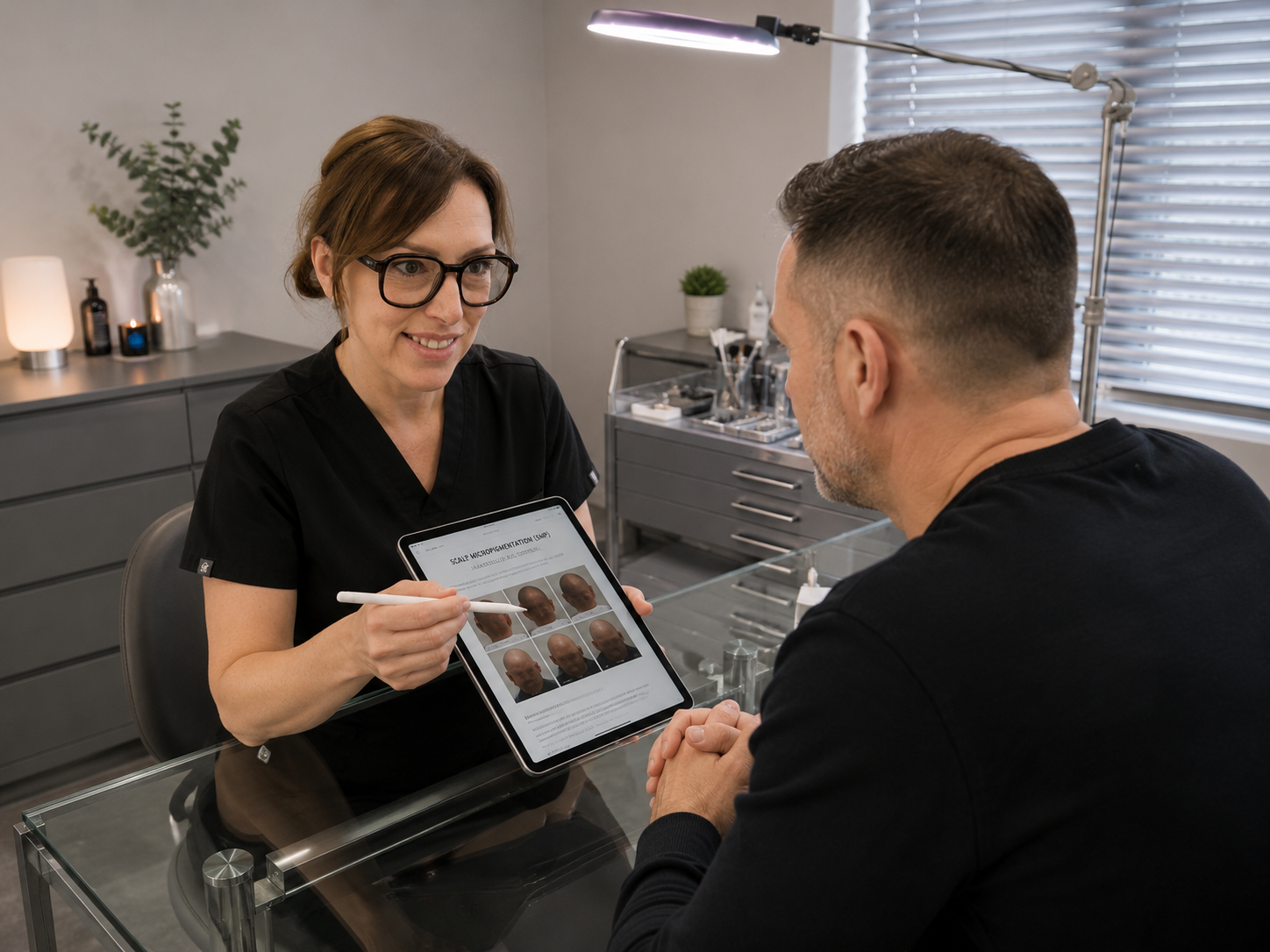
A comprehensive consultation ensures you get the best results and feel confident in your choices.
Understanding Your Personal Goals
The first step is about you. A good consultant will ask about your goals and what you hope to achieve. They’ll listen to your story, understanding your unique needs. This is when you get to express your concerns, desires, and any previous experiences you’ve had. Perhaps you’re considering a brow tattoo consultation in the UK or exploring scalp micropigmentation. Whatever your reasons, your goals set the foundation for your treatment plan. Be open and honest; the more your consultant knows, the better they can tailor their advice to fit your needs.
Assessing Suitability and Safety
Not every treatment suits everyone. Your health, skin type, and medical history matter. The consultant will assess these factors to ensure safety. They might ask about medications, skin conditions, or recent treatments. This is crucial for procedures like medical tattooing consultations or scar camouflage consultations. Don’t worry, it’s all about making sure the treatment is right for you. Trust that this step protects you and helps achieve the best possible results.
Discussing Techniques and Outcomes
This is where you learn about the process and what to expect. Your consultant will explain the techniques used, whether it’s for permanent brows in Kent or safe laser treatments in the UK. They’ll discuss the outcomes, including what results are realistic and how many sessions you might need. Remember, natural-looking permanent makeup is achievable with the right approach. Ask questions and ensure you understand every detail.
Key Topics in Permanent Makeup Consultations
Delving deeper, certain topics are vital in permanent makeup consultations.
Colour Matching and Pigment Selection
Choosing the right colour is crucial for a natural look. During the consultation, expect a discussion on colour matching for brows in the UK. The consultant will consider your skin tone, hair colour, and preferences. They might show you samples and explain how pigments work. This step ensures the final result enhances your features subtly, without looking artificial. A well-chosen pigment can make a world of difference in your satisfaction.
Patch Testing and Skin Sensitivity
Safety first. A patch test checks how your skin reacts to the pigments. It’s a small trial done before the actual procedure to prevent allergic reactions. If you have sensitive skin, this step is even more critical. The consultant will explain the process and what to look for after the test. It’s about ensuring your comfort and safety during and after the treatment. Don’t skip this step; it’s your skin’s safeguard.
Hygiene Standards and Safety Protocols
Cleanliness is non-negotiable. Your consultant should outline the hygiene standards and safety protocols they follow. This includes using sterilised equipment and ensuring a clean environment. It’s vital for procedures like SMP consultations in Kent or SMP in South Wales. Knowing that your health is prioritised allows you to proceed with peace of mind. Ask to see the protocols in action if you’re unsure.
Making Informed Decisions
With all the information, you’re equipped to make wise choices.
Practitioner Qualifications and Portfolio
Check who’s doing your procedure. Look at their qualifications and portfolio. A skilled practitioner has a history of successful treatments and happy clients. They should be transparent about their experience, especially in areas like areola tattoo consultations or laser tattoo removal consultations. Seeing their work gives you confidence in their ability to deliver what you want.
Transparent Pricing and Scheduling
Know what you’re paying for. Ask for a detailed breakdown of costs and the schedule. You need clarity on what each session entails. This transparency helps you plan financially and manage your time. You don’t want surprises when it comes to your investment in skin consultations in Maidstone or skin consultations in Abergavenny. Good consultants provide clear information upfront.
Considering Alternatives and Risks
Understanding all options is crucial. Your consultant should discuss alternatives and potential risks, ensuring you’re aware of all possibilities. It might mean considering different techniques or understanding side effects. This knowledge empowers you to make the best decision for your needs. Remember, your comfort and confidence are the ultimate goals.
Frequently Asked Questions
What should I ask during a permanent makeup consultation?
During a consultation, ask about the practitioner’s qualifications, the process, potential outcomes, and aftercare. It’s also important to discuss pricing and any safety concerns you might have.
How can I ensure the pigments used will match my skin tone?
Colour matching should be part of your consultation. The practitioner will assess your skin tone and show you pigment samples. Make sure they explain their selection process.
What are the benefits of a patch test before cosmetic tattooing?
A patch test helps to identify any allergic reactions to pigments before the procedure. It’s a precautionary step to ensure your skin doesn’t react negatively during the actual treatment.
Why is hygiene important in cosmetic tattooing?
Hygiene is crucial to prevent infections and ensure safety. It involves using sterilised equipment and maintaining a clean environment, which protects your health during and after the procedure.
How long does a typical permanent makeup treatment take?
Treatment time varies depending on the procedure. Most sessions last between one to two hours, but your consultant will provide a specific timeline based on your chosen treatment.