
Permanent make-up for mature skin calls for a gentle, thoughtful approach. As your skin changes, so do the ways pigment settles and heals. Knowing what to expect helps you feel calm and confident throughout the process. This guide will walk you through subtle, natural options tailored for your unique features, so you can enjoy a polished look that feels truly like you. For more information, visit this guide on permanent make-up for mature skin.
Understanding Mature Skin Changes
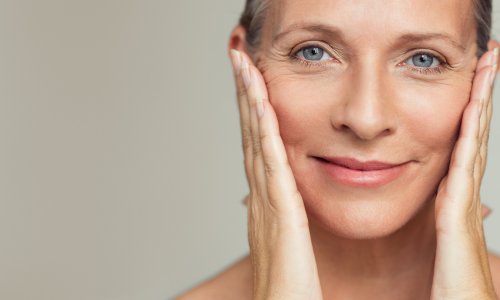
Let’s explore how mature skin evolves, impacting your choices in permanent make-up. Understanding these changes can help you make informed decisions and achieve the best possible results.
Skin Texture and Elasticity Shifts
As you age, your skin naturally becomes thinner and less elastic. This means it might not hold pigment in the same way it used to. You may notice more fine lines and a change in skin texture, which requires special attention during make-up application. A softer approach can help create the appearance you desire without emphasizing these changes. It’s essential to work with a professional who understands these nuances and can adjust techniques accordingly.
Impact on Permanent Make-up Choices
Choosing the right technique and style is crucial for mature skin. Options like hair stroke brows for sparse brows can offer a natural look, filling in areas where hair might have thinned. Similarly, lip blush for soft lip definition can enhance lip colour without the need for daily touch-ups. Each choice should reflect your unique features and preferences, ensuring that the result feels authentically you.
Healing Considerations for Mature Skin
Healing can be slightly different for mature skin. It may take longer, and the final colour could appear softer. It’s important to follow aftercare instructions carefully and allow your skin the time it needs to recover. This includes keeping the area clean and moisturized, avoiding sun exposure, and refraining from picking at the treated area. By doing so, you’ll support the healing process and enhance the longevity of your results.
Setting Realistic Expectations
Understanding what to expect can make your permanent make-up journey smoother and more satisfying. Here’s what you need to know about the longevity and look of your results.
Longevity and Maintenance of Results
Permanent make-up can last for several years, but it’s not truly permanent. Factors such as skin type and lifestyle can affect how long results last. Regular touch-ups might be needed to maintain the desired look. Most people find that a touch-up every 1-2 years keeps their make-up looking fresh. Natural permanent make-up UK is designed to fade gradually, so your look evolves naturally over time.
Natural vs. Dramatic Enhancements
When it comes to permanent make-up, the choice between natural and dramatic enhancements is personal. Many mature clients prefer subtle enhancements that complement their features without overpowering them. Soft powder brows for ageing skin can provide a polished look without looking too bold. Discuss your preferences with your artist to ensure your make-up reflects your style and personality.
Personalised Consultation Process
A personalised consultation is key to achieving the right results. During this session, you’ll discuss your goals and assess your skin’s unique needs. This is an opportunity to explore different styles and techniques that align with your preferences. It’s also the time to ask questions about the process, aftercare, and expected outcomes. A thoughtful consultation sets the foundation for a satisfying experience and beautiful results.
Building Trust with a Safety-led Approach
Safety is paramount in any cosmetic procedure. Here’s how we ensure your well-being and achieve the best results possible.
Importance of Patch Testing
Patch testing is a crucial step in the permanent make-up process. It helps identify any potential allergic reactions to the pigments used. Taking this precaution ensures your comfort and safety. By testing a small area first, we can proceed with confidence, knowing your skin will respond well to the treatment.
Tailored Techniques for Natural Results
Every client is unique, and so is their skin. Tailored techniques are essential for achieving natural-looking results. By considering factors such as pigmentation and skin condition, our approach ensures a seamless blend that enhances your features. The goal is to create a look that feels natural and complements your individuality.
Expertise in Mature Skin Care
Experience matters when dealing with mature skin. An expert in this field understands the subtleties of how skin changes with age. This knowledge allows for adjustments in technique to accommodate these changes, ensuring the best possible outcome. You can trust that your safety and satisfaction are our top priorities, and we are committed to providing you with the highest level of care.
Frequently Asked Questions
How long does permanent make-up last on mature skin?
Permanent make-up typically lasts 1-2 years on mature skin, depending on factors like skin type and lifestyle. Regular touch-ups help maintain the desired appearance.
Can permanent make-up look natural for older clients?
Yes, permanent make-up can look very natural. Techniques such as soft powder brows and lip blush are designed to enhance your features subtly, creating a polished yet understated look.
Is there any downtime after getting permanent make-up?
There’s minimal downtime. You might experience some redness and swelling, which usually subsides within a few days. Following aftercare instructions is essential for optimal healing.
What should I consider before choosing permanent make-up?
Consider your desired look, lifestyle, and the reputation of the artist. It’s important to choose a professional with experience in working with mature skin to ensure safe and satisfying results.
Why is patch testing important before a permanent make-up procedure?
Patch testing helps detect any allergic reactions to the pigments, ensuring your safety and comfort during the procedure. It’s a precautionary step to prevent adverse reactions.