
Permanent make‑up isn’t always the right choice at the moment you want it. Sometimes your skin’s condition, health history, or even timing means waiting will lead to better, more natural-looking microblading results. As an ethical permanent make‑up artist serving Maidstone and South Wales, I’m committed to honest consultations that put your wellbeing first, even if that means suggesting alternatives or delay.
Understanding Client Expectations
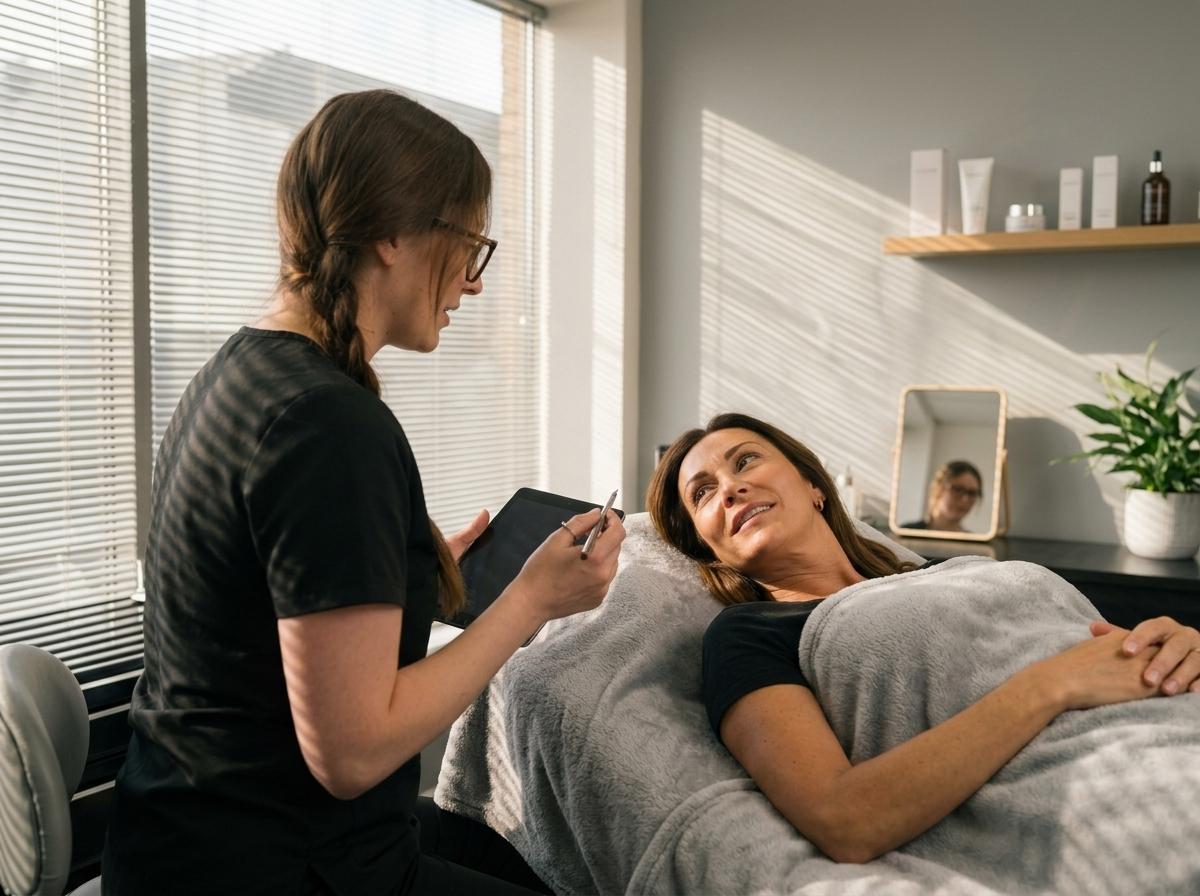
The journey to achieving beautiful, natural-looking permanent make‑up begins with aligning expectations. Understanding what clients truly want and ensuring they have realistic expectations is crucial.
Aligning with Natural Results
You might dream of perfectly sculpted brows or the ideal eyeliner, but it’s important to stay grounded. Striving for results that complement your unique features ensures a more authentic look. Many people think dramatic changes are best, but subtle enhancements often deliver the most satisfying results. This approach not only respects your individuality but also enhances your natural beauty.
Addressing Unrealistic Requests
It’s common for clients to come in with photos of celebrity-inspired looks. While these can serve as inspiration, it’s essential to tailor expectations to your distinct features. Permanent make‑up should accentuate, not overshadow, your natural beauty. This involves a deep discussion about your lifestyle, daily routine, and long-term goals. The goal is to achieve enhancements that feel like a natural extension of you, rather than a dramatic alteration.
Assessing Skin Readiness
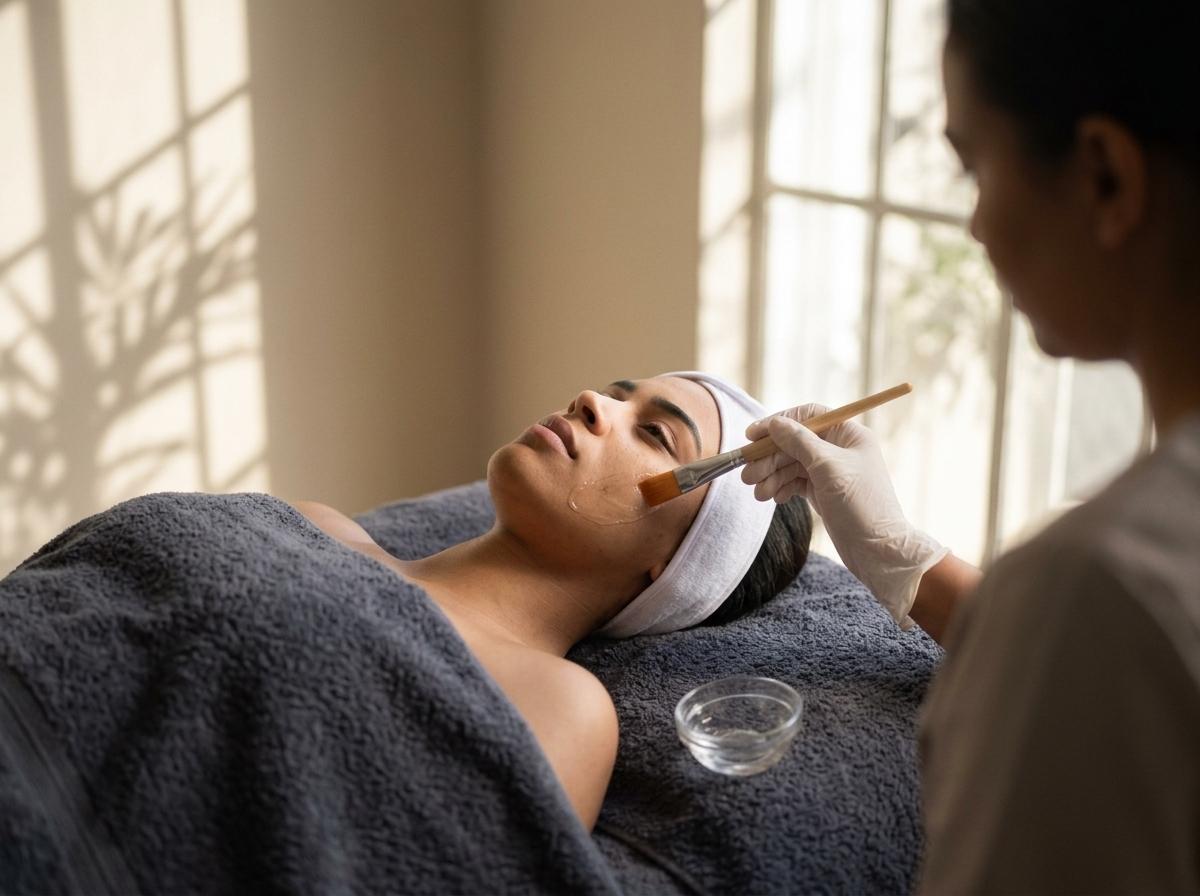
Before diving into any procedure, assessing the readiness of your skin is a fundamental step. This ensures not only the success of the treatment but also its longevity.
Evaluating Skin Health
Healthy skin is the canvas for successful permanent make‑up. Factors like texture, tone, and elasticity play significant roles. If your skin is currently undergoing changes due to treatments or conditions like acne or eczema, it’s best to wait. This waiting period allows your skin to stabilize, resulting in better outcomes. Checking your skin’s response to minor irritations can also provide insights into its readiness for procedures.
Timing and Healing Considerations
Timing is everything when it comes to permanent make‑up. Your skin needs time to heal and adapt. For instance, if you’ve recently undergone a chemical peel or laser treatment, it’s wise to hold off on permanent make‑up. Healing periods vary, but patience can significantly influence the final results. Allowing your skin the proper time to recover ensures that the new enhancements settle beautifully.
Medical and Lifestyle Factors
Your health history and current lifestyle can greatly impact the decision to proceed with permanent make‑up. Considering these factors is vital for optimal results.
Health History and Approvals
Certain medical conditions can influence the success and safety of permanent make‑up. Those on blood thinners, for example, should consult their doctor before proceeding. Medical professionals can provide necessary approvals, ensuring the procedure aligns with your health needs. It’s essential to disclose your medical history fully for the best advice and outcomes. You can explore more about professional ethics in beauty treatments here.
Managing Life Events and Aftercare
Life events such as pregnancy or recent surgeries demand careful consideration before opting for permanent make‑up. During these times, your body might be undergoing changes that affect healing. Additionally, committing to aftercare is crucial. Following guidelines like avoiding sun exposure and refraining from certain skincare products can protect your investment. Remember, the longer you wait, the better your skin will adapt, resulting in more natural-looking enhancements.
Frequently Asked Questions
Can I get permanent make‑up if I have sensitive skin?
Sensitive skin requires special care. It’s best to consult with a professional who can assess your skin’s condition and recommend the most suitable approach.
What should I avoid before and after my procedure?
Before the procedure, avoid alcohol and blood-thinning medications. Afterward, it’s crucial to follow aftercare instructions, such as keeping the area clean and avoiding sun exposure.
Is permanent make‑up suitable during pregnancy?
It’s generally advised to wait until after pregnancy and breastfeeding before undergoing permanent make‑up due to potential health implications.
How long does permanent make‑up last?
Typically, permanent make‑up can last 1-3 years, depending on factors like skin type and lifestyle. Regular touch-ups can help maintain the desired look.
What should I consider when choosing a permanent make‑up artist?
Look for experience, a solid portfolio, and positive reviews. An artist who prioritizes safety, hygiene, and realistic expectations is crucial for a successful outcome.