
Laser tattoo removal isn’t just about erasing ink quickly; it’s a careful process happening beneath your skin. When laser light meets tattoo pigment, it breaks ink into tiny fragments your body clears away over weeks. Understanding why patience matters more than rushing sessions helps protect your skin and supports natural-looking fading. In this article, you’ll learn how laser tattoo removal works and why a measured approach leads to the best results.
How Laser Tattoo Removal Works
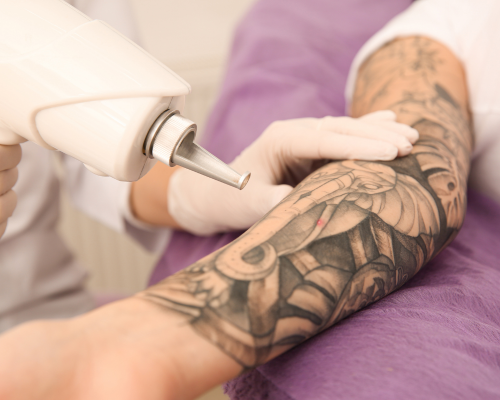
Understanding the process of laser tattoo removal can help you appreciate why a thoughtful approach is crucial. Let’s explore what happens to tattoo ink during this procedure.
What Happens to Tattoo Ink
When a laser targets your tattoo, the ink particles absorb the light. This energy causes the ink to break into smaller fragments. Over time, your body naturally clears these fragments away. It’s a bit like breaking a rock into pebbles that can be swept away by a gentle current.
Energy Targeting and Fragmentation
The laser’s energy is specifically designed to target tattoo pigments. Each pulse of light has a particular wavelength that is absorbed by the ink. This precise targeting ensures that the surrounding skin remains unharmed while the ink is fragmented into tiny pieces.
Body’s Role in Clearing Ink
Your body’s immune system plays a vital role in removing the fragmented ink. Once the ink is broken down, your immune system takes over, gradually clearing it through natural processes. This is why laser tattoo removal requires multiple sessions; the body needs time to process and remove the ink fragments.
Importance of Patience in Tattoo Removal
Now that you know how the process works, it’s important to understand why patience is essential in laser tattoo removal. Let’s delve into why waiting between sessions is crucial.
Tattoo Fading Between Sessions
After each laser session, you’ll notice gradual fading of your tattoo. This fading happens because your body needs time to remove the ink fragments. Rushing the process can lead to skin irritation and may not give your body enough time to heal and remove the ink properly.
Why Wait Between Laser Sessions
Waiting between laser sessions is not just a recommendation; it’s a necessity. Your skin needs time to heal, and your body requires time to clear the fragmented ink. Having sessions too close together can stress your skin, leading to unwanted side effects.
Maintaining Skin Health
Protecting your skin is paramount. Between sessions, it’s important to follow aftercare advice to maintain healthy skin. Proper care helps ensure that each session is as effective as possible, leading to a natural-looking outcome.
Essential Steps for Safe Tattoo Removal
Ensuring a safe tattoo removal process involves several key steps. Let’s look at what you need to do for a successful experience.
Patch Test Laser Removal Process
Before starting the removal process, a patch test is crucial. This test ensures that your skin reacts well to the laser, minimizing the risk of adverse reactions. It sets the stage for a safe and effective treatment plan.
Personalised Treatment Plans
Every tattoo and skin type is unique. A personalized treatment plan considers your individual needs, ensuring the best approach for removing your tattoo. This tailored plan helps achieve the desired results while keeping your skin’s health a priority.
Effective Laser Aftercare Advice
Aftercare is a critical part of the tattoo removal process. Proper aftercare helps your skin heal and reduces the risk of complications. Following professional advice ensures that your skin remains healthy and the removal process is as smooth as possible.
Frequently Asked Questions
How many sessions are required for laser tattoo removal?
The number of sessions varies depending on the tattoo’s size, colour, and your skin type. Generally, multiple sessions are needed to achieve the best results.
Is laser tattoo removal painful?
Most people describe the sensation as similar to a rubber band snapping against the skin. Discomfort levels can vary, but numbing options are available to ease the process.
Can all tattoo colours be removed by laser?
While most colours can be removed, some, like green and yellow, are more challenging and may require specialised lasers. Darker colours, like black and blue, are typically easier to remove.
What should I do between laser sessions?
Following aftercare instructions is vital. Keep the area clean, avoid sun exposure, and refrain from picking at scabs to ensure proper healing.
Are there risks associated with laser tattoo removal?
Laser tattoo removal is generally safe when performed by a trained professional. Possible risks include scarring, infection, or changes in skin colour, which can be minimised with proper care and professional guidance.