

Medical Tattooing for Scar Camouflage and Areola Reconstruction: An Honest, Comprehensive Guide
Medical tattooing offers more than just colour—it can quietly restore a sense of balance after surgery or skin changes. If you’ve been considering scar camouflage or areola reconstruction, understanding how this delicate art works matters. This guide will walk you through who it suits, what to expect, and why a gentle, personalised approach leads to natural results you can trust. For further insights, you can explore this link.
Understanding Medical Tattooing
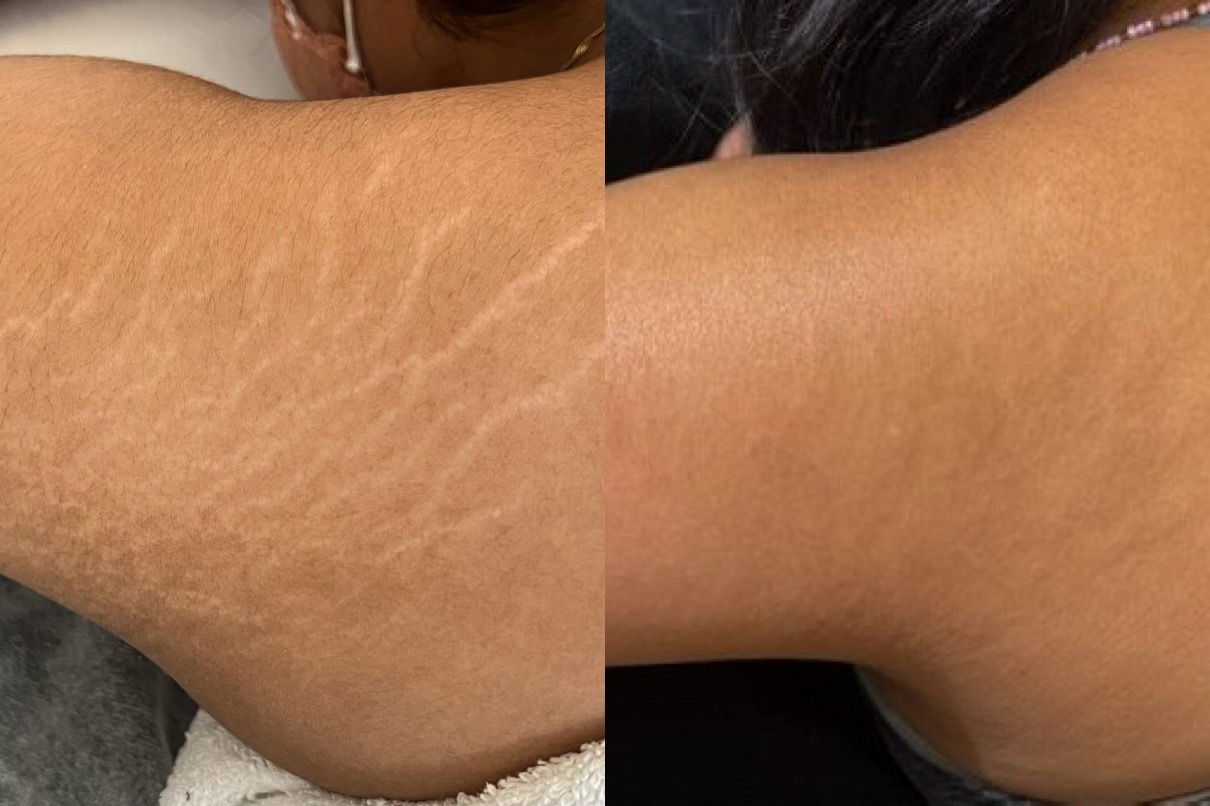
Medical tattooing is a transformative art that can restore confidence and comfort. Let’s explore how this works for various needs.
What is Medical Tattooing?
Medical tattooing, also known as medical micropigmentation, involves adding pigment into the skin to address different concerns. This technique can disguise scars, burns, and stretch marks. It can also create the illusion of hair follicles on those with thinning hair. By using a machine that deposits pigment under the skin’s surface, the process is both precise and impactful. A good example is using this technique to restore the appearance of an areola after a mastectomy. For more technical insights, check out this study.
Who Benefits from Paramedical Tattooing?
Paramedical tattooing suits many people. It can benefit those with scars or skin conditions that affect confidence. Individuals who have lost pigment due to vitiligo or have undergone surgery might find it incredibly helpful. The technique is gentle, making it ideal for those seeking a subtle change. Imagine the relief for someone who can now wear short sleeves without concern. If you’re curious about how paramedical tattooing is reshaping lives, learn more here.
The Process of Scar Camouflage
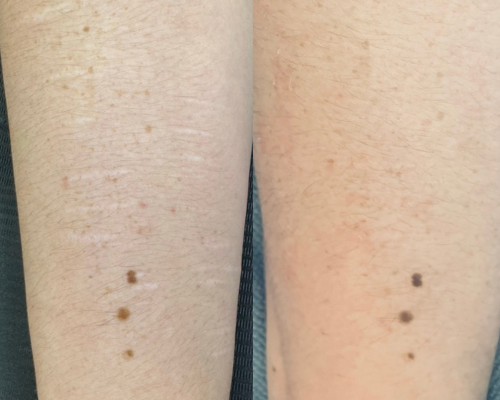
Scar camouflage is a careful journey. It starts with consultation and colour matching, ensuring the most natural results.
Consultation and Colour Matching
The process begins with a confidential consultation. This is where your unique needs are understood. During this session, the practitioner will discuss your goals and assess the area to be treated. Colour matching is crucial: it involves selecting pigments that blend seamlessly with your skin tone. This ensures the tattoo complements your natural appearance. Most people think the process is quick, but it requires detailed planning for truly natural results. To see how professionals approach this, visit this resource.
Treatment Sessions and Aftercare
Once colour matching is complete, treatment sessions begin. These sessions are spaced out to allow time for healing. Aftercare is vital: you’ll need to keep the area moisturised and protected from sunlight. Avoid swimming for a couple of weeks to ensure the pigment sets well. Most people believe aftercare is easy, but it requires discipline for best results. Commitment to the process will enhance the longevity of the tattoo. For guidance on maintaining your results, explore here.
Areola Reconstruction Techniques
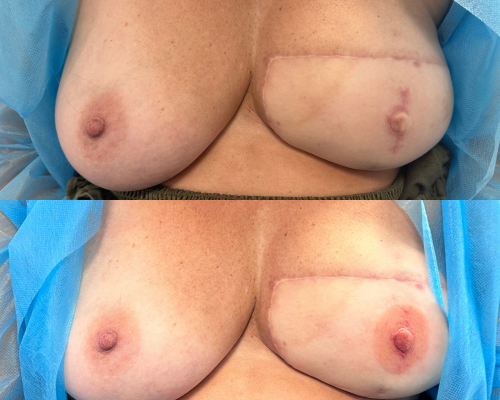
Areola reconstruction is a delicate art that can profoundly impact self-esteem. It involves creating a 3D effect for a lifelike appearance.
The Art of 3D Areola Tattooing
Creating a 3D areola tattoo involves skill and artistry. The tattooist uses shadows and highlights to mimic the natural texture of an areola. This method is especially beneficial after breast surgery, restoring a sense of completeness. The technique is precise, ensuring that each tattoo is tailored to the individual’s skin tone and body shape. You might be surprised to learn how realistic these tattoos can look. Understanding this technique can be empowering for those considering it as part of their healing journey.
Post-Mastectomy Tattoo Care and Maintenance
After receiving an areola tattoo, care and maintenance are crucial. Keeping the area clean and moisturised aids in healing and preserves the tattoo’s appearance. Avoid sun exposure to prevent fading. The longer you wait to follow these steps, the more you risk compromising the tattoo’s quality. Regular touch-ups can also help maintain the vibrancy and detail of the tattoo over time. For those who have undergone mastectomies, this final step can be a powerful part of reclaiming their bodies and confidence.