
Laser tattoo removal is not a simple erase-and-go process. Many people expect quick fading or complete disappearance in just a few sessions, but the reality is more nuanced. Understanding what laser tattoo removal in Kent can achieve, the limits of the treatment, and how to prepare properly helps set realistic expectations and keeps your skin safe. If you’re considering removal or lightening, this guide will clarify what to expect and how to approach the process thoughtfully. For more information on preparing for your sessions, see this guide.
Understanding Laser Tattoo Removal
Let’s explore how laser tattoo removal really works so you can make informed choices about this treatment.
What Laser Removal Can Achieve
Laser tattoo removal offers a chance to fade or remove unwanted ink. This process can efficiently lighten tattoos, making cover-ups easier. The laser breaks down the ink particles, allowing your body to remove them naturally. Some colours, like black and dark blue, respond well to treatment. You’ll notice fading over several sessions, gradually improving the appearance of your tattoo. If you’re aiming for a cover-up, laser tattoo removal in Kent can create the perfect canvas.
However, it’s essential to understand the journey. Patience is your ally, as typical results appear over multiple appointments. The commitment to this process ensures your skin remains healthy.
Limitations and Realistic Expectations
While laser tattoo removal can be remarkably effective, it’s not magic. Some colours, like green or yellow, are stubborn and require more sessions. Also, older tattoos fade more easily than newer ones. Complete removal is possible but not guaranteed. It’s important to have realistic expectations: fading, not total disappearance, is often the goal. Also, each person’s skin responds differently, adding another layer to the process. Remember, your skin’s health is a priority, so a gentle tattoo removal approach is vital.
Safety and Process Explained
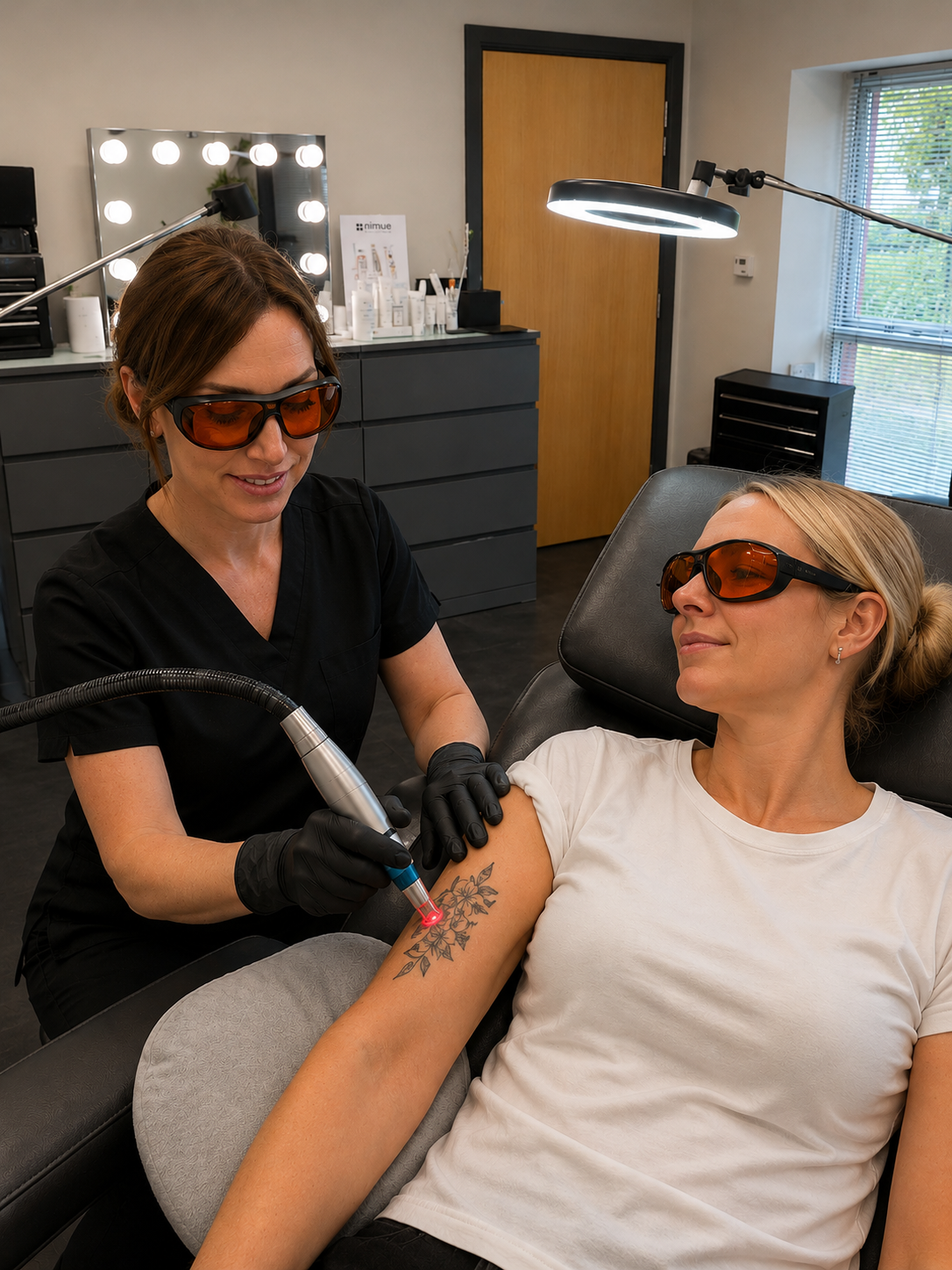
Safety is paramount in laser tattoo removal. The procedure uses precise lasers targeting the tattoo ink without harming surrounding skin. Before treatment, a consultation is crucial to tailor the process to your needs. During sessions, you’ll wear protective eyewear, and the laser will pulse over the tattoo. It might feel like a rubber band snapping against your skin, but most find it manageable. After, your skin might be red or swollen, much like a mild sunburn. Proper care ensures your skin stays healthy. For more insights, consult this detailed guide.
Preparing for Your Laser Sessions
As you get ready for your first laser session, some key steps can enhance your experience and results.
Steps Before Your First Appointment
Preparing well sets the foundation for successful laser tattoo removal. Here’s how you can get ready:
-
Consultation: Schedule a meeting with a laser specialist in Kent. This is where you’ll discuss your tattoo’s specifics and your goals.
-
Review Medications: Inform your practitioner about any medications. Some might affect your skin’s response.
-
Avoid Sun Exposure: Keep your tattoo out of the sun for at least two weeks before the session. Sunburned skin can complicate the process.
These steps help you start the journey with clarity and care.
Importance of a Patch Test
A patch test is a small but crucial step before full-scale treatment. It involves applying the laser to a small area of your tattoo to see how your skin reacts. This test ensures you’re not hypersensitive and helps in tailoring the treatment to your skin’s needs. It’s a safety measure that protects your skin and prepares you for what’s ahead. Patch tests are essential, ensuring that the full session runs smoothly and effectively.
Preparing Your Skin for Treatment
Caring for your skin before laser sessions can make a difference. Here’s what you can do:
-
Moisturise Regularly: Keep the area hydrated for at least a week before your appointment.
-
Avoid Irritation: Refrain from using harsh skincare products on the tattooed area.
-
Shave Carefully: If your tattoo is in a hairy area, shave gently a day or two before your session.
By following these steps, you’ll help your skin be ready for the treatment.
Aftercare and Long-term Considerations
Post-treatment care is as important as the sessions themselves, ensuring optimal results and skin health.
Tattoo Removal Aftercare Tips
Proper aftercare plays a critical role in healing. Right after a session, your skin will need some love:
-
Keep It Clean: Gently wash the area with mild soap and water. Pat dry with a soft towel.
-
Apply Ointment: Use a recommended ointment to keep the skin moist and aid healing.
-
Avoid Scratching: Even if it itches, don’t scratch. It might result in scarring.
These steps prevent infection and help your skin recover smoothly.
Number of Sessions Required
One common question is, “How many sessions for tattoo removal?” The answer varies. On average, expect 6 to 12 sessions, spaced 4 to 6 weeks apart. Factors like ink colour, tattoo age, and your skin type play roles in determining the exact number. Patience is key. Each session builds on the last, gradually lightening the tattoo. Consistency and follow-up are your allies in achieving desired results. For a deeper understanding, this guide offers insights into the process.
Achieving Natural-looking Results
The ultimate goal of laser tattoo removal is natural-looking skin. Your journey doesn’t end with the last session. Protect your skin from the sun and stay hydrated to maintain skin health. Over time, your body continues to clear the fragmented ink. Celebrate each stage of progress, knowing you’ve taken a thoughtful approach. Your confidence in your skin is a testament to the care and commitment you’ve shown. The journey might be long, but the reward of renewed skin is invaluable.
By understanding laser tattoo removal, preparing effectively, and caring for your skin, you can achieve the results you desire. If you’re ready to take the first step, consider reaching out for a consultation at Maidstone or Llanover (Abergavenny) to explore the possibilities of laser tattoo removal for yourself.