
Laser hair reduction isn’t a one-size-fits-all solution, yet many expect it to be. Your hormones, hair colour, and the area treated all shape how your skin responds. Understanding the difference between hair reduction and hair removal helps set realistic laser hair removal expectations, so you can make calm, confident choices that truly suit you. For more insights, visit WebMD.
Understanding Laser Hair Reduction
Laser hair reduction is often misunderstood, leading to myths about what it can achieve. Let’s unravel the nuances between reducing hair and removing it entirely.
Difference Between Reduction and Removal
Laser hair reduction targets the hair follicles, slowing down hair growth. Unlike hair removal, which implies complete and permanent absence, reduction means lessening the amount and thickness of hair over time. Most people notice a significant decrease in hair density after several sessions. Yet, it’s important to know that this doesn’t equate to permanent hairlessness. Regular maintenance can help sustain the results.
Realistic Laser Hair Removal Expectations
Managing expectations is crucial. While many hope for instant results, the reality is that laser treatments require patience. You might see some improvement after the first few sessions, but optimal results typically take multiple visits. The commitment to a series of sessions can lead to smoother skin and fewer ingrown hairs. Keep in mind that each body responds differently, and some areas may require more attention than others.
Hormones and Laser Hair Removal
Hormones play a pivotal role in hair growth, affecting laser outcomes. Variations, such as those experienced during perimenopause, can influence how well the treatment works. For instance, hormonal fluctuations may stimulate new hair growth even in areas previously treated. Understanding this can help manage your expectations and guide you in scheduling maintenance sessions when necessary.
Factors Influencing Laser Results
A variety of factors can impact the effectiveness of laser hair reduction. Let’s explore how hair colour, texture, and treatment area can alter results.
Blonde and Grey Hair Challenges
Laser treatments work best on dark hair because the laser targets melanin, the pigment in hair. Blonde and grey hair, lacking this pigment, can be less responsive to treatment. While some advancements have been made, results can vary significantly. Seeking a consultation with a specialist can provide tailored advice on what to expect with your specific hair colour.
Fine Hair vs Coarse Hair Laser
The texture of your hair also matters. Coarse, dark hair typically responds better to laser treatments than fine hair. This is because coarse hair contains more pigment for the laser to target. Fine hair, even if dark, may require more sessions to achieve visible results. Tailoring treatment plans to hair texture helps optimize outcomes.
Face and Body Laser Areas
Different areas of the body can respond differently to laser treatments. Facial hair, for instance, might need more frequent sessions due to hormonal influences. Body areas like the legs or arms usually require fewer treatments to maintain results. Understanding these differences can help set realistic goals and timelines for your laser journey.
Planning Your Laser Treatment
Proper planning is key to achieving satisfying laser hair reduction results. From session numbers to maintenance, here’s what you need to know.
How Many Laser Sessions Needed
The number of sessions varies based on individual factors such as hair density and area treated. On average, most people need between 6 to 8 sessions for optimal results. Each session should be spaced 4 to 6 weeks apart to align with the hair growth cycle. Consistency is crucial in achieving the desired outcome.
Importance of Patch Test Laser
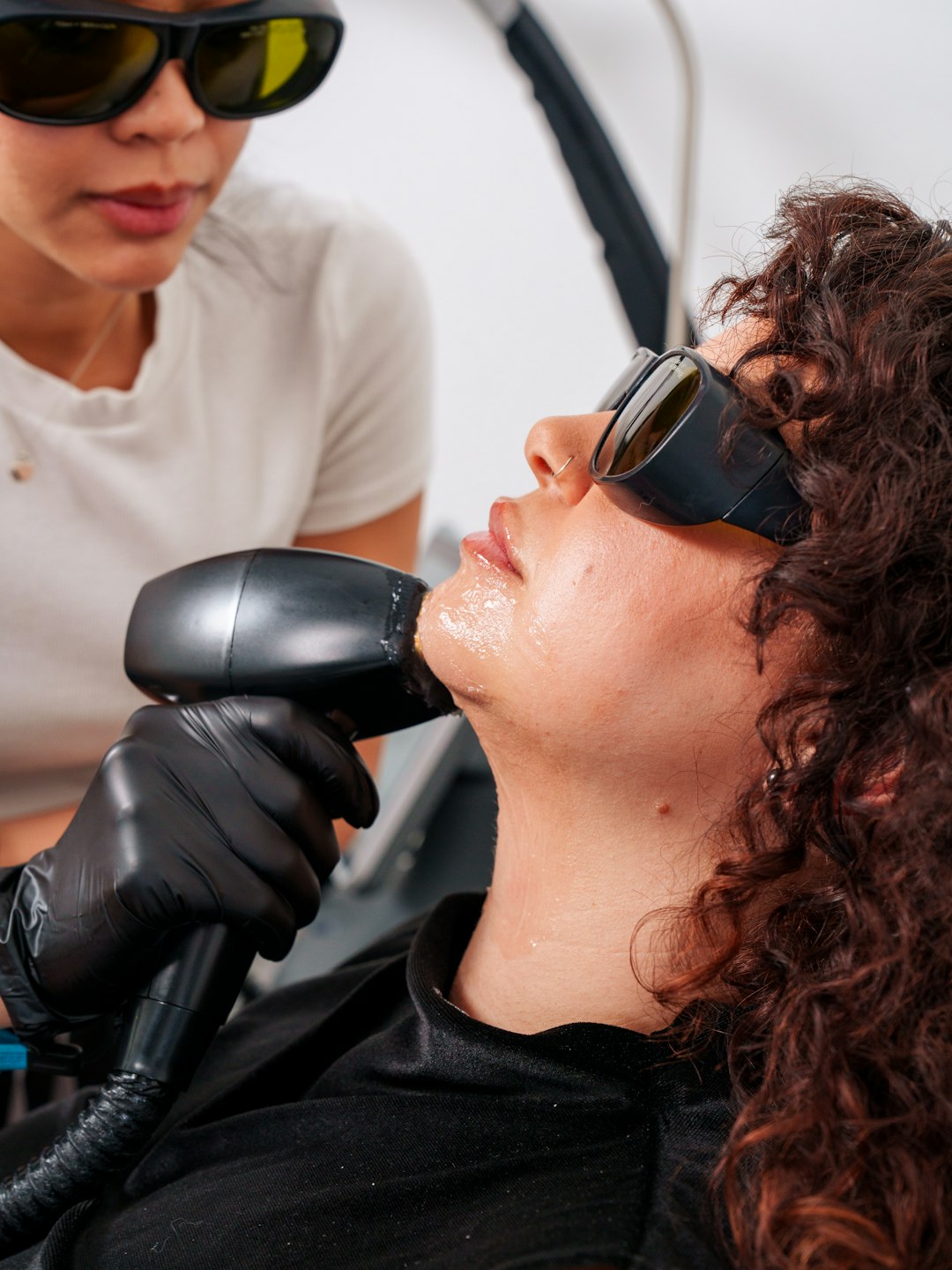
A patch test is a small trial of the laser treatment on a section of your skin. This step is essential to gauge how your skin reacts to the laser. It helps in identifying any adverse reactions and adjusting the treatment settings accordingly. Skipping this step can lead to unexpected results or discomfort during future sessions.
Maintenance Laser Sessions Explained
Even after completing the initial series of treatments, maintenance sessions are recommended. These are typically needed every 6 to 12 months to manage new hair growth influenced by hormonal changes. Regular maintenance helps sustain the results over the long term, giving you smoother skin consistently.
Frequently Asked Questions
What is the difference between laser hair removal and reduction?
Laser hair reduction decreases hair density and thickness, while removal implies permanent absence of hair. Reduction usually requires ongoing maintenance.
Does laser work on blonde or grey hair?
Laser treatments are less effective on blonde and grey hair due to lower melanin levels. Consult with a specialist to discuss your options.
How many laser sessions do I need?
Most people require 6 to 8 sessions, spaced 4 to 6 weeks apart, for optimal results. Individual needs may vary.
Do hormones affect laser hair removal?
Yes, hormonal changes, like those during perimenopause, can influence hair growth and affect treatment outcomes.
Why is a patch test important before laser treatment?
A patch test helps assess your skin’s reaction to the laser, ensuring safe and effective treatment settings.