
Permanent makeup for mature skin calls for a different approach than younger skin. As your skin changes, so do the techniques and expectations around subtle enhancement. In this guide, you’ll learn how treatments are carefully tailored to suit your unique features, what the healing process looks like, and why choosing a specialist who understands mature skin truly matters. For more insights, you can explore this link.
Understanding Permanent Makeup for Mature Skin
As you age, your skin changes, and so should your beauty routine. Understanding how permanent makeup adapts for mature skin is key to achieving natural results.
Adapting Techniques for Ageing Skin
Permanent makeup for those over 40 requires a tailored approach. Techniques are adjusted to account for changes in skin texture and elasticity. This ensures the results enhance your natural beauty rather than overpower it. Instead of the bold, defined lines often used on younger skin, mature skin benefits from softer, more subtle applications. This can include techniques like powder brows, which create a gentler look that complements your features.
Consulting with a specialist who understands these nuances is crucial. They can recommend the best options for your unique skin type and preferences. For more information on how these techniques change with age, visit this article.
Permanent Makeup Consultation Kent
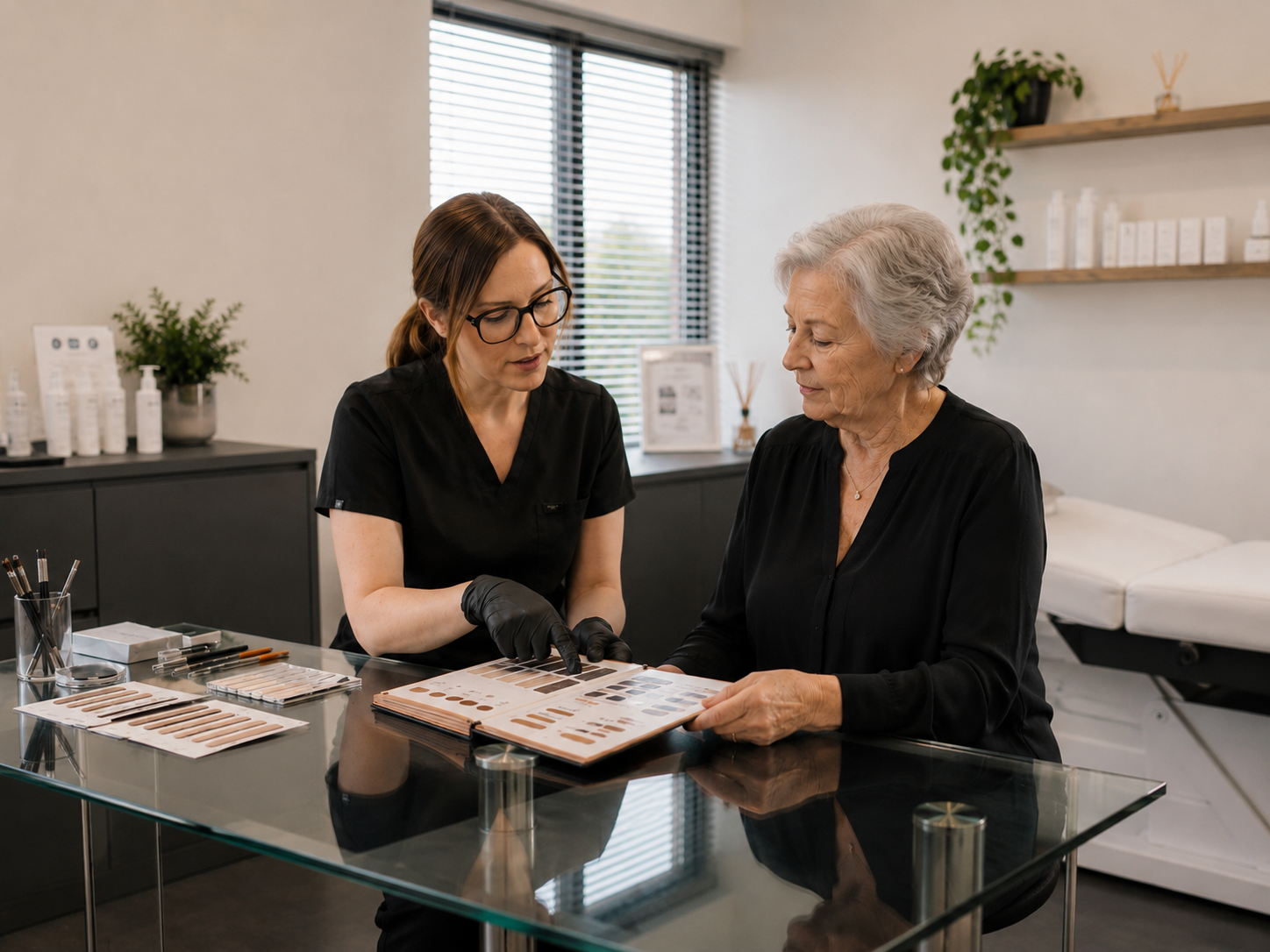
Having a consultation is an essential first step. This meeting allows your artist to assess your skin and understand your goals. It’s a chance to ask questions and discuss any concerns. A thorough consultation can lead to a more satisfying outcome, as it ensures that the treatment plan is tailored specifically to you. If you’re in Kent, scheduling a consultation with a trusted professional can be your first step toward achieving the natural enhancement you’re looking for.
Setting Realistic Expectations
When considering permanent makeup, it’s important to set realistic expectations. Understanding the process and what to expect can help you feel more confident and prepared.
Permanent Makeup Healing Guide
The healing process for permanent makeup is straightforward but requires patience. Initially, you might notice some redness and slight swelling, which is normal. Over the first few weeks, the colour will appear darker before it softens to its final shade. Proper aftercare is essential to ensure the best results. Keeping the area clean and moisturised will aid in healing and prevent complications. Avoiding sun exposure and not picking at scabs are also key steps. For a detailed guide on what to expect during the healing process, visit this post.
Patch Test Permanent Makeup
A patch test is a crucial step before undergoing any permanent makeup procedure. This test helps to ensure that you do not have an allergic reaction to the pigments used. It involves applying a small amount of pigment to your skin, usually behind the ear or on the forearm, and observing for any adverse reactions. This precautionary measure is an important part of the process, ensuring your safety and comfort.
Why Safety and Personalisation Matter
Safety and a personalised approach are at the heart of successful permanent makeup treatments. These elements ensure that your experience is not only positive but also yields the best possible results.
Long-lasting Natural Brows
Creating long-lasting, natural-looking brows involves selecting the right pigment and technique for your skin type and hair colour. Techniques such as machine brows can offer a soft, natural look that suits thinning brows often seen with age. Choosing a specialist who prioritises safety and personalisation means your brows will enhance your facial features without looking overdone. This approach helps to restore confidence and provide a subtle yet impactful enhancement.
Subtle Enhancement Brows
Subtle enhancement is the key to achieving a timeless look. Focus on enhancing your natural features rather than drastically changing them. This can involve techniques like soft shading and precise mapping to create brows that appear fuller and more defined yet still natural. For more on how permanent makeup can enhance your life, explore this link.
Frequently Asked Questions
What should I expect during my permanent makeup consultation?
During your consultation, your artist will discuss your goals, assess your skin, and plan your treatment. You’ll have the opportunity to ask questions and understand the process.
How long does it take for permanent makeup to heal?
Healing can take two to four weeks. Initially, expect some redness and swelling. The colour will appear darker before softening to its final shade.
Why is a patch test important before permanent makeup?
A patch test ensures safety by checking for allergic reactions to the pigments. It’s a simple step that can prevent discomfort and complications later.
Can permanent makeup be customised for mature skin?
Yes, techniques can be tailored to suit mature skin, enhancing natural beauty with softer lines and suitable pigment choices.
How do I care for my brows after a permanent makeup procedure?
Keep the area clean and moisturised, avoid sun exposure, and resist picking at scabs to ensure proper healing and optimal results.
This guide has explored the thoughtful adjustments made for mature skin, setting realistic expectations and the importance of safety and personalisation.