
After 40, your skin can start to feel more reactive in ways that catch you off guard. This change often stems from shifts in your skin barrier and how it responds to everyday products and treatments. Understanding these shifts helps you choose mature skin treatments that support your skin’s natural balance and offer gentle care tailored to your needs. Learn more.
Understanding Reactive Skin Over 40
As you age, your skin undergoes various changes, leaving it feeling more sensitive. Let’s explore why this happens and how lifestyle choices impact your skin.
Why Skin Becomes Sensitive After 40
After turning 40, hormonal changes can lead to a thinner skin barrier, making it more susceptible to irritation. Collagen production decreases, affecting firmness, while the slowing down of cell turnover can result in dryness and dullness. These changes can cause your skin to react more to products and environmental factors. It’s essential to recognise these shifts to adjust your skincare routine accordingly.
The decline in natural oil production also contributes to sensitivity. This can leave your skin feeling tight or flaky. As a result, it might not tolerate products that were once well-suited to your needs. Being gentle and choosing the right treatments becomes crucial to maintaining healthy skin.
Impact of Lifestyle and Product Choices
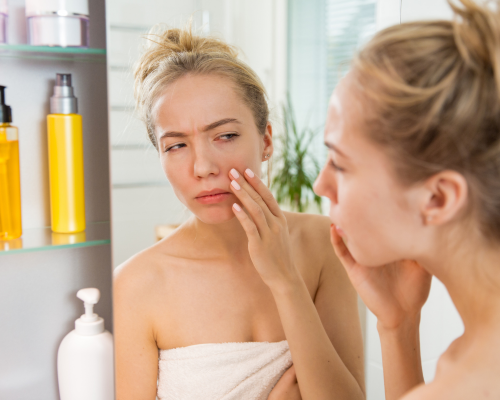
Your lifestyle and the products you use can significantly affect your skin’s sensitivity. Factors like stress, diet, and exposure to pollutants can weaken the skin barrier. Using harsh products or over-exfoliating might exacerbate sensitivity, causing redness or irritation. It’s vital to adopt a routine that prioritises skin health.
When selecting products, look for those that are fragrance-free and formulated for mature skin. Avoid ingredients that can strip the skin of its natural oils. Opting for nourishing, hydrating options can support your skin’s resilience over time. Explore skincare advice for your 40s.
Selecting Treatments with Care
Choosing the right treatments is essential for maintaining healthy skin over 40. Let’s delve into the importance of supporting your skin barrier and explore some gentle treatment options.
Importance of Skin Barrier Support
Supporting your skin barrier is key to managing sensitivity. A strong barrier helps retain moisture and protect against irritants. Look for products containing ceramides and fatty acids, which can help reinforce this protective layer. Keeping your skin barrier intact reduces the likelihood of adverse reactions.
Hydration is also crucial. Using moisturisers that contain hyaluronic acid can help bind moisture to your skin, keeping it plump and resilient. Remember, a well-nourished skin barrier is less likely to become reactive. Discover dermatologist advice on skincare in your 40s.
Gentle Resurfacing and Microneedling
Gentle resurfacing treatments, such as mild chemical peels, can offer rejuvenation without aggravating your skin. These treatments help remove dead skin cells, promoting a brighter complexion. It’s essential to choose options that are specifically designed for mature skin to avoid irritation.
Microneedling offers a wonderful way to gently rejuvenate your skin, helping you feel more confident and comfortable in your natural beauty. This treatment involves the use of tiny needles to create micro-injuries in the skin, which in turn stimulate the production of collagen and elastin, key components in maintaining a youthful appearance.
For those over 40, microneedling can be especially beneficial as it addresses common concerns like fine lines, wrinkles, and uneven skin texture without overwhelming sensitivity. By promoting your skin’s natural healing process, it offers a trustworthy and effective solution for achieving smoother, more resilient skin. Tailored Solutions for Mature Skin
Customising your skincare approach can help address the unique needs of mature skin. Let’s look at how permanent makeup and consultations can offer personalised care.
Permanent Makeup for Mature Skin
Permanent makeup can be a fantastic solution for those seeking subtle enhancement. It offers a way to define features like eyebrows and lips without the daily application of cosmetics. This approach prioritises natural-looking results, respecting your skin’s uniqueness.
Choosing a practitioner experienced in working with mature skin is essential. They understand the nuances of skin texture and tone, ensuring the outcome complements your natural beauty.
Consultation and Patch Testing Process
A thorough consultation is a vital step before undergoing any treatment. It provides an opportunity to discuss your goals and assess your skin’s condition. Patch testing is equally important. It helps identify any potential reactions, ensuring the chosen treatments are safe and effective for you.
During a consultation, a professional will listen to your concerns and recommend treatments that align with your needs. This personalised approach ensures you receive care that respects your skin’s individuality. Always prioritise working with specialists who value safety and expertise.
Frequently Asked Questions
Why does skin become more sensitive after 40?
The skin becomes more sensitive after 40 due to hormonal changes that thin the skin barrier. Reduced collagen and oil production also contribute to increased sensitivity, making it essential to choose gentle, nourishing products.
What lifestyle changes can help with sensitive skin after 40?
Adopting a skincare routine that prioritises hydration and protection can help. Use fragrance-free products, avoid harsh ingredients, and maintain a healthy diet to support your skin’s resilience and minimise sensitivity.
What are some gentle treatment options for mature skin?
Gentle resurfacing treatments, like mild chemical peels, and LED light therapy are excellent options for mature skin. These treatments offer rejuvenation and healing without aggravating sensitivity, ensuring safe and effective results.