
Laser treatments might seem like one simple option, but the numbers behind them tell a different story. Understanding what 1064nm laser means or why 532nm lasers and IPL work differently can help you make safer, more natural choices for your skin and tattoos. This guide will explain how light interacts with pigment and why choosing the right technology matters for results you can trust.
Understanding Laser Wavelengths
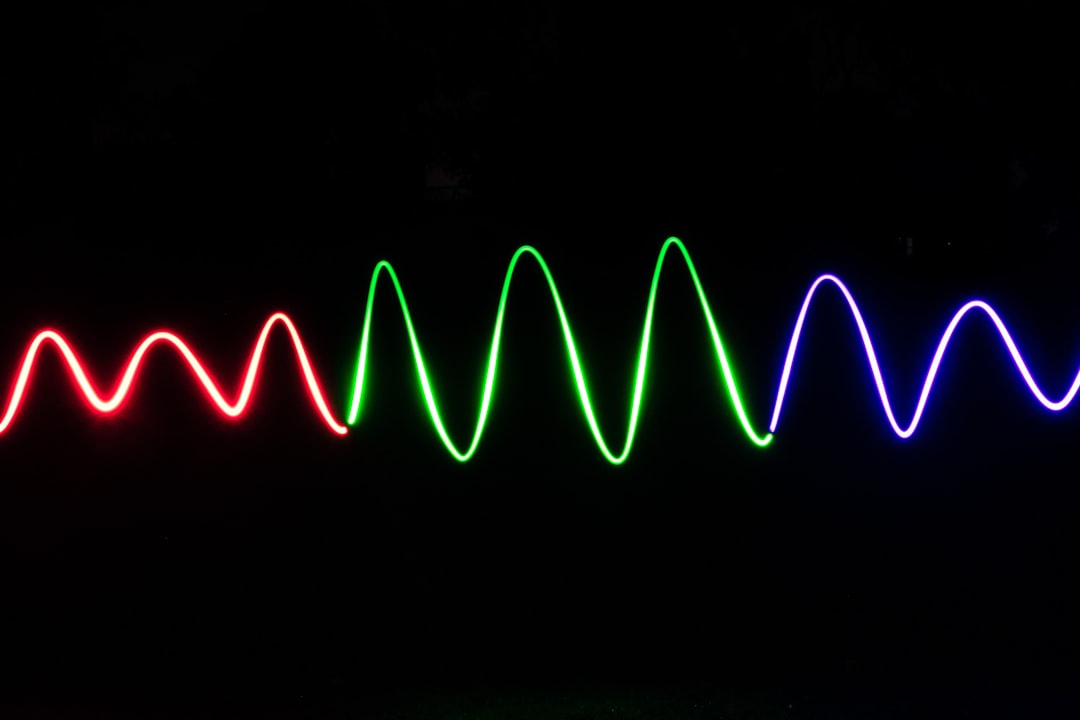
When it comes to laser treatments, the numbers represent wavelengths. Each wavelength interacts with your skin differently. Understanding how each one works helps you make informed decisions for your treatments.
532nm Laser Explained
The 532nm laser is often used for specific tattoo colours, like red or orange. It works by emitting a green light that targets these pigments effectively. This wavelength is particularly useful for lighter ink colours. The light energy breaks down the ink particles, making them small enough for your body to naturally remove over time.
Some people find this wavelength to be quite effective for certain skin types. However, it may not be suitable for darker skin tones due to risks of pigmentation changes. Always consult with a professional to ensure it’s the right choice for your needs.
What Does 1064nm Laser Mean
The 1064nm laser is a powerhouse for darker pigments. It uses a longer wavelength, allowing it to penetrate deeper into the skin. This makes it ideal for removing dark and black inks. It’s also safer for a wider range of skin tones compared to shorter wavelengths.
The 1064nm laser works by targeting the ink particles without affecting the surrounding tissue. This makes it a preferred choice for many looking to remove tattoos or treat skin conditions. Check with a specialist to see if this wavelength aligns with your treatment goals.
Nanometres and Light Wavelength
Wavelengths are measured in nanometres, which determine how deep the laser penetrates the skin. Shorter wavelengths like 532nm target surface-level pigments, while longer wavelengths like 1064nm reach deeper layers. This distinction is crucial for effective treatment.
By understanding these measurements, you can better assess which laser treatment is appropriate for your specific needs. Whether it’s tattoo removal or skin rejuvenation, knowing your options can lead to safer and more satisfying results.
IPL vs Laser Treatments
Choosing between IPL and laser treatments can seem overwhelming. Each has its unique strengths and applications. Knowing the difference helps you select the right treatment for your skin and hair goals.
IPL vs Laser Difference
IPL, or Intense Pulsed Light, emits a spectrum of light, while lasers focus on a single wavelength. This makes IPL versatile for treating broader areas like hair removal or skin rejuvenation. However, lasers are more precise, targeting specific pigments with greater accuracy.
While IPL is effective for some skin concerns, lasers are generally preferred for targeted treatments like tattoo removal. They offer a more focused approach, which can lead to better results for specific issues.
How Lasers Target Pigment
Lasers work by emitting light absorbed by the pigment in the skin or ink. This light converts into heat, breaking the pigment aggregates into smaller particles. The body then eliminates these particles naturally.
This targeted method ensures that only the pigment is affected, leaving the surrounding skin untouched. It’s why lasers are so effective for tasks like tattoo removal and treating pigmentation issues.
Skin Pigment and Laser Interaction
The way lasers interact with skin pigment varies. Darker skin has more melanin, which can absorb more laser energy. This makes choosing the right wavelength crucial to avoid unwanted side effects.
Consulting with a laser specialist helps determine the best treatment plan. They can tailor the laser type to your skin tone, ensuring safe and effective results.
Choosing the Right Technology

Different lasers serve different purposes. Picking the right technology is key for achieving the desired outcome safely. Let’s explore why certain lasers work better for specific colours and conditions.
Why Different Lasers for Different Colours
Different tattoo inks absorb different wavelengths. For example, red inks absorb green light, making the 532nm laser a good choice. Meanwhile, darker inks respond better to the 1064nm laser.
Knowing which laser suits your tattoo colours can enhance the removal process. It reduces the number of sessions needed and minimises risks.
Tattoo Ink Colours and Lasers
Tattoo ink colours vary, and so do the lasers used to remove them. Green, blue and yellow are among the hardest to remove, while dark colours and black are easier. Multi-colour tattoos may require multiple lasers or methods to be effective.
Consult with a professional to plan your tattoo removal journey. Understanding the interaction between ink colour and laser type sets realistic expectations and outcomes.
Safe Laser Tattoo Removal in Kent and South Wales
For those considering laser tattoo removal, Kent and South Wales offer reputable clinics. Safe practices and expert guidance ensure a positive experience. Professionals will assess your tattoo and recommend the best laser technology for your needs.
Remember, laser tattoo removal is a journey. It may require multiple sessions, but with the right approach, you can achieve satisfying results.
Frequently Asked Questions
What does 1064nm laser mean?
The 1064nm laser is a type of laser that uses a longer wavelength to penetrate deeper into the skin. It’s especially effective for removing dark pigments like black and dark blue inks.
What’s the difference between IPL and laser?
IPL emits a broad spectrum of light, making it versatile for various treatments, while lasers use a single wavelength for precise targeting. Lasers are often more effective for specific tasks like tattoo removal.
Why are different lasers used for different colours?
Different tattoo colours absorb different wavelengths of light. Using the correct laser for each colour ensures effective and safe treatment, with fewer sessions required.
How do lasers target pigment?
Lasers emit light absorbed by the pigment in the skin or ink. This light turns into heat, breaking down the pigment, which the body then removes naturally.
Is laser tattoo removal safe for all skin types?
Laser tattoo removal can be safe for many skin types, but it’s essential to choose the right wavelength to minimize risks. Consulting with a professional ensures a tailored approach suited to your skin tone.