
Patch testing often feels like just another step to tick off before your treatment, but it’s far from a box-ticking exercise. Whether you’re preparing for laser, skin treatments, or cosmetic and medical tattooing procedures, this small test reveals how your skin handles light, heat, and pigment. This information guides safe, bespoke treatment settings tailored to you. Understanding what we look for and why protocols vary can give you real peace of mind before your appointment at our Maidstone or Llanover clinics. For more insights, check out this post..
Understanding Patch Testing
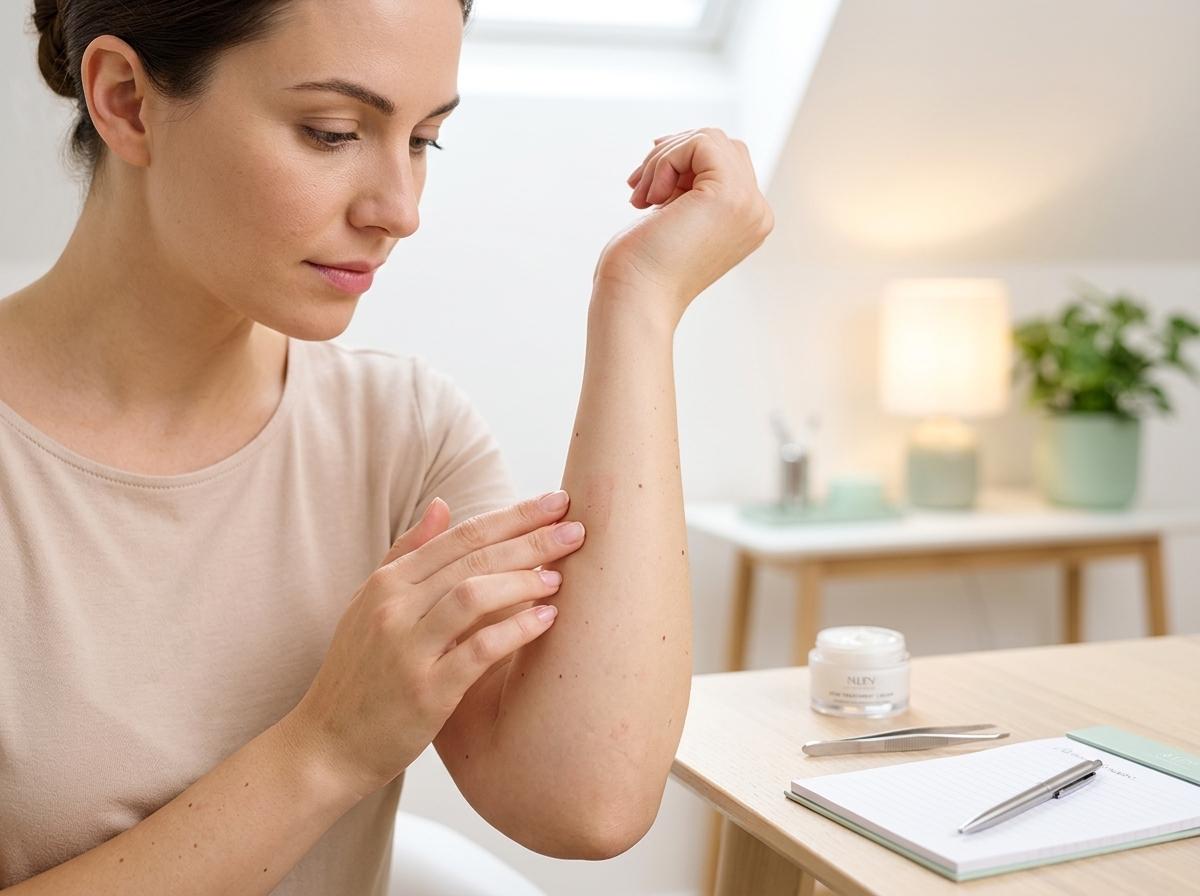
Patch testing is much more than a preliminary step. It’s about ensuring your skin’s safety and comfort during treatments like laser treatment. Let’s explore why this is crucial for successful outcomes.
Importance of Patch Testing
Patch testing is key to safe and effective results. It tells us how your skin might react to treatments. By doing this, we tailor the approach to suit your unique needs, ensuring comfort and safety throughout the process.
Common Misconceptions
Many think patch tests are just formalities. But they are vital in avoiding surprises during treatments. These tests can prevent discomfort and help tailor sessions for optimal results, ensuring your peace of mind.
Key Aspects of Patch Testing
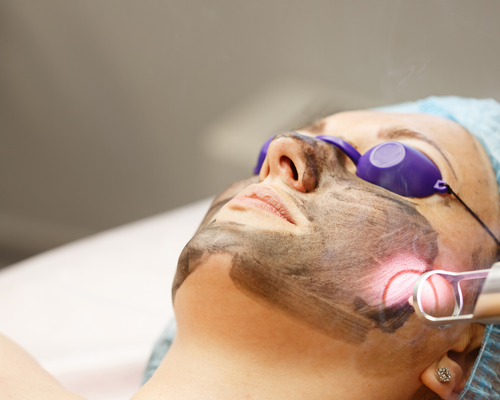
Understanding how your skin responds to different stimuli is crucial. Here, we look at the essential factors considered during a patch test, focusing on skin sensitivity and reactions to light and heat.
Skin Sensitivity and Tolerance
Every skin is unique. Patch tests help gauge your skin’s sensitivity levels, which can vary widely. Some people have more reactive skin, which needs careful handling to avoid irritation or redness. This understanding helps in creating a treatment plan that respects your skin’s limits, ensuring a smoother experience.
Light and Heat Response
How your skin reacts to light and heat is critical, especially with procedures like laser and IPL. Patch tests assess these reactions, allowing us to adjust the intensity and duration of treatments. This step is crucial in delivering safe and effective results, enhancing your skin’s appearance without discomfort.
Patch Testing Protocols
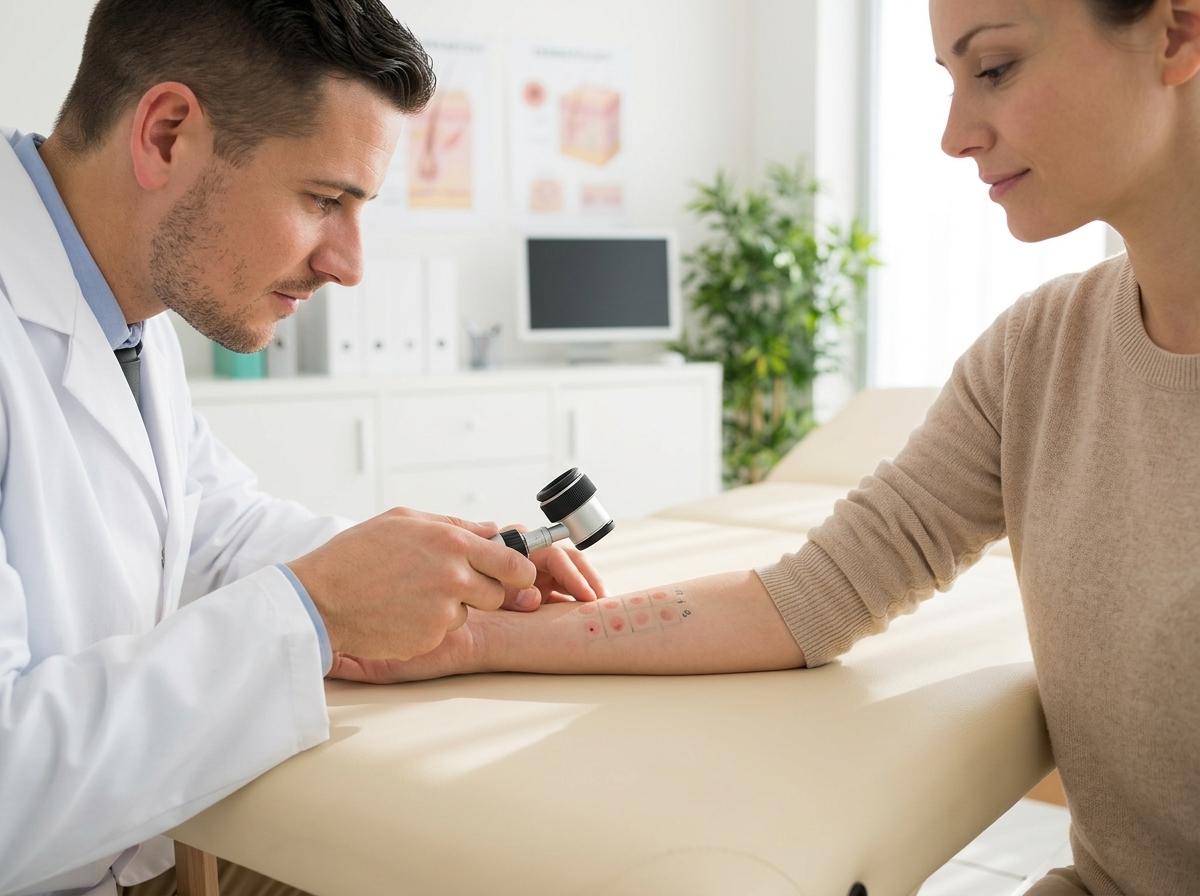
Different treatments require specific patch test protocols. Understanding these variations can demystify the process, allowing you to approach your appointments with confidence.
Laser Patch Tests
Laser treatments target skin concerns through light energy. A laser patch test ensures that your skin can handle the procedure without adverse effects. The test assesses your skin’s reaction, helping tailor the treatment to avoid discomfort and enhance results. This careful approach is key to achieving the desired outcome safely.
Permanent Makeup and Pigment Procedures
Permanent makeup procedures, including microblading, lip and eyeliner tattoo patch tests, rely heavily on pigment application. Patch tests determine pigment sensitivity, avoiding unwanted reactions. This step is essential for achieving natural-looking results, ensuring that the chosen pigments work harmoniously with your skin tone and type.
Frequently Asked Questions
Why is a patch test necessary before laser treatments?
A patch test checks your skin’s reaction to laser treatment, ensuring safety and comfort. It helps tailor the procedure to your skin type, reducing the risk of irritation.
What happens if my skin reacts during a patch test?
If your skin shows an adverse reaction, the treatment plan will be adjusted. This might involve changing the treatment type or intensity to ensure it’s safe and comfortable for you.
How long before my appointment should I do a patch test?
Patch tests are usually done at least 24-48 hours before treatment. This timeframe allows any reactions to be fully assessed, ensuring your upcoming session is safe.
Patch testing is a thoughtful step in ensuring the best care and results for your skin. By understanding your skin’s needs, we can provide a tailored, comfortable experience that enhances your natural beauty safely.