
Permanent makeup is more than just a cosmetic choice; it’s a commitment that unfolds over weeks and months. From the first consultation and bespoke brow design to the subtle shifts during healing stages, there’s much that only becomes clear once you’ve experienced it yourself. Understanding the journey ahead, from patch tests to aftercare and colour boosts, helps you make a confident decision about natural-looking results that suit your over 40 skin. For more insights, you can explore discussions on this topic here.
Understanding Permanent Makeup
Embracing permanent makeup is a thoughtful choice that involves more than just the decision to proceed. It starts with understanding the process and its stages to ensure the best outcomes for your over 40 skin.
Consultation Process Explained
The first step in your permanent makeup journey is the consultation. Here, you and your artist will discuss your goals, preferences, and any concerns. It’s crucial to be open about your skincare routine, any previous treatments, and your daily habits. This dialogue ensures that the bespoke brow design aligns with your expectations and lifestyle.
During the consultation, the artist will assess your features and discuss the best approach for natural-looking results. You’ll explore different styles, shapes, and colours, ensuring the final look enhances your appearance without overpowering your natural features. This stage sets the tone for the rest of your journey, so take your time to ask questions and clarify any doubts.
Importance of Patch Testing
Patch testing is an essential step that shouldn’t be overlooked. This process determines how your skin reacts to the pigments used in permanent makeup. Even if you’ve never had a reaction to cosmetics before, it’s vital to proceed with this test. It helps prevent any unexpected allergic reactions that could occur after the procedure.
Your artist will apply a small amount of pigment to your skin, typically behind your ear or on your forearm. You’ll need to monitor this area for any signs of irritation over the next 24 to 48 hours. If everything looks clear, you’re ready to move forward with confidence, knowing that you’re taking steps to protect your skin’s health.
Mapping Your Features
Mapping is a detailed process where your artist outlines the precise areas for pigment application. This ensures symmetry and balance, tailored specifically to your face. Using specialised tools, your artist will draw guidelines on your skin, allowing you to visualise the final outcome.
This stage is collaborative: your feedback is crucial to achieving a look that feels authentic to you. The goal is to highlight your natural beauty, providing subtle enhancements that complement your existing features. By taking the time to map your features, you’re investing in results that feel both natural and transformative.
The Healing Journey
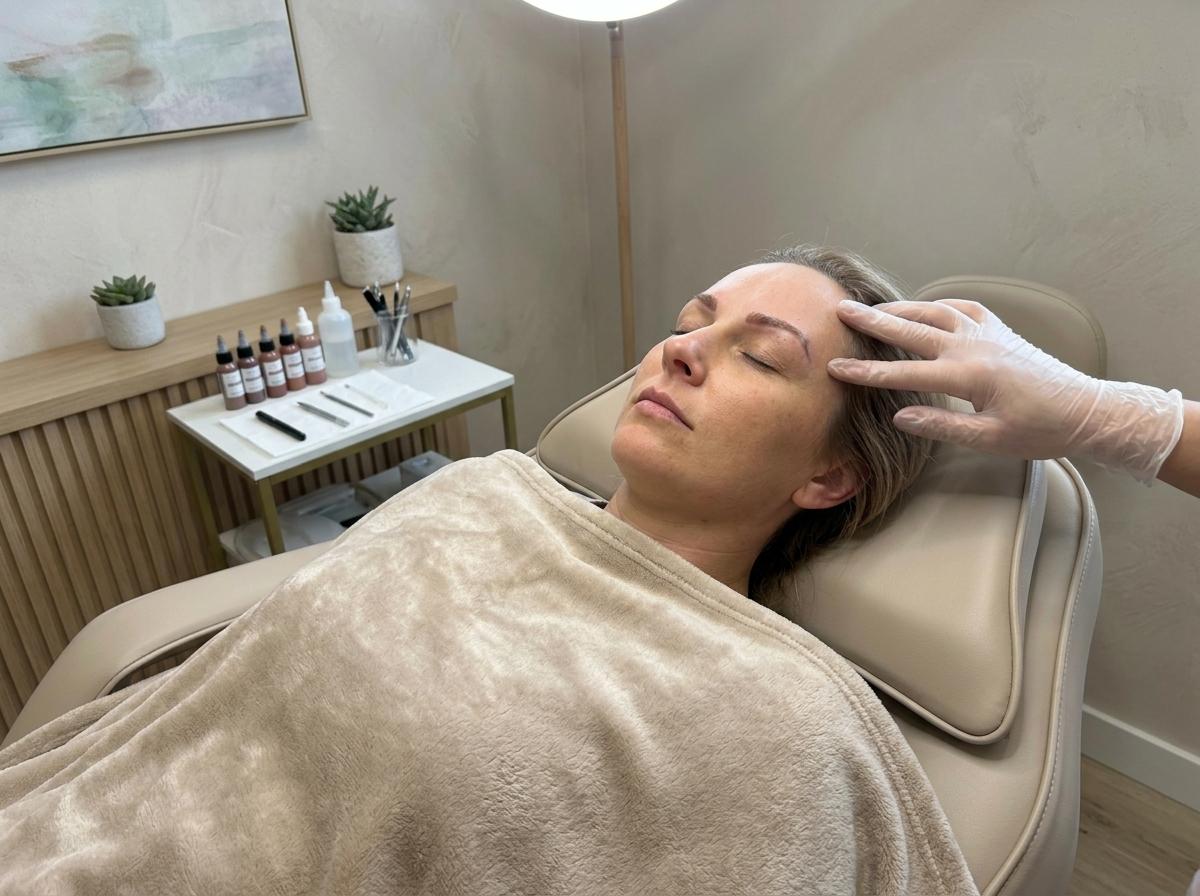
Once your permanent makeup is applied, the healing journey begins. This phase is as important as the procedure itself, influencing the final healed results and your satisfaction.
Initial Healing Stages
Immediately after your procedure, expect some redness and swelling. This is a normal part of the healing process. In the first week, the area may appear darker than anticipated. This is temporary, as the pigment will soften over time.
During this initial stage, it’s essential to follow your artist’s aftercare instructions. Avoid touching the area and refrain from applying makeup directly on it. Allow your skin to heal naturally, ensuring the best possible outcome. Remember, patience is key; the longer you wait, the more beautiful the results.
Managing Colour Changes
As your skin begins to heal, you may notice changes in the colour of your permanent makeup. This is a normal process, with the pigment settling into your skin over several weeks. Initially, the colour may appear more intense, but it will gradually soften to a more natural tone.
It’s important to keep in mind that everyone’s skin heals differently. Factors such as your skin type, lifestyle, and even the weather can influence how the colour settles. If you have any concerns, don’t hesitate to reach out to your artist for reassurance and advice.
Effective Aftercare Tips
Proper aftercare is crucial for maintaining the longevity and appearance of your permanent makeup. Gently cleanse the area with a mild soap and water, avoiding any harsh scrubbing or exfoliation. Moisturise with a recommended product to keep the skin hydrated and supple.
Avoid direct sunlight, saunas, and swimming pools for the first few weeks. These can disrupt the healing process and affect the final results. Following these aftercare tips will help ensure your permanent makeup remains vibrant and beautiful for years to come.
Maintaining Your Look
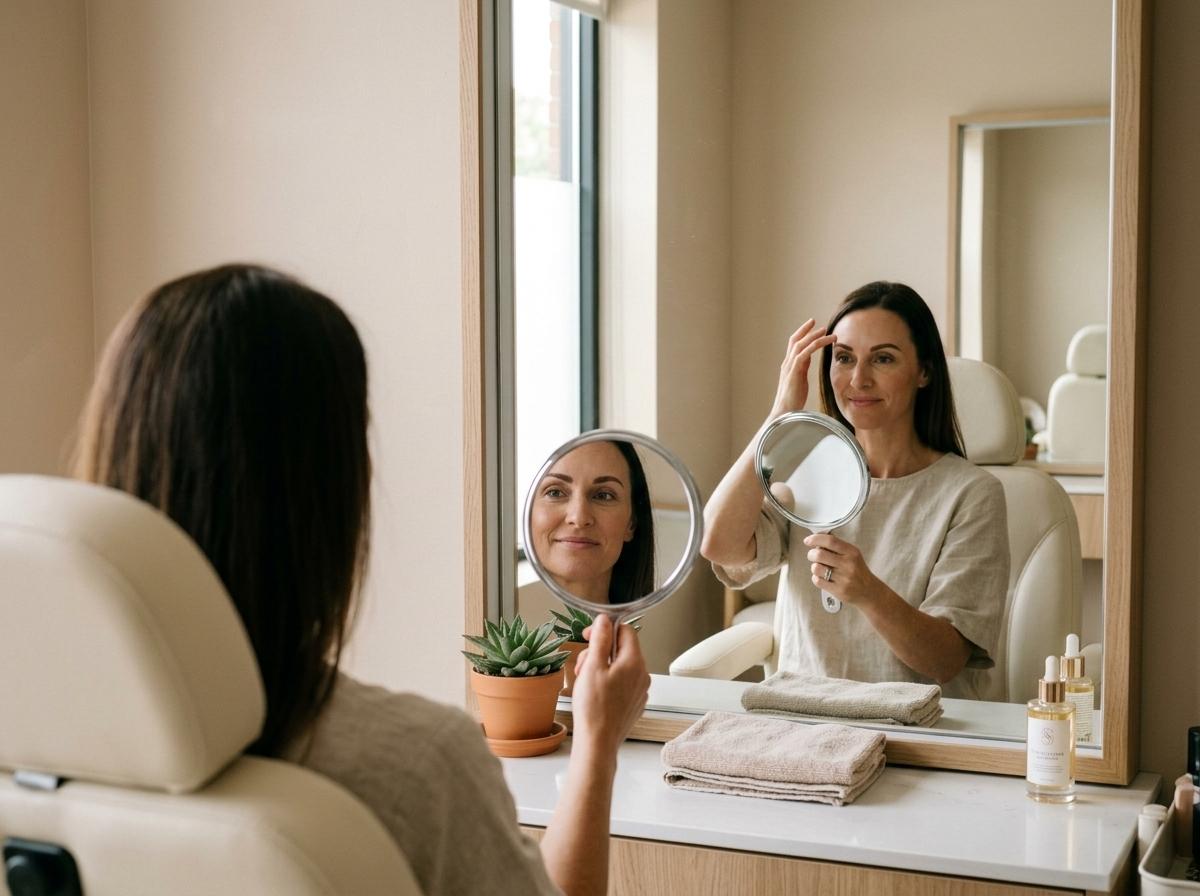
Long-term care is vital for keeping your permanent makeup looking fresh and natural. Understanding the maintenance process will help you enjoy lasting results.
Long-term Colour Boosts
Over time, the pigment in your permanent makeup may fade due to sun exposure, skincare products, and natural skin turnover. To keep your look vibrant, consider scheduling colour boosts every 12 to 18 months. This top-up appointment helps maintain the intensity and shape of your makeup, ensuring it continues to enhance your features.
Regular colour boosts are a simple way to keep your permanent makeup looking its best. They offer the opportunity to adjust the shade or shape if your preferences change over time. By staying proactive with your maintenance, you ensure the longevity of your investment.
Realistic Maintenance Plans
Having a realistic maintenance plan is essential for achieving long-term satisfaction with your permanent makeup. Discuss with your artist about the expected lifespan of your specific treatment and the steps you can take to prolong its effects.
Your plan should include regular check-ins with your artist and adherence to sun protection and skincare recommendations. This proactive approach not only preserves your results but also keeps the overall health of your skin in focus, ensuring you always look your best.
Evaluating Artists and Results
Choosing the right artist is crucial for achieving the desired outcome with your permanent makeup. Look for professionals with proven experience, a portfolio of past work, and positive client testimonials. Take the time to evaluate their artistic style and whether it aligns with your vision for natural-looking results.
It’s important to trust your instincts; a professional should make you feel comfortable and confident throughout the process. By investing time in finding the right artist, you’re setting yourself up for a successful and satisfying experience.
Frequently Asked Questions
What should I look for in a permanent makeup artist?
Look for experience, client testimonials, and a style that aligns with your preferences. It’s crucial to feel comfortable and well-informed during the consultation process.
How long does permanent makeup last?
Permanent makeup can last anywhere from one to three years, depending on factors like skin type, lifestyle, and maintenance routines. Regular colour boosts can help maintain the desired look.
Is patch testing always necessary before permanent makeup?
Yes, patch testing is crucial to ensure you don’t have an allergic reaction to the pigment. It’s a simple precaution that can prevent discomfort and complications.
How soon can I resume my regular skincare routine after the procedure?
It’s best to wait until the initial healing stages are complete, typically around two weeks. Always follow your artist’s aftercare instructions for the best outcome.
Can I still wear regular makeup over my permanent makeup?
Yes, once healed, you can wear regular makeup to enhance your look further. However, during the healing process, avoid applying makeup directly to the treated area.