
Medical tattooing and cosmetic tattooing might seem similar at first glance, but they serve very different purposes and require distinct approaches. When the skin you’re working on has been affected by surgery, scarring, or medical treatment, the techniques and pigments used must be chosen with care. Understanding these differences helps you make informed decisions and feel confident about the best path for your needs. Let’s explore what sets medical tattooing apart and why it matters for your skin’s health and your natural-looking results. Read more here.
Understanding Medical vs Cosmetic Tattooing
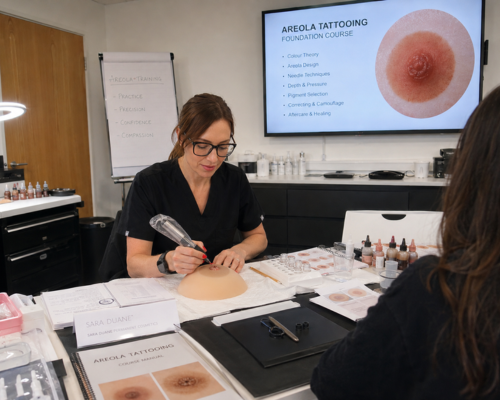
Exploring the differences between medical and cosmetic tattooing is crucial. Each serves unique purposes, tailored to specific needs and outcomes.
Different Tissues, Different Needs
Medical tattooing often involves working on skin affected by surgery or scarring. The tissue here can be delicate or compromised, demanding a gentle approach. Cosmetic tattooing, meanwhile, usually targets healthy skin to enhance features like eyebrows or lips. Understanding these differences in tissue is vital for achieving the desired outcome. For instance, medical tattooing can help with areola reconstruction or scar camouflage, providing a sense of normalcy and confidence.
Intent and Purpose Clarified
The intent behind each type of tattooing varies significantly. Medical tattooing aims to restore and recreate, often for those recovering from surgery. It’s a powerful tool for emotional healing, helping individuals feel whole again. Cosmetic tattooing, on the other hand, focuses on enhancing natural beauty. Whether it’s microblading to define brows or adding a subtle lip blush, the goal is to accentuate, not alter.
Planning for Safety and Success
Safety is paramount in both practices, but planning differs. Medical tattooing requires a deep understanding of the client’s medical history and skin condition. Pre-treatment consultations ensure that the approach is tailored to individual needs. Cosmetic tattooing also involves planning, but with a focus on aesthetic preferences and achieving a natural look. Success in both areas depends on clear communication and expert application.
Techniques and Pigments in Focus
The techniques and pigments used in tattooing play a crucial role in the final result. Let’s delve into how they differ between medical and cosmetic practices.
Specialised Techniques for Medical Tattooing
Medical tattooing calls for techniques that cater to sensitive skin. It often involves creating realistic textures and colours that blend seamlessly. The process might include multiple sessions for optimal results. For example, when performing an areola reconstruction tattoo, artists meticulously match the natural pigment and texture to ensure a lifelike appearance. In contrast, cosmetic tattooing techniques like microblading or eyeliner tattooing are designed to enhance and define existing features.
Pigment Selection and Colour Theory
Pigment selection is a critical component. Medical tattooing utilises pigments that match the client’s natural skin tone. This ensures the tattoo blends in and appears as natural as possible. Colour theory plays a key role, requiring a keen understanding of undertones and how they interact with the skin. Cosmetic tattooing, however, might involve bolder pigment choices to make features pop, requiring a different approach to colour theory.
Design Intent: A Natural Approach
The design intent in medical tattooing is to restore and mimic natural elements. It’s about creating results that are indistinguishable from the original. Cosmetic tattooing, while also aiming for natural-looking results, may allow for a more artistic expression. The goal is to enhance existing features subtly, such as through a soft eyeliner tattoo or a natural-looking lip blush.
Planning and Aftercare Essentials
Planning and aftercare are essential for achieving the desired outcomes and ensuring the longevity of the tattoos. Let’s explore the key aspects involved.
Comprehensive Consultations and Assessments
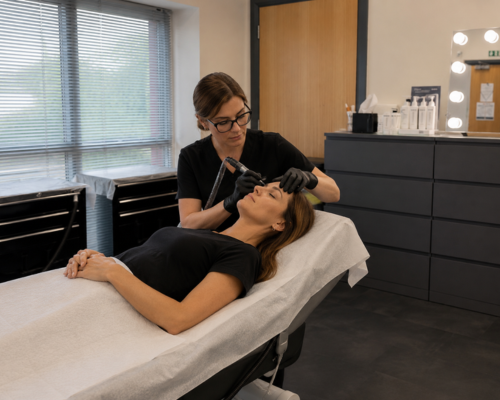
Comprehensive consultations set the foundation for successful tattooing. In medical tattooing, discussing medical history and expectations is crucial. Artists assess the skin’s condition and plan the procedure accordingly. For cosmetic tattooing, consultations focus on aesthetic goals, colour preferences, and shaping techniques. Both require a detailed understanding to tailor the approach to each client.
Tailored Aftercare for Healing
Aftercare is a vital part of the tattooing process. Medical tattoos need specialised care to ensure proper healing, such as avoiding sun exposure and using specific ointments. Cosmetic tattoos also require aftercare, including keeping the area clean and moisturised. Both types benefit from careful aftercare to preserve the tattoo’s appearance and promote skin health.
Ensuring Comfort and Confidence
Ensuring comfort and confidence is the ultimate goal. Through expert planning, tailored techniques, and personalised aftercare, clients can feel assured in their decision. Whether restoring a sense of normalcy with medical tattooing or enhancing natural beauty through cosmetic work, the focus remains on achieving outcomes that empower and satisfy.
Frequently Asked Questions
What is the main difference between medical and cosmetic tattooing?
Medical tattooing focuses on restoring appearance after medical procedures, while cosmetic tattooing enhances natural features like eyebrows or lips.
How does pigment selection differ in medical and cosmetic tattooing?
Medical tattooing uses pigments that match natural skin tones, ensuring a seamless blend. Cosmetic tattooing may use a wider range of colours to enhance features.
Why is aftercare important for both types of tattooing?
Aftercare ensures proper healing and longevity of the tattoo. It helps maintain the tattoo’s appearance and supports skin health, crucial for both medical and cosmetic tattoos.
Can cosmetic tattooing be used for medical purposes?
While cosmetic techniques can sometimes be applied to medical needs, medical tattooing requires specific skills to address sensitive or compromised skin effectively.
Is medical tattooing painful?
Pain levels vary based on individual sensitivity and the area being tattooed. Techniques and care are used to minimise discomfort during the procedure.