

As summer fades, you might notice pigmentation and sun spots becoming more visible once your tan lifts. This is a common shift as uneven skin tone and sun damage come forward in autumn skin care. Before considering laser for pigmentation or skin treatments, a thorough skin assessment and patch test are essential to understand what your skin truly needs. Let’s explore why these steps matter and how they guide safe pigmentation treatment with natural-looking results.
Why Pigmentation Becomes Visible
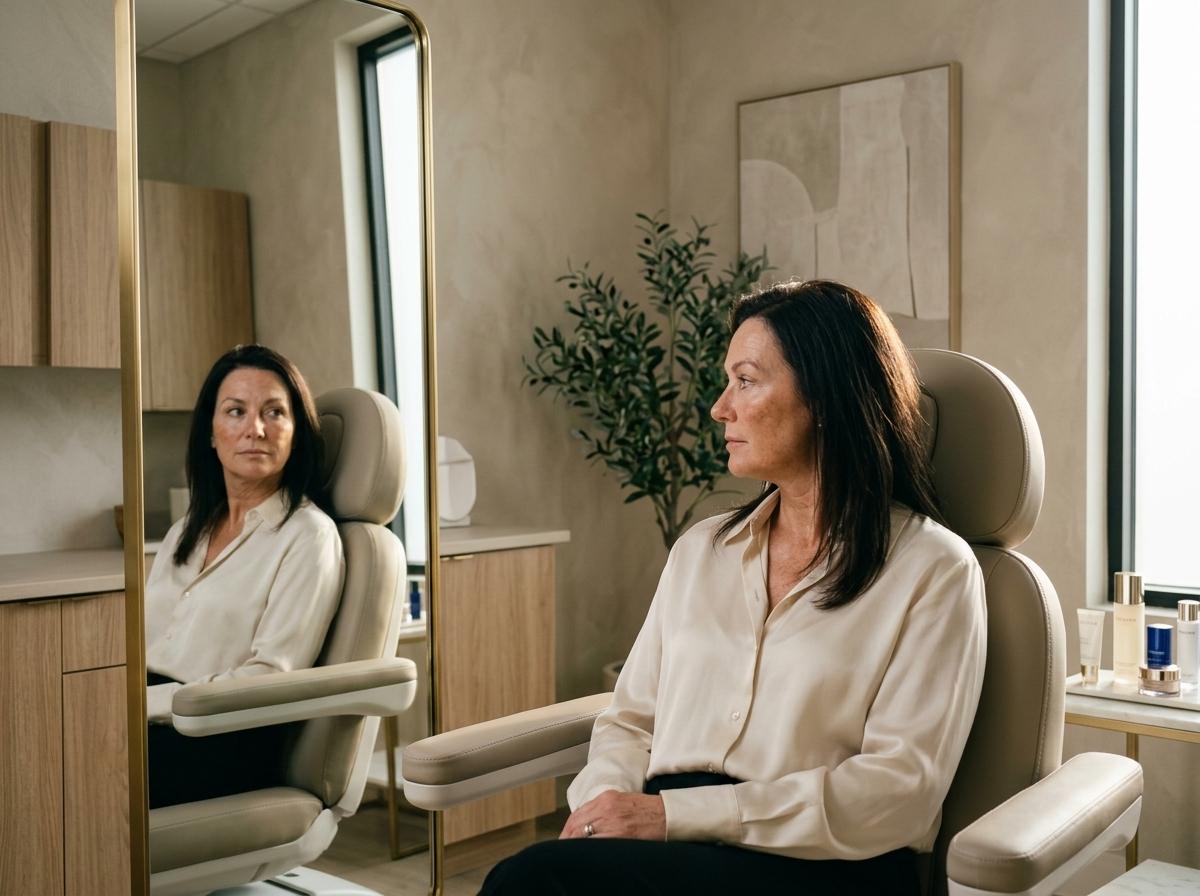
As summer draws to a close, you might find yourself noticing sun damage and pigmentation becoming more apparent. This can be surprising, so let’s explore why it happens.
Fade of Summer Tan
When the summer glow starts fading, it’s natural for your skin tone to lighten. This is when pigmentation like freckles or age spots might stand out more. The deeper summer tan can mask these spots, but as your tan fades, they become more visible. You might have enjoyed those long sun-filled days, but prolonged sun exposure can lead to these changes in your skin. Protecting your skin with SPF is key to maintaining an even tone.
The Science Behind Sun Damage
Sun damage occurs because UV rays penetrate the skin, leading to increased melanin production. This is your skin’s way of trying to protect itself, but it often results in uneven patches. Over time, repeated exposure accumulates, causing more noticeable spots. This process doesn’t just affect how your skin looks; it can impact its overall health. Wearing sunscreen daily is crucial in preventing further damage and keeping your skin smooth and healthy.
Safe Pigmentation Treatments

Addressing pigmentation safely is essential for achieving natural-looking results. Let’s look into what makes a treatment safe and effective.
Skin Assessment and Patch Test
Before diving into treatments like laser for pigmentation, a skin assessment is crucial. This evaluation helps in understanding your skin type and its specific needs. A patch test is equally important; it ensures that your skin responds well to the treatment without adverse reactions. By taking these steps, you set the foundation for a successful outcome, reducing the risk of irritation or worsening the pigmentation.
Laser Pigmentation Treatments
Laser treatments can be effective for reducing pigmentation. These options target melanin, breaking it down to even out skin tone. However, it’s vital to choose the right treatment for your skin type. Professional guidance ensures you get the most suitable option, avoiding unnecessary risks. Listening to your skin specialist will help you understand the expected results and the number of sessions needed for improvement.
Home Care for Sun Spots
Incorporating proper home care can enhance treatment results. Using products with ingredients like vitamin C can help to lighten sun spots gradually. Consistent use of SPF is non-negotiable, as it prevents further UV damage. Maintaining a skincare routine that supports your professional treatments ensures that your skin continues to heal and improve over time.
Achieving Natural-Looking Results
For a seamless complexion, achieving a natural look is often the goal. Here’s how to make that happen.
Importance of Professional Guidance
Professional advice is invaluable when it comes to treating pigmentation. Experts can tailor a plan that suits your skin’s unique needs, ensuring long-lasting results. Trusting a trained professional helps you avoid mistakes and get the most from your treatments. They guide you on what to expect and how to care for your skin afterward.
Tailored Plans for Skin Rejuvenation
Customised treatment plans are essential for skin rejuvenation. They consider your skin’s history and current condition to create a regimen that truly works. With a tailored plan, you can focus on restoring your skin’s natural balance, achieving an even tone, and reducing signs of aging. These plans often include a mix of professional procedures and targeted home care.
Embracing Autumn Skin Care
As the seasons change, so should your skincare routine. Autumn is a great time to focus on repair and protection. Incorporate hydrating serums and nourishing moisturisers to combat dryness. Regular exfoliation can also help in removing dead skin cells, promoting a brighter complexion. By adjusting your routine to the cooler months, you support your skin’s natural renewal process, helping it to look and feel its best.
Frequently Asked Questions
Why does pigmentation become more visible in autumn?
As your summer tan fades, the underlying pigmentation becomes more noticeable. This is because the tan often masks sun spots and uneven skin tone.
How can I safely treat pigmentation?
Start with a thorough skin assessment and patch test. This helps determine the best treatment for your skin type, minimizing risks and ensuring effective results.
What role does SPF play in managing pigmentation?
SPF is crucial in preventing further UV damage, which can worsen pigmentation. It protects your skin and supports the effectiveness of other treatments.