
Scar camouflage is often misunderstood, but its true power lies in what you don’t see. Through careful medical tattooing, we reduce the visual contrast that draws attention to scars, using precise skin colour matching and respect for undertones and healed tissue. This subtle approach brings natural-looking results that help you feel more confident in your skin without dramatic change. For more insights, explore this resource.
The Art of Scar Camouflage
Precision in Medical Tattooing
Scar camouflage uses medical tattooing to blend scars with the surrounding skin. This isn’t about a dramatic change but reducing the contrast that makes scars noticeable. The focus is on making scars less visible, so they don’t stand out.
Medical tattooing involves the use of pigments to match your skin tone. It’s a delicate process where precision is key. The goal is to carefully and accurately replicate the skin’s natural colour. This technique is a blend of art and science, requiring skilled hands and an eye for detail.
Many people wonder if this process is painful. The truth is, most find it manageable. A numbing cream is usually applied to ensure comfort. The results can be life-changing, offering a boost in confidence and self-esteem. If you’re considering this, remember that patience is essential, and the results, though subtle, are worth it.
Understanding Skin Colour Matching
Colour matching is crucial in scar camouflage. A perfect match ensures that the scar blends seamlessly with your skin. It involves selecting the right pigments and considering factors like skin undertones and healed tissue.
The process begins with a detailed examination of your skin. The practitioner will assess your skin’s undertones, which are the subtle hues beneath the surface. These could be warm, cool, or neutral. Understanding these undertones is key to choosing the right pigments.
Next, the healed tissue is examined. Scars can have different textures and colours. The practitioner takes this into account, ensuring the chosen pigments will work with the scar’s unique characteristics. This attention to detail is what makes the results so natural and effective.
Role of Undertones and Healed Tissue
Undertones play a significant role in achieving natural results. They are the subtle hues beneath the top layer of your skin, influencing its overall appearance. For example, a person might have a cool undertone, adding a blue or pink hue to their skin, or a warm undertone, which appears more golden or peachy.
Matching the tattoo pigments to these undertones is crucial. It ensures that the scar blends seamlessly with the surrounding skin. This step requires skill and a deep understanding of colour theory. The practitioner will carefully mix pigments to find the perfect match, considering both the visible skin tone and the underlying undertones.
Healed tissue adds another layer of complexity. Scars can vary in texture and colour depending on how they healed. Some might be lighter, others darker. The practitioner needs to consider these factors to ensure the pigment complements the healed tissue, resulting in a harmonious blend.
Techniques for Natural-Looking Results
Importance of Restraint in Tattooing
Restraint is essential in medical tattooing. The goal is to achieve subtlety. Overdoing it can result in an unnatural look. It’s about enhancing, not overpowering.
Exercising restraint means using the right amount of pigment. This requires a seasoned eye and a steady hand. By applying just enough pigment, the practitioner can ensure the scar fades into the background, becoming less noticeable. This subtle approach is what makes the tattooing so effective.
The process involves careful planning. The practitioner will assess the scar and the surrounding skin, determining the best approach. This might involve multiple sessions, gradually building up the colour to avoid a heavy-handed look. The outcome is a natural appearance that boosts your confidence.
Scar Blending for Subtle Integration
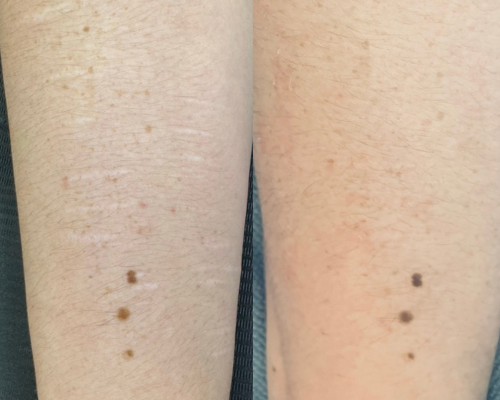
Scar blending is the art of integrating the scar with the surrounding skin. It’s all about making the scar less visible, ensuring it doesn’t stand out. This technique requires a delicate touch and an eye for detail.
The process starts with an assessment of the scar. The practitioner will look at its size, shape, and colour. Using this information, they will formulate a plan for blending. This might involve using different shades of pigment to match the surrounding skin.
The key is to be subtle. By carefully applying the pigments, the practitioner can ensure a seamless blend. The goal is to make the scar a less dominant feature, helping you feel more at ease with your appearance.
Shade Mapping and Patch Tests
Shade mapping and patch tests are crucial steps in the tattooing process. They ensure that the pigments used will match your skin perfectly, resulting in a natural look.
Shade mapping involves identifying the different colours present in your skin. The practitioner will use this information to select the right pigments. This step ensures that the final result will be harmonious, with the scar blending seamlessly into the surrounding skin.
Patch tests are conducted to ensure compatibility. A small area of skin is tattooed with the chosen pigment. This test helps determine if the pigment will work well with your skin, preventing any adverse reactions. It’s an essential step in ensuring safety and achieving the best results.
Building Trust and Confidence
The Consultation Process
The consultation process is where trust is built. It’s an opportunity to discuss your goals and expectations. This is where you can ask questions and learn about the procedure.
During the consultation, the practitioner will assess your skin and the scar. They’ll explain the process and what you can expect. This transparency helps build trust, ensuring you’re comfortable with the procedure.
The consultation is also a chance to discuss any concerns. Whether it’s about pain, healing, or the final result, the practitioner is there to reassure you. This open communication is key to a successful outcome.
Expertise in Llanover
Expertise is crucial when it comes to scar camouflage. In Llanover, our practitioner combines artistry with medical knowledge. This ensures the best results.
The practitioners in these areas are skilled in medical tattooing. They understand the nuances of skin colour and texture, ensuring a natural blend. Their expertise is reflected in their work, helping clients feel more confident in their skin.
If you’re considering scar camouflage, seeking out experienced practitioners is essential. Their knowledge and skill will ensure a successful outcome, enhancing your natural beauty and boosting your confidence.
Achieving Confidence in Your Skin
Achieving confidence in your skin is the ultimate goal. Scar camouflage can help you feel more comfortable in your appearance. It’s about subtle enhancement, not drastic change.
The process involves careful planning and execution. From shade mapping to the final application, every step is designed to ensure a natural result. This attention to detail is what makes the process so effective.
Confidence comes from knowing that your scars are less noticeable. This subtle change can have a significant impact on your self-esteem. With the right practitioner, you can achieve the confidence you’ve been seeking.
Frequently Asked Questions
What is medical tattooing for scar camouflage?
Medical tattooing for scar camouflage involves using pigments to blend scars with the surrounding skin. The goal is to make the scar less noticeable, enhancing your natural beauty and boosting your confidence.
How does skin colour matching work in scar camouflage?
Skin colour matching involves selecting pigments that match your skin’s tone and undertones. This ensures that the scar blends seamlessly with the surrounding skin, resulting in a natural look.
What is the role of undertones in scar camouflage?
Undertones are the subtle hues beneath the surface of your skin. They influence its overall appearance. Matching the tattoo pigments to these undertones is crucial for achieving a natural result.
Is the process of scar camouflage painful?
Most people find the process manageable. A numbing cream is usually applied to ensure comfort. The practitioner will discuss this with you during the consultation, addressing any concerns you may have.
Why is expertise important in scar camouflage?
Expertise ensures that the practitioner understands the nuances of skin colour and texture. This knowledge is crucial for achieving a natural blend, helping you feel more confident in your skin.