
Medical tattooing is often overlooked until a personal need arises. Whether it’s restoring the natural look of an areola after breast surgery, softening the appearance of scars, or addressing hair loss with scalp micropigmentation, this specialised treatment offers subtle, respectful results. With careful consultation and a focus on your comfort, medical tattooing can help you feel more yourself again. Let’s explore what this gentle, expert approach can do for you. Read more.
Understanding Medical Tattooing
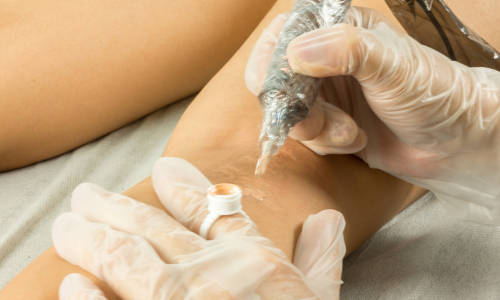
Medical tattooing opens possibilities for those seeking comfort in their own skin. It’s more than just ink; it’s a bridge to confidence and self-assurance. This section explains what medical tattooing involves and its significant impact on individuals’ lives.
What is Medical Tattooing?
Medical tattooing, sometimes called paramedical tattooing, is a specialised procedure that places pigment beneath the skin’s surface to enhance or restore natural features. This process uses advanced techniques and equipment to ensure precision and safety. The method involves using sterile needles and pigments matched closely to your skin tone, resulting in natural-looking results. Unlike traditional tattoos that often focus on decorative expression, medical tattooing serves restorative and corrective purposes.
The procedure can vary depending on the individual need, whether it’s scar camouflage or areola reconstruction tattoos. Each session is tailored to meet personal goals, ensuring that you feel comfortable and confident throughout the process. For those dealing with scars or changes in appearance after surgery or illness, this treatment offers a path to reclaiming your sense of self.
Common Uses and Benefits
Medical tattooing is versatile, offering solutions for various conditions. It’s frequently used for scar camouflage, helping to conceal scars from surgeries or injuries. This can significantly boost self-esteem, allowing individuals to feel more at ease in social and personal settings. Another common application is areola reconstruction, where tattoos recreate the natural look of the areola after breast surgery, which can be an empowering step in recovery.
Additionally, medical tattooing is effective in addressing hair loss through scalp micropigmentation. This technique creates the appearance of hair follicles, offering a fuller look for those experiencing thinning or balding. Each treatment is designed to provide long-lasting, realistic results, enhancing both physical appearance and personal confidence.
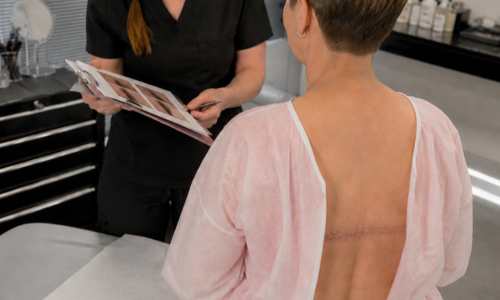
Restorative Confidence Solutions
The real magic of medical tattooing lies in its ability to restore confidence. Whether it’s through 3D areola tattoos or scalp micropigmentation, the aim is to help you feel more like yourself. These treatments are respectful of your body and your story, focusing on subtle enhancements that bring out your natural beauty.
People often think of tattoos as purely decorative, but medical tattooing shows how they can be deeply personal and transformative. It’s about feeling at home in your skin, knowing that the changes you see are aligned with how you want to be seen. For anyone navigating the changes that come with time, illness, or recovery, medical tattooing offers a reassuring path to self-assurance.
The Tattooing Process
Understanding the tattooing process is crucial for anyone considering this treatment. It’s designed with your safety and comfort in mind, ensuring natural-looking results that align with your expectations and needs.
Consulting with an Expert
A thorough consultation is the first step in the medical tattooing journey. During this session, your artist will listen to your concerns, discuss your goals, and create a personalised plan. This phase is all about understanding your needs and setting realistic expectations. You’ll have the opportunity to discuss any questions or concerns, ensuring you’re comfortable with the process.
It’s also during this time that colour matching is performed. The artist will carefully select pigments that complement your skin tone, ensuring a seamless and natural appearance. This meticulous attention to detail is what sets medical tattooing apart, as the goal is always to achieve results that look authentic and feel empowering.
Safety and Comfort Measures
Safety is paramount in every procedure. The process involves using sterile, single-use needles and high-quality pigments to minimise any risk. Topical numbing agents are applied to reduce discomfort, allowing for a more relaxed experience. The environment is controlled to ensure hygiene and comfort, with protocols in place to address any immediate concerns.
Your well-being is at the forefront of each session, and your artist will guide you through each step, making adjustments as needed to ensure you feel secure and informed. This attentive care helps ease any anxiety, making the experience as pleasant as possible.
Achieving Natural-Looking Results
Achieving natural-looking results is the ultimate goal of medical tattooing. The process is tailored to mimic the natural features of your skin, from tone to texture. This requires a skilled artist who understands both the art and science of tattooing.
Each treatment is unique, focusing on enhancing your natural beauty rather than altering it. Whether it’s restoring the look of an areola or creating the illusion of hair, the results are designed to blend seamlessly with your natural features. This approach ensures that the final outcome feels authentic and empowers you to embrace your appearance with confidence.
Who Can Benefit?
Medical tattooing is a viable option for a wide range of individuals. It offers specific solutions for those looking to restore their appearance and confidence in a safe and supportive environment.
Post-Surgery and Scar Care
Individuals who have undergone surgery, such as breast reconstruction, often seek medical tattooing to complete their recovery journey. Areola reconstruction tattoos provide a finishing touch that can be incredibly empowering. Scar camouflage is another option, helping to conceal scars from various surgeries or injuries, allowing you to move forward with confidence.
Hair Loss Confidence Solutions
For those experiencing hair loss, scalp micropigmentation offers a practical solution. This technique is well-suited for individuals dealing with thinning hair, bald spots, or conditions like alopecia. By creating the look of hair follicles, it provides a fuller appearance, boosting self-esteem and confidence in everyday life.
Tailored Treatments for Individual Needs
One of the greatest advantages of medical tattooing is its customisability. Treatments are tailored to meet your specific needs, ensuring that the results align with your personal goals. Whether you need a 3D areola tattoo or scalp micropigmentation, each session is designed to provide subtle, natural-looking enhancements that make a significant impact on your self-image.
Frequently Asked Questions
What is the recovery time for medical tattooing?
Recovery time varies, but most people can resume regular activities shortly after the procedure. Initial healing may take a few weeks, during which you’ll need to follow specific aftercare instructions.
Is medical tattooing painful?
While some discomfort is expected, topical numbing creams are used to minimise pain. Most clients report that the experience is tolerable and much less painful than they anticipated.
How long do the results last?
Results typically last between two to four years, depending on factors such as skin type, exposure to sunlight, and adherence to aftercare instructions. Maintenance sessions may be required to maintain optimal results.
Can anyone get medical tattooing?
Most people are suitable candidates, but it’s important to have a consultation to ensure you’re a good fit for the procedure. Certain health conditions and medications may affect your eligibility.
Are the results permanent?
Medical tattooing results are long-lasting but not permanent. The pigments will gradually fade over time, allowing for adjustments and updates as needed to maintain a natural look.