

Most weeks, I answer the same handful of questions about permanent makeup Kent clients trust for subtle enhancement and natural-looking results. You might wonder who is best suited for treatments like medical tattooing or scalp micropigmentation, or how laser tattoo removal works and what to expect. This guide shares clear, honest answers to those common concerns, helping you feel confident and informed before booking a consultation in Maidstone or Llanover. For more insights, check out this resource.
Common Queries about Permanent Makeup
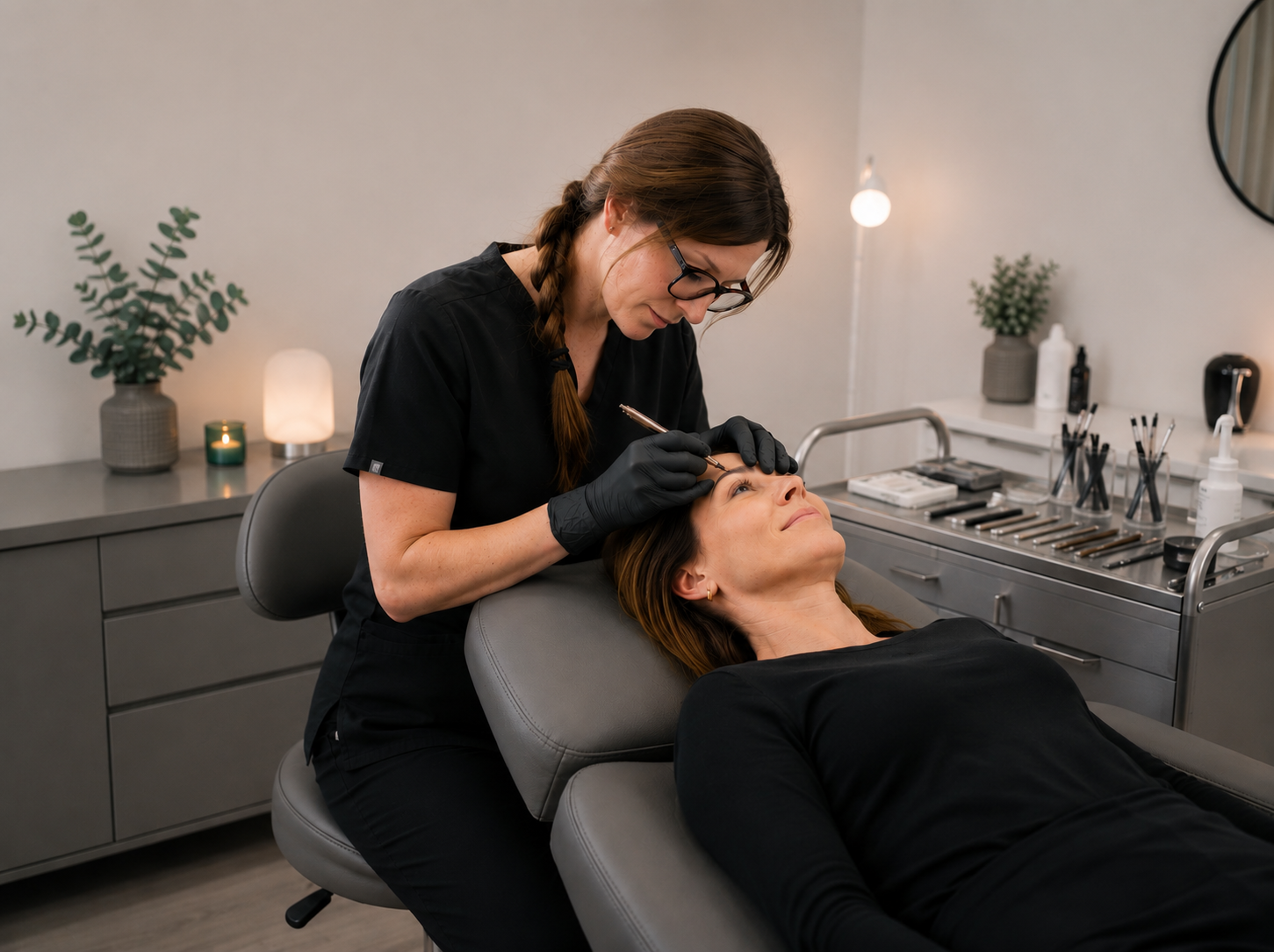
Permanent makeup isn’t just about looking good; it’s about feeling great in your own skin. Whether you’re curious about treatments or have specific questions, understanding the basics can help you make informed choices.
Natural-Looking Results for Mature Skin
One of the most common concerns is achieving natural-looking results, especially for mature skin. Permanent makeup can subtly enhance features without looking overdone. Using techniques tailored for mature skin, we focus on soft, natural hues that blend seamlessly with your complexion. Many over 40s find that permanent makeup offers a gentle way to restore definition that time may have softened, providing a confidence boost without drastic changes.
Personalising Colour and Shape
Customisation is key in permanent makeup. Each treatment is designed with your features in mind, ensuring the colour and shape complement your natural beauty. During the consultation, we’ll discuss your preferences and consider your skin tone, facial structure, and lifestyle to create a look that’s uniquely yours. This personal approach helps achieve a result that feels authentically you, rather than a one-size-fits-all solution.
Comfort Measures and Aftercare Advice
Safety and comfort are our top priorities. Treatments are designed to minimise discomfort, using numbing creams and gentle techniques. After your session, you’ll receive detailed aftercare advice to ensure smooth healing. This includes tips on what to avoid, like sun exposure and certain skincare products, to help maintain the results. Taking these aftercare steps seriously ensures your new look settles beautifully and lasts longer.
Medical Tattooing and Scalp Micropigmentation Insights
For those considering medical tattooing or scalp micropigmentation, understanding the process can ease any apprehension. These treatments offer more than aesthetic improvements; they can restore confidence for those who have experienced hair loss or medical conditions affecting their appearance.
Areola Tattoo Restoration and Scar Camouflage
Medical tattooing can play a significant role in recovery after surgery. Areola tattoo restoration and scar camouflage can help restore a sense of normalcy and confidence post-operation. Each procedure is tailored to blend with your natural skin tone, ensuring a discreet and realistic finish. Clients often express how these subtle changes significantly enhance their self-esteem and comfort in their bodies.
Blending Scalp Micropigmentation with Existing Hair
Scalp micropigmentation, or SMP, is an innovative way to address hair thinning or loss. By creating the appearance of fuller hair, SMP blends seamlessly with existing hair, offering a natural look. This treatment involves precise application of pigment to mimic hair follicles, making it ideal for both men and women seeking a low-maintenance solution to hair loss. The results can transform not just your appearance but your confidence too.
Hair Loss Confidence and SMP Abergavenny
In Abergavenny, SMP has become a popular choice for those facing hair loss. It’s more than just a cosmetic procedure; it’s a confidence restorer. Many clients report feeling more at ease in social settings, knowing their appearance matches how they feel inside. By choosing SMP, you’re opting for a long-term solution that respects your natural look while enhancing it.
Understanding Laser Tattoo Removal
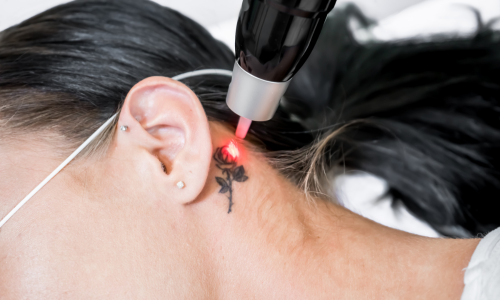
Laser tattoo removal is a precise method to alter or remove unwanted ink. It’s crucial to understand the process and what it entails to set realistic expectations.
Process and Number of Sessions
The laser tattoo removal process involves breaking down ink particles using laser technology. Depending on the tattoo’s age, size, and colour, you might need several sessions to achieve the desired outcome. On average, expect about 6 to 12 sessions spaced several weeks apart. This staged approach allows your skin to heal between treatments, ensuring the best results.
Importance of Spacing and Aftercare
Spacing sessions is vital for effective laser removal. Allowing time between treatments helps your body naturally eliminate ink particles. Aftercare is equally important; following guidelines on skin care post-treatment can prevent irritation and promote healing. It’s essential to keep the area clean and protected from the sun for the best results.
Choosing the Right Treatment for You
When considering laser tattoo removal in Kent or Abergavenny, selecting the right treatment is key. Evaluate factors like skin type, tattoo specifics, and desired outcomes. Consulting with a trusted professional can help tailor the process to your needs, ensuring safety and effectiveness. With the right guidance, you can confidently move forward with your tattoo removal journey.
Frequently Asked Questions
What is the main benefit of permanent makeup for mature skin?
Permanent makeup offers a subtle enhancement, restoring definition and creating a natural look, especially beneficial for mature skin by using gentle, age-appropriate techniques.
How does scalp micropigmentation differ from traditional hair restoration?
Scalp micropigmentation mimics hair follicles using pigment, providing an immediate appearance of fuller hair, unlike traditional methods that involve hair transplants or growth solutions.
How long does laser tattoo removal take to show results?
Results vary, but typically, noticeable fading occurs after a few sessions, with complete removal taking 6 to 12 sessions depending on the tattoo’s complexity and your skin type.
Is there discomfort associated with medical tattooing procedures?
While some clients may experience mild discomfort, numbing creams and gentle techniques are used to ensure the process is as comfortable as possible.
What are the aftercare steps for permanent makeup?
Aftercare involves keeping the area clean, avoiding sun exposure, and following specific skincare guidelines to promote healing and maintain results.